
Common Signs You Need Water Tank Repair or Refurbishment
- November 26, 2025
- Water Tank, Water Tank Repair, Service & Refurbishment
A water tank is one of the most important components in any building’s water supply system. Whether it’s a rooftop tank for a home, a large concrete reservoir for a commercial property, or an underground storage system for industrial use, the tank must stay in good working condition to deliver safe, consistent, and clean water. But like any structure, water tanks degrade over time. Materials weaken, fittings loosen, cracks form, and biological contaminants may take over. Ignoring these early signs can lead to serious problems, including water contamination, costly repairs, and in severe cases, complete tank failure.
This article explains the most common signs that indicate your water tank needs repair or refurbishment, why these issues matter, and what steps you should take if you notice any of them.
1. Visible Cracks, Leaks, or Structural Damage
One of the most obvious signs that a water tank needs attention is physical damage.
- Cracks or fractures in concrete or fiberglass tanks can compromise structural integrity.
- Leaks often appear as damp patches around the tank base or water pooling nearby.
- Rust and corrosion in steel tanks weaken the walls and can lead to sudden ruptures.
Structural damage not only reduces the tank’s lifespan but also poses safety hazards. A leaking tank wastes water, increases utility costs, and may damage surrounding infrastructure.
2. Discolored or Contaminated Water
Water quality is a direct reflection of tank condition. If you notice a change in the appearance, taste, or smell of your water, that’s a warning sign.
- Brown or reddish colored water often indicates rust in a steel tank.
- Cloudy or murky water may suggest sediment buildup or microbial growth.
- Unpleasant odors can result from stagnant water or bacterial contamination.
For facilities such as hospitals, schools, and food processing plants, contaminated water is unacceptable and can result in regulatory penalties. Regular testing and inspections are crucial to detect these issues early.
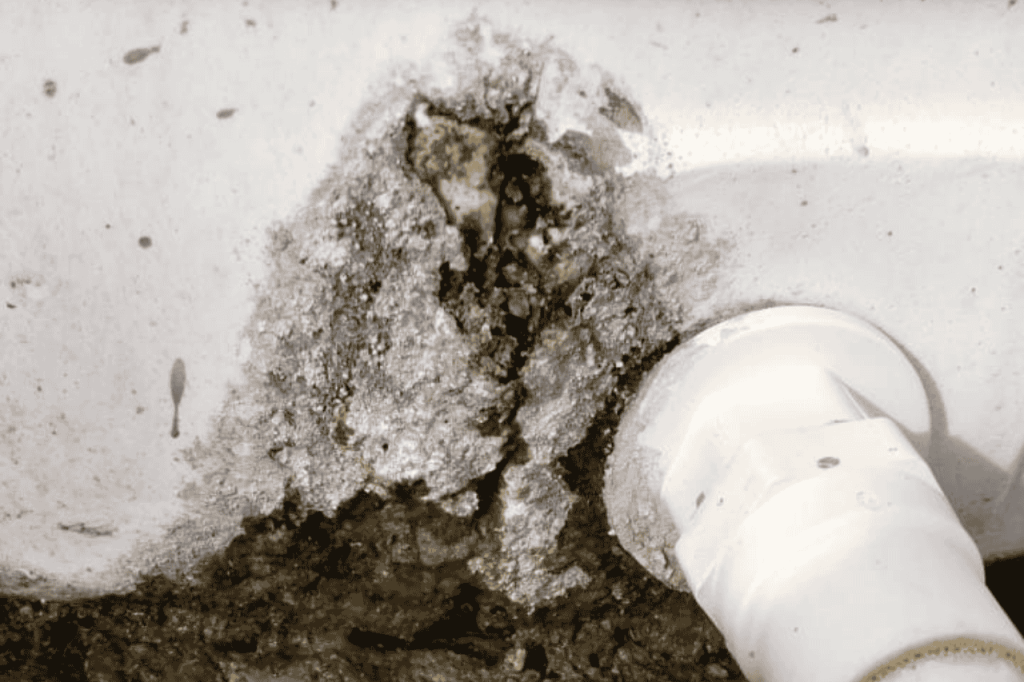
3. Excessive Sediment or Sludge Accumulation
Over time, minerals, dirt, and organic matter settle at the bottom of tanks. While some sediment is normal, excessive buildup signals poor maintenance or internal deterioration.
- Sediment reduces effective storage capacity.
- It clogs pipes, pumps, and filters, leading to operational inefficiencies.
- Sludge provides a breeding ground for bacteria, including harmful pathogens.
If sediment levels are high, refurbishment may involve cleaning, recoating, or installing protective linings to prevent further contamination.
4. Frequent Repairs or Maintenance Issues
A water tank that constantly requires patchwork repairs is a clear candidate for refurbishment.
- Recurrent leaks, valve replacement, or pump failure indicate an underlying structural problem.
- Rising maintenance costs often exceed the expense of a one-time refurbishment.
- Persistent issues may indicate that the tank material has reached the end of its service life.
Instead of spending on recurring fixes, a comprehensive refurbishment can restore performance and reduce long-term costs.
5. Corrosion and Rusting (Steel Tanks)
Steel tanks are durable but vulnerable to corrosion, particularly in humid climates like Malaysia.
- Surface rust may seem minor, but it can quickly spread.
- Pitting corrosion weakens tank walls and can cause sudden leaks.
- Corroded joints or seams compromise structural stability.
Refurbishment options include sandblasting, applying anti-corrosion coatings, or installing internal liners. Replacement can be cost-effective in severe situations.
6. Aging Tanks Beyond Their Service Life
Every water tank has a recommended lifespan, depending on the material and usage.
- Steel tanks: 20–30 years with proper maintenance.
- Fiberglass/FRP tanks: 25–35 years.
- Concrete tanks: 30–50 years, though cracks often appear earlier.
If your tank is approaching or exceeding its expected service life, refurbishment or replacement is advisable. Aging tanks are more prone to leaks, contamination, and structural failure.
Clean & Healthy Water Starts with Professional Water Tank Service
7. Poor Water Pressure or Flow Issues
Declining water pressure can indicate internal tank problems.
- Sediment buildup restricts flow.
- Corroded pipes or fittings reduce efficiency.
- Structural damage may cause uneven distribution.
If water pressure issues persist despite pump maintenance, the tank itself may require repair or refurbishment.
8. Algae or Microbial Growth
Algae thrive in tanks exposed to sunlight or with poor sealing. Microbial growth, including bacteria, can occur in stagnant or contaminated water.
- A greenish tint in water suggests the presence.
- Biofilm layers inside tanks harbor harmful microorganisms.
- Health risks include gastrointestinal illnesses and skin infections.
Renovations may involve UV-resistant coatings, better sealing, or a disinfection system to prevent recurrence.
9. Unusual Noises or Structural Instability
Water tanks should operate silently. If you hear creaking, popping, or vibration noises, it could mean:
- Structural stress due to cracks or weakened joints.
- Pressure imbalances caused by sediment or blockages.
- Loose fittings or unstable foundations.
Ignoring these signs risks sudden tank failure, which can be catastrophic in large facilities.
10. Rising Operational Costs
A deteriorating tank often leads to hidden expenses:
- Increased water bills due to leaks.
- Higher energy costs from inefficient pumps.
- Frequent maintenance and downtime.
Refurbishment restores efficiency, reduces waste, and extends tank lifespan, offering better ROI for facility managers.
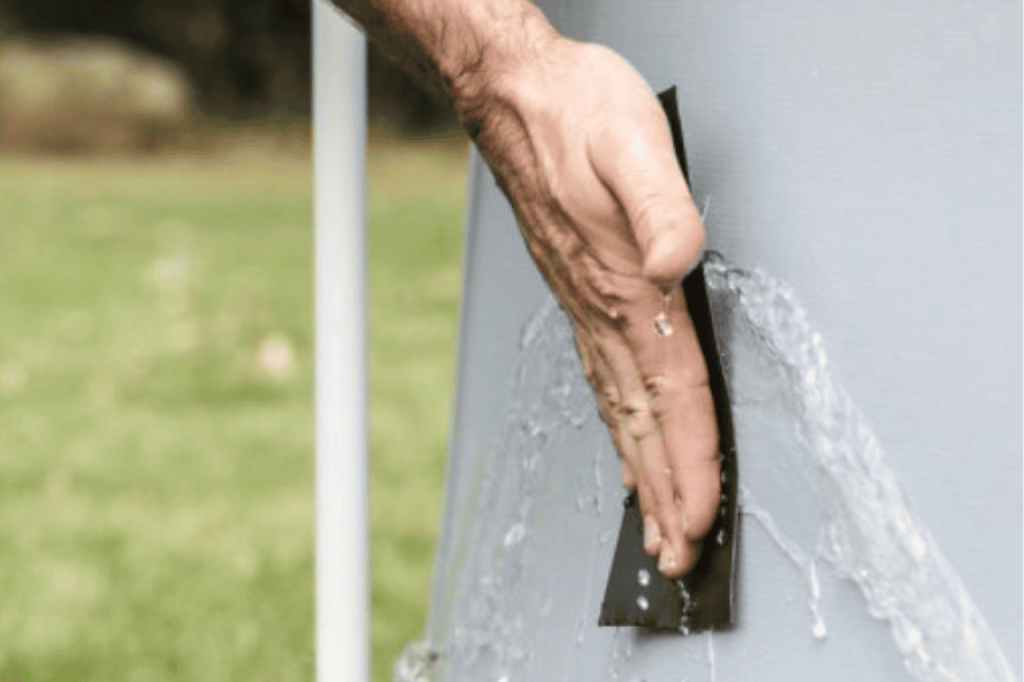
11. Visible Wear on Protective Coatings or Linings
Many tanks rely on internal coatings or linings to prevent corrosion and contamination.
- Peeling, blistering, or cracking coatings expose the tank material to damage.
- Worn-out layers reduce water quality and accelerate deterioration.
- Renovation involves re-coating or resurfacing to restore protection.
This preventive measure extends tank life and ensures safe water storage.
Why Timely Tank Repair Matters
Delaying repairs can lead to:
- Complete tank collapse
- Costly water damage to building structures
- Major water contamination
- Higher utility bills from water loss
- Emergency replacement instead of planned refurbishment
Repairing issues early is far cheaper than replacing an entire system.
When to Consider Refurbishment Instead of Repair
Refurbishment is recommended when:
- Damage is widespread
- The tank is over 10–15 years old
- Repairs are becoming frequent
- Internal coatings are worn out
- Structural integrity is compromised
Refurbishment may include re-coating, lining replacement, structural reinforcement, valve upgrades, and leak-proofing—effectively giving the tank a second life.
Practical Steps for Facility Managers
If you notice any of the above signs, consider these steps:
- Schedule a professional inspection to assess the tank condition.
- Compare costs of repair vs. refurbishment vs. replacement.
- Implement preventive maintenance such as regular cleaning, coating, and water testing.
- Document compliance to meet regulatory requirements.
- Engage certified contractors familiar with Malaysian standards for refurbishment projects.
Conclusion
Water tanks are vital infrastructure, but they are not immune to wear and tear. From leaks and corrosion to contamination and compliance risks, the signs of deterioration are often visible long before catastrophic failure occurs.
By recognizing these warning signals—such as discolored water, sediment buildup, corrosion, or aging tanks—facility managers and homeowners can take timely action. Repair or refurbishment not only restores functionality but also ensures safety, efficiency, and compliance with Malaysian standards.
Ultimately, proactive maintenance and refurbishment are investments in reliability, cost savings, and peace of mind. A well-maintained water tank safeguards both your property and the people who depend on it.