
A Complete Building’s Water Tank Maintenance Checklist for 2025
- November 27, 2025
- Water Tank, Water Tank Repair, Service & Refurbishment
Water tanks are the backbone of every building’s water system. They store and supply water for daily use, from drinking and cooking to cleaning, sanitation, and fire safety systems. In Malaysia, where both residential and commercial properties rely heavily on stored water due to intermittent supply, ensuring the water tank is properly maintained is more critical than ever. Neglecting maintenance can lead to health risks, unpleasant water taste, system inefficiency, and costly repairs.
As we step into 2025, having a comprehensive water tank maintenance checklist is essential for building managers, homeowners, and facility operators. This article provides a comprehensive guide to maintaining your water tank clean, functional, and safe throughout the year.
Why Water Tank Maintenance Is Important
Regular maintenance of a water tank is more than just cleaning. Here’s why it matters:
- Water quality protection: Standing water is prone to contamination from sediment, algae, bacteria, and other microorganisms. Proper maintenance ensures the water remains safe for consumption.
- Structural integrity: Over time, tanks can develop cracks, leaks, or rust. Maintenance helps identify these issues before they become severe.
- Efficient water flow: Sediment and scale buildup can block outlets, filters, and pumps. Regular upkeep keeps water flowing smoothly.
- Extended lifespan: Routine inspections, cleaning, and minor repairs prevent premature tank replacement.
- Compliance with regulations: Many commercial and multi-storey buildings in Malaysia are required to follow local guidelines for potable water storage.
Key Components of a Water Tank Maintenance Checklist
A thorough checklist covers inspection, cleaning, repair, and monitoring. Below are the key areas to focus on in 2025.
1. Inspection
Before any cleaning or repair, conduct a detailed inspection of the water tank.
Checklist items:
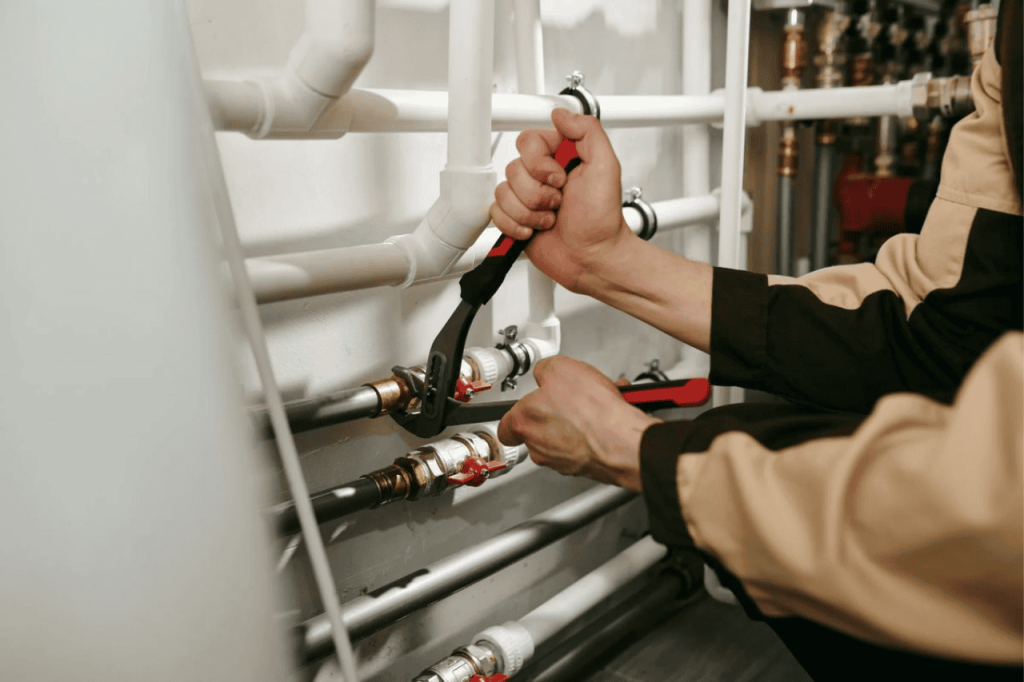
- Check for visible cracks, leaks, or corrosion in the tank walls and joints.
- Examine valves, inlet/outlet pipes, and overflow points for damage or blockage.
- Inspect lids and access hatches to ensure they are secure and pest-proof.
- Look for biofilm, algae, or mold growth inside the tank.
- Check the tank’s support structure (rooftop mounts, brackets, or stands) for signs of weakness.
- Review the history of previous maintenance, including cleaning dates, repairs, and inspections.
Tip: For multi-storey buildings, access points should be checked for safety and proper sealing.
2. Cleaning
Cleaning removes accumulated debris, sediment, and microorganisms. For 2025, consider these steps:
Checklist items:
- Drain the tank completely before cleaning.
- Remove loose debris using manual scooping, vacuuming, or pumping systems.
- Scrub tank walls and floors to eliminate biofilm, algae, and sediment buildup.
- Rinse thoroughly to remove detached dirt and chemicals.
- Use approved disinfectants (commonly chlorine-based) to sanitize the tank.
- Allow the disinfectant to contact surfaces for the recommended duration before flushing.
Frequency:
- Residential tanks: at least once every 6–12 months
- Commercial/high-use tanks: every 3–6 months
Pro tip: Always hire a professional cleaning service for large or complex tanks to ensure safety and compliance.
3. Repair and Refurbishment
Cleaning may reveal damage requiring repair. Even minor issues can escalate if left unattended.
Checklist items:
- Seal cracks or leaks in concrete or plastic tanks.
- Replace worn-out rubber seals or gaskets on valves and hatches.
- Treat rust or corrosion in metal tanks with anti-corrosion coatings.
- Upgrade inlet and outlet screens to prevent debris entry.
- Recoat or reliner tanks if internal surfaces are degraded.
Tip: If repairs are frequent or damage is widespread, consider full refurbishment to extend the tank’s lifespan.
Clean & Healthy Water Starts with Professional Water Tank Service
4. Monitoring and Water Quality Testing
Maintaining water quality is just as important as physical upkeep.
Checklist items:
- Regularly check water clarity, taste, and odor.
- Monitor for sudden drops in pressure or flow, which could indicate blockages or leaks.
- Take water samples for microbial testing, especially in commercial or multi-storey buildings.
- Ensure chlorine levels and other disinfectants are within safe limits after cleaning.
- Maintain a logbook of inspections, cleaning, repairs, and water testing results.
Tip: Installing water quality sensors or remote monitoring systems can help detect contamination or abnormal conditions early.
5. Pest and Contamination Prevention
Pests and external contaminants are common in tropical climates like Malaysia.
Checklist items:
- Ensure all tank lids and access hatches are tightly sealed.
- Install mesh screens on inlets, outlets, and overflow pipes.
- Trim nearby trees or vegetation to prevent leaves and debris from entering the tank.
- Check for signs of rodents, insects or small animals and take preventive measures.
- Ensure the surrounding area is clean, dry, and free from stagnant water.
Tip: Routine inspections after heavy rain or storms are essential to prevent contamination.
6. Seasonal Considerations
Certain times of the year require extra attention:
- Rainy season: Check for overflowing or blocked outlets, which can allow debris or contaminated water in.
- Dry season: Inspect for cracks due to shrinking materials or pressure fluctuations.
- Hot weather: Algae growth may accelerate; more frequent cleaning might be necessary.
Tip: Adjust maintenance schedules based on local climate conditions.
7. Documentation and Compliance
Keeping proper records ensures accountability and compliance:
Checklist items:
- Maintain a log of cleaning, inspections, and repairs.
- Store water quality test results for reference and regulatory compliance.
- Keep service contracts and invoices from professional cleaning providers.
- Review local building regulations and guidelines to ensure compliance.
Tip: In commercial buildings, this documentation may be required for health inspections and insurance purposes.
8. Staff Training and Safety
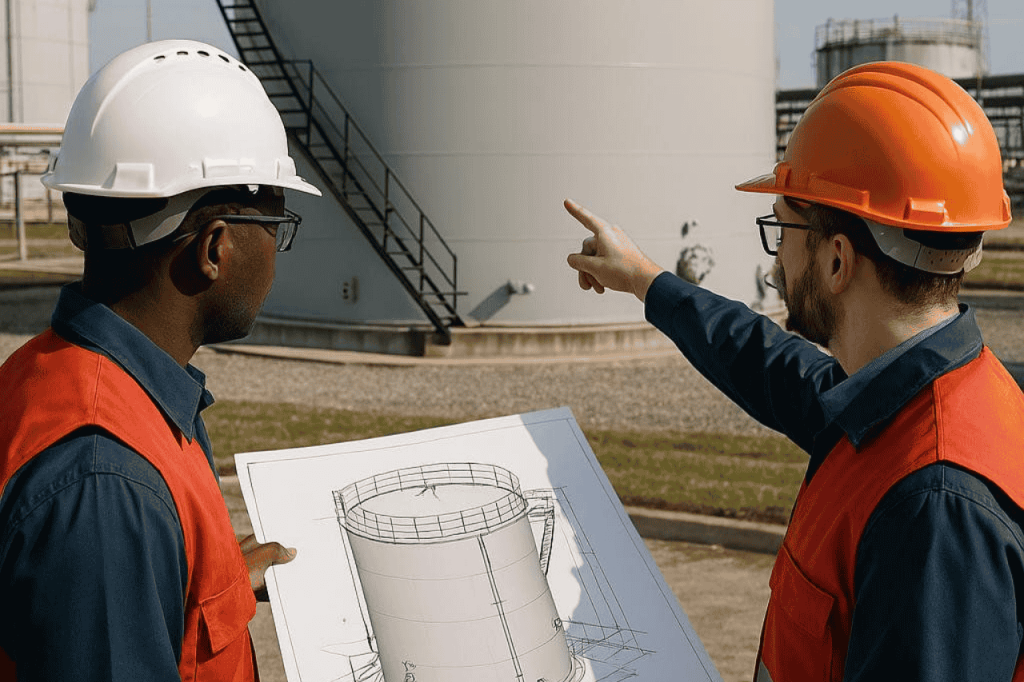
Water tank maintenance involves confined spaces, chemicals, and heavy equipment. Staff should be trained:
Checklist items:
- Proper use of personal protective equipment (PPE)
- Safe confined space entry and exit procedures
- Correct handling and disposal of disinfectants and debris
- Emergency procedures for leaks, spills, or accidents
Tip: Hiring certified professionals is recommended for larger tanks or high-risk situations.
9. Upgrade and Modernization Opportunities
As 2025 brings new technologies, consider incorporating upgrades:
- Water level sensors for real-time monitoring
- Remote water quality monitoring
- Automated filtration systems to reduce sediment accumulation
- UV or advanced disinfection systems for microbial control
Tip: Modernizing your tank can reduce manual maintenance and improve water safety long-term.
Conclusion
Water tank maintenance is no longer optional—it’s a critical part of ensuring clean, safe, and reliable water for your building. A comprehensive checklist like this ensures you address inspection, cleaning, repairs, monitoring, pest prevention, seasonal considerations, compliance, staff safety, and modernization.
By following this checklist in 2025, building managers, homeowners, and facility operators can prevent water contamination, reduce costly emergency repairs, and extend the life of their water storage systems. Regular attention not only safeguards water quality but also protects the health and convenience of everyone who relies on your water supply.
Remember: a clean, well-maintained water tank is a small investment with a big payoff in safety, efficiency, and peace of mind.