
The Importance of Regular Commercial Water Tank Cleaning in Businesses
- December 15, 2025
- Water Tank, Water Tank Cleaning
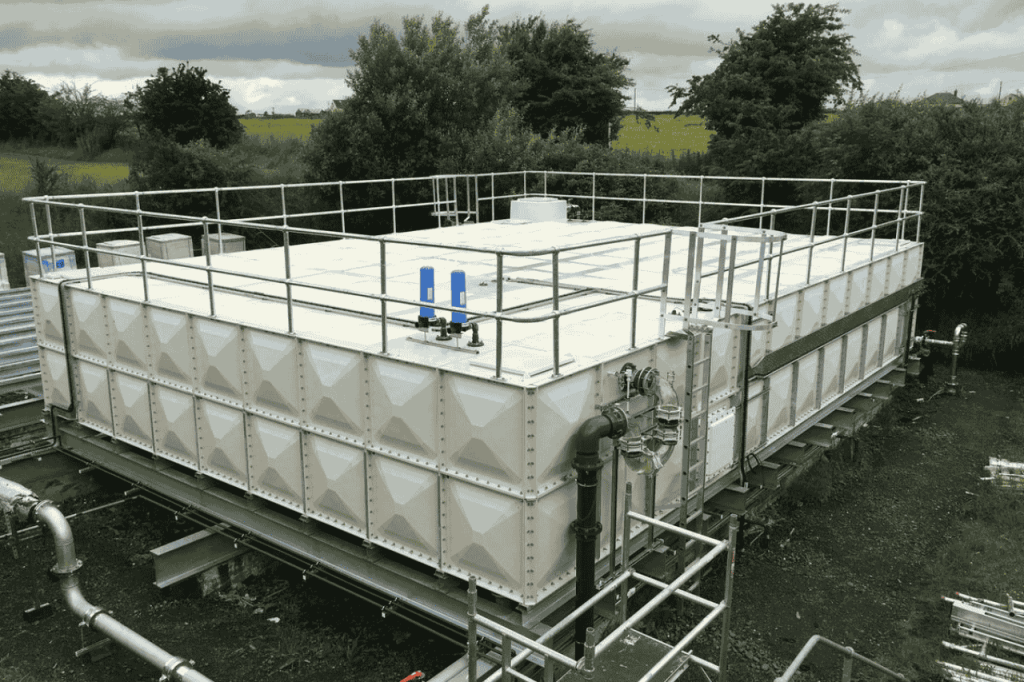
Water is one of the most essential resources for any business, whether it’s a restaurant, office building, hotel, or industrial facility. The quality of water not only affects daily operations but also impacts health, safety, and the business’s reputation. Commercial water tanks, which store large volumes of water, are critical to ensuring a consistent supply. However, without proper maintenance, these tanks can become breeding grounds for bacteria, algae, and other contaminants. Regular commercial water tank cleaning is not just a precaution—it is a necessity for businesses that prioritize hygiene, operational efficiency, and compliance with health regulations.
This article explores why regular commercial water tank cleaning is crucial and outlines best practices for maintaining safe and clean water in business operations.
1. Ensures Safe and Healthy Water Supply
The primary reason businesses need regular water tank cleaning is to ensure a safe and healthy water supply for employees, customers, and visitors. Commercial water tanks often hold water for extended periods, creating an environment conducive to sediment accumulation, algae growth, and bacterial contamination.
Common Contaminants in Commercial Water Tanks:
- Sediment and dirt: Dust, debris, and particles from plumbing or the surrounding environment settle at the bottom of the tank.
- Algae: Exposure to sunlight can cause algae growth, affecting the taste, smell, and clarity of the water.
- Bacteria and pathogens: Without regular cleaning, harmful microorganisms such as Legionella, E. coli, and Salmonella can thrive.
Impact on Businesses:
Unsafe water can lead to health issues among employees and customers, including gastrointestinal infections and skin irritations. For businesses in the food and beverage, hospitality, or healthcare industries, contaminated water can result in legal liability, fines, and reputational damage. Regular cleaning prevents these risks and ensures compliance with health and safety standards.
2. Protects Equipment and Reduces Maintenance Costs
Commercial water tanks supply water to various equipment, including HVAC systems, boilers, cooling towers, and kitchen appliances. Dirty water with sediments and scale can damage these systems, resulting in inefficiency and costly repairs.
Why Equipment Protection Matters:
- Prevent clogging and scaling: Sediment and mineral deposits can accumulate in pipes and appliances, reducing efficiency and increasing energy consumption.
- Extend equipment lifespan: Clean water prevents corrosion and wear, extending the operational life of pumps, boilers, and plumbing systems.
- Reduce downtime: Regular water tank cleaning reduces the likelihood of equipment failures that disrupt business operations.
Investing in routine commercial water tank cleaning is a cost-effective way to maintain operational efficiency and avoid unexpected maintenance expenses.
3. Compliance with Health and Safety Regulations
Many countries have strict regulations regarding water hygiene and storage, especially for businesses serving the public. Regular commercial water tank cleaning is often a regulatory requirement to ensure water safety.
Key Regulations and Standards:
- Food and beverage industry: Water used in food preparation must meet strict sanitary standards. Regular tank cleaning prevents bacterial contamination that could compromise food safety.
- Healthcare facilities: Hospitals and clinics must ensure water is free from pathogens to prevent hospital-acquired infections.
- Building codes: Commercial buildings are often required to maintain water tanks in accordance with local regulations, including periodic cleaning and disinfection.
Failure to comply with these regulations can result in fines, legal liabilities, and business closure. Routine cleaning demonstrates due diligence and commitment to public safety.
Clean & Healthy Water Starts with Professional Water Tank Service
4. Prevents Algae and Biofilm Growth
Algae and biofilms are common problems in commercial water tanks. Biofilms are layers of bacteria that attach to the walls and surfaces of the tank, creating a protective environment where microorganisms can thrive.
Problems Caused by Algae and Biofilms:
- Water discoloration and odor: Algae can turn water green or cloudy and cause unpleasant odors, affecting its usability.
- Health risks: Biofilms protect harmful bacteria, increasing the risk of waterborne diseases.
- Equipment damage: Biofilms can accelerate corrosion and clog valves, filters, and pipes.
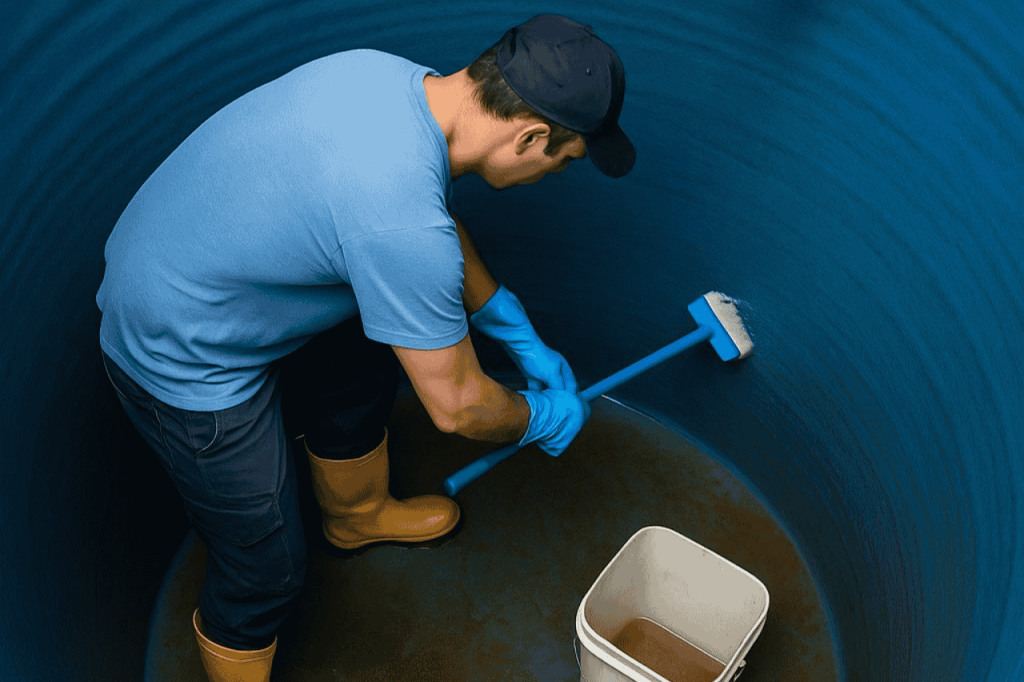
Regular cleaning disrupts biofilm formation and removes algae before it becomes a significant issue. Professionals often use mechanical scrubbing combined with safe disinfectants to ensure thorough removal.
5. Enhances Business Reputation
Clean water reflects a business’s commitment to hygiene and professionalism. In industries such as hospitality, food services, healthcare, and offices with client interactions, maintaining high water quality is crucial for reputation management.
Impact on Customer Perception:
- Food and beverage businesses: Customers notice water quality through taste, clarity, and safety. Contaminated water can lead to negative reviews and loss of trust.
- Hotels and resorts: Guests expect clean water for drinking, bathing, and swimming pools. Regular maintenance enhances guest satisfaction and loyalty.
- Offices and commercial spaces: Employees and visitors rely on safe drinking water. Providing clean water shows that the company values well-being and hygiene.
By investing in regular water tank cleaning, businesses signal that they prioritize health, quality, and safety, which can differentiate them from competitors.
Best Practices for Commercial Water Tank Cleaning
To achieve efficient and effective cleaning, businesses should follow best practices:
- Establish a Cleaning Schedule:
- Conduct inspections and cleaning at least twice a year or more frequently if water quality issues arise.
- Adjust schedules based on tank size, usage, and environmental conditions.
- Hire Professional Services:
- Commercial water tanks can be large and complex. Professional cleaners have the equipment, expertise, and safety protocols to ensure thorough cleaning and disinfection.
- Inspect and Maintain Tank Infrastructure:
- Check for leaks, corrosion, cracks, and damaged fittings during cleaning.
- Repair issues promptly to prevent contamination and water loss.
- Use Safe Cleaning Solutions:
- Use certified disinfectants such as chlorine-based solutions that effectively remove bacteria and algae without leaving harmful residues.
- Monitor Water Quality:
- Test water regularly for pH, turbidity, bacterial content, and chemical contamination.
- Implement corrective measures if any parameters are outside safe limits.
- Document Cleaning and Maintenance:
- Keep records of cleaning schedules, inspections, and any repairs. This documentation is useful for regulatory compliance, audits, and property management.
Conclusion
Regular commercial water tank cleaning is more than just a maintenance task—it is an essential investment in health, safety, operational efficiency, and business reputation. Neglecting water tank hygiene can lead to contaminated water, equipment damage, regulatory violations, and loss of customer trust.
Businesses that adopt a proactive approach to water tank maintenance enjoy numerous benefits, including safe water for employees and customers, reduced equipment costs, compliance with regulations, and enhanced public perception. By establishing a cleaning schedule, hiring professional services, using safe disinfectants, and monitoring water quality, companies can ensure their water supply remains safe, clean, and reliable.
In today’s competitive business environment, maintaining a clean and safe water system demonstrates professionalism and a commitment to quality. Regular commercial water tank cleaning is an investment that protects both people and business assets, ensuring long-term success and operational excellence.