
Signs Your Property Needs Immediate Water Tank Cleaning in Malaysia
- April 7, 2026
- Water Tank, Water Tank Cleaning
Clean water is essential for every property, whether residential, commercial, or industrial. In Malaysia, water tanks play a crucial role in storing and supplying water for daily use. However, due to the tropical climate, high humidity, and frequent rainfall, water tanks can quickly accumulate dirt, algae, bacteria, and other contaminants if not properly maintained. Regular water tank cleaning in Malaysia is vital to prevent these issues, as neglecting it can lead to serious health risks, unpleasant odors, and costly system damage. Recognizing the warning signs that your water tank requires immediate cleaning ensures timely action and a safe, reliable water supply.
Why Water Tank Cleaning Is Important in Malaysia
Water tanks are often out of sight, which makes them easy to overlook. However, they are constantly exposed to environmental factors like dust, debris, and microorganisms. Over time, sediment and biofilm can build up inside the tank, compromising water quality.
In Malaysia’s warm climate, bacteria and algae thrive rapidly, making regular cleaning even more critical. Without proper maintenance, contaminated water can affect drinking, cooking, bathing, and even damage plumbing systems.
Key Signs Your Water Tank Needs Immediate Cleaning
Here are the most common indicators that your property’s water tank requires urgent cleaning:
1. Discolored or Murky Water
One of the most obvious signs is a change in water color.
- Water appears brown, yellow, or cloudy
- Presence of visible particles or sediment
- Rust-like coloration indicating corrosion or buildup
What it means:
Discoloration typically signals a buildup of sediment, rust, or microbial contamination within the tank, indicating that the water quality has been compromised and immediate cleaning is necessary.
2. Unpleasant Odor or Taste
Clean water should be odorless and tasteless. If you notice otherwise:
- Musty or earthy smell
- Rotten or sulfur-like odor
- Strange or metallic taste
What it means:
These odors usually indicate bacterial buildup, stagnant water conditions, or decomposing organic matter within the tank.
3. Slime or Algae Growth
Malaysia’s climate creates ideal conditions for algae growth.
- Green or black slime on tank walls
- Slimy texture in water
- Visible algae floating in the tank
What it means:
Algae not only affects water quality but also encourages bacterial growth, making the water unsafe for use.
4. Sediment Build-Up at the Bottom
Over time, particles settle at the bottom of the tank.
- Sand, dirt, or debris accumulation
- Reduced water clarity
- Increased turbidity
What it means:
Sediment buildup can harbor bacteria and reduce tank capacity, affecting water flow and pressure.
5. Low Water Pressure
A sudden drop in water pressure can indicate internal tank issues.
- Inconsistent water flow
- Weak pressure in taps and showers
- Blockages in pipes or outlets
What it means:
Sediment and debris can clog outlets and pipes, restricting water flow and requiring immediate cleaning.
6. Presence of Insects or Small Organisms
Finding insects or larvae in your water is a serious concern.
- Mosquito larvae in stored water
- Dead insects floating inside the tank
- Entry points or damaged tank covers
What it means:
An unsealed or dirty tank can become a breeding ground for pests, posing health risks.
7. Rust and Corrosion
Older tanks, especially those made of metal, are prone to rust.
- Rust flakes in water
- Corroded tank surfaces
- Metallic smell
What it means:
Corrosion not only contaminates water but also weakens the tank structure, increasing the risk of leaks.
8. Frequent Plumbing Issues
Recurring plumbing problems may point to a dirty tank.
- Clogged pipes and fixtures
- Damaged pumps or valves
- Increased maintenance costs
What it means:
Dirty water accelerates wear and tear on plumbing systems, leading to frequent repairs.
9. Waterborne Illness Symptoms
Health issues among occupants can be linked to contaminated water.
- Stomach discomfort or diarrhea
- Skin irritation after bathing
- Unexplained allergies
What it means:
Bacteria and pathogens in unclean water tanks can cause serious health problems, especially for children and elderly individuals.
10. Long Gaps Since Last Cleaning
If you cannot remember the last time your tank was cleaned, it is likely overdue for a cleaning.
- No maintenance records
- More than 6–12 months since last cleaning
- Increased reliance on stored water
What it means:
Regular cleaning is essential to prevent contamination and maintain water quality.
Clean & Healthy Water Starts with Professional Water Tank Service
Risks of Ignoring Water Tank Cleaning
Failing to address these warning signs can lead to severe consequences:
- Health hazards: Exposure to harmful bacteria and pathogens
- System damage: Blockages, corrosion, and reduced lifespan of tanks
- Higher costs: Expensive repairs and increased water bills
- Poor water quality: Unsafe water for daily use
Recommended Water Tank Cleaning Frequency in Malaysia
To maintain optimal water quality, follow these general guidelines:
- Residential properties: Every 6 months
- Commercial buildings: Every 3–6 months
- Industrial facilities: Based on usage and regulations
Regular inspections should also be conducted to detect early signs of contamination.
Benefits of Immediate Water Tank Cleaning
Taking prompt action offers several advantages:
- Ensures a clean and safe water supply
- Improves water taste and odor
- Prevents costly plumbing repairs
- Extends the lifespan of your tank
- Enhances overall hygiene and health
Professional vs DIY Cleaning
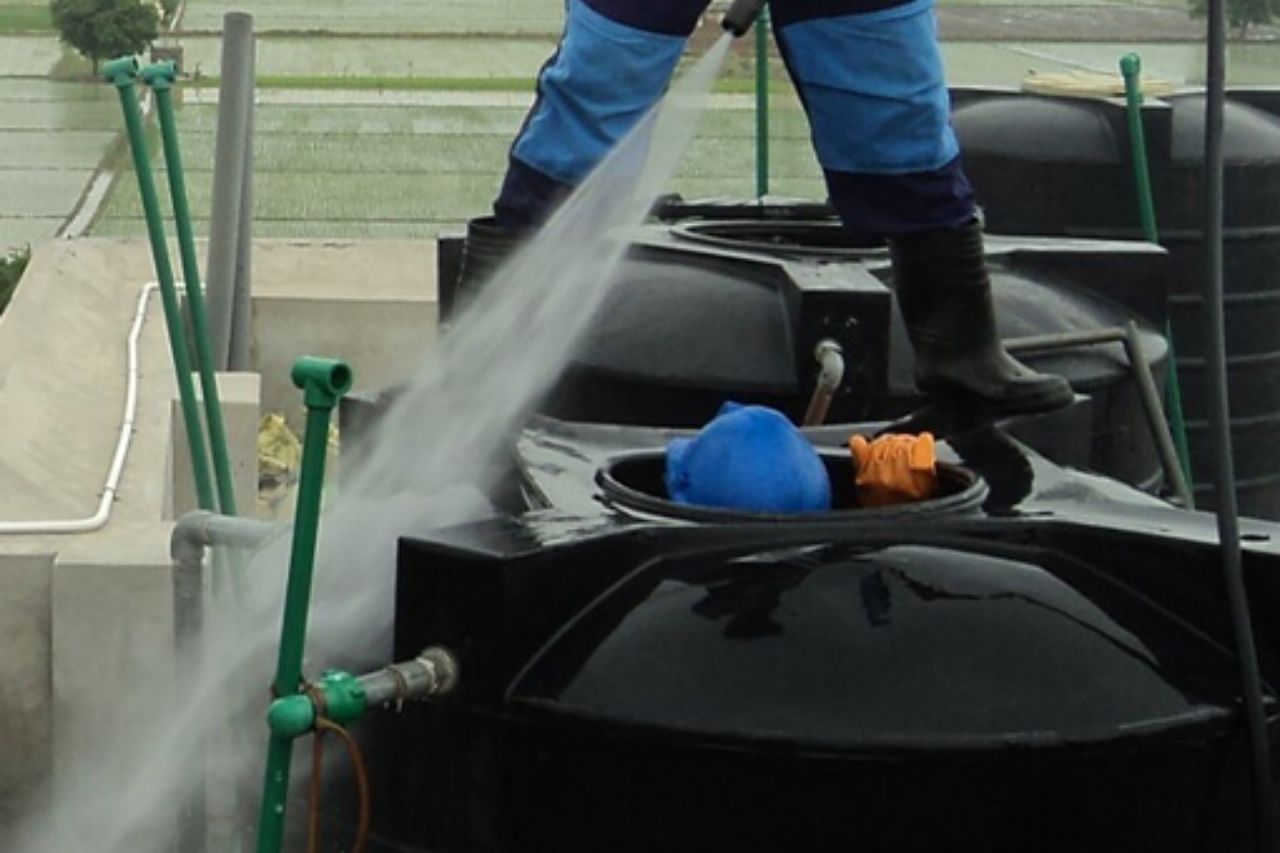
While some property owners may attempt to clean the tank themselves, professional services are generally the safer and more effective choice.
DIY Cleaning Challenges
- Lack of proper equipment
- Incomplete removal of contaminants
- Safety risks when handling confined spaces
Benefits of Professional Services
- Thorough cleaning and disinfection
- Use of specialized tools and techniques
- Compliance with safety and hygiene standards
- Faster and more efficient process
Preventive Maintenance Tips
To reduce the need for emergency cleaning, follow these preventive measures:
- Inspect your tank regularly for damage or contamination
- Ensure the tank is properly sealed
- Install filters to reduce sediment entry
- Schedule routine cleaning and maintenance
- Monitor water quality frequently
Conclusion
Water tanks are a critical component of any property in Malaysia, but they require consistent care to function effectively. Ignoring the warning signs of contamination can lead to serious health risks, costly repairs, and compromised water quality.
By recognizing signs such as discolored water, foul odors, sediment buildup, and low water pressure, you can take immediate action to protect your property and its occupants. Consistent maintenance and prompt cleaning are key to maintaining a safe and dependable water supply.
If you notice any of these signs, it is best to act quickly and engage to restore your system to optimal condition.