
Building Water Tank Cleaning in Malaysia: Ensuring Safe and Clean Water Supply
- June 17, 2026
- Water Tank Cleaning
Clean and safe water is essential for every building, whether residential, commercial, or industrial. In Malaysia, where humidity is high and rainfall is frequent, building water tanks is vital for consistent water storage and supply. However, over time, these tanks can accumulate sediment, bacteria, algae, and other contaminants that compromise water quality.
Regular water tank cleaning is not just a maintenance task—it is a vital practice to ensure health, safety, and system efficiency. Without proper cleaning, water stored in tanks can become unsafe for consumption and use, leading to health risks and operational issues. This article explores the importance of building water tank cleaning in Malaysia, common contamination issues, cleaning methods, and the benefits of professional maintenance.
Why Water Tank Cleaning is Important
Water tanks are constantly exposed to environmental conditions, even when sealed. Over time, dust, rust particles, organic matter, and microbial growth can accumulate inside the tank.
Key reasons cleaning is essential:
- Ensures safe and hygienic water supply
- Prevents bacterial and algae growth
- Improves water taste and odor
- Reduces the risk of waterborne diseases
- Maintains system efficiency
- Complies with health and safety standards
Regular cleaning ensures that the water supplied to occupants remains clean and safe for daily use.
Common Contaminants Found in Water Tanks
Even well-maintained tanks can develop contamination issues over time.
Common contaminants include:
- Sediment and dirt buildup
- Algae and biofilm formation
- Rust particles from metal components
- Insects and debris
- Bacteria such as E. coli and Legionella
- Chemical residues from external sources
These contaminants can affect water quality and pose serious health risks if not properly addressed.
Types of Water Tanks in Buildings
Different buildings use different types of water storage systems, each requiring proper cleaning methods.
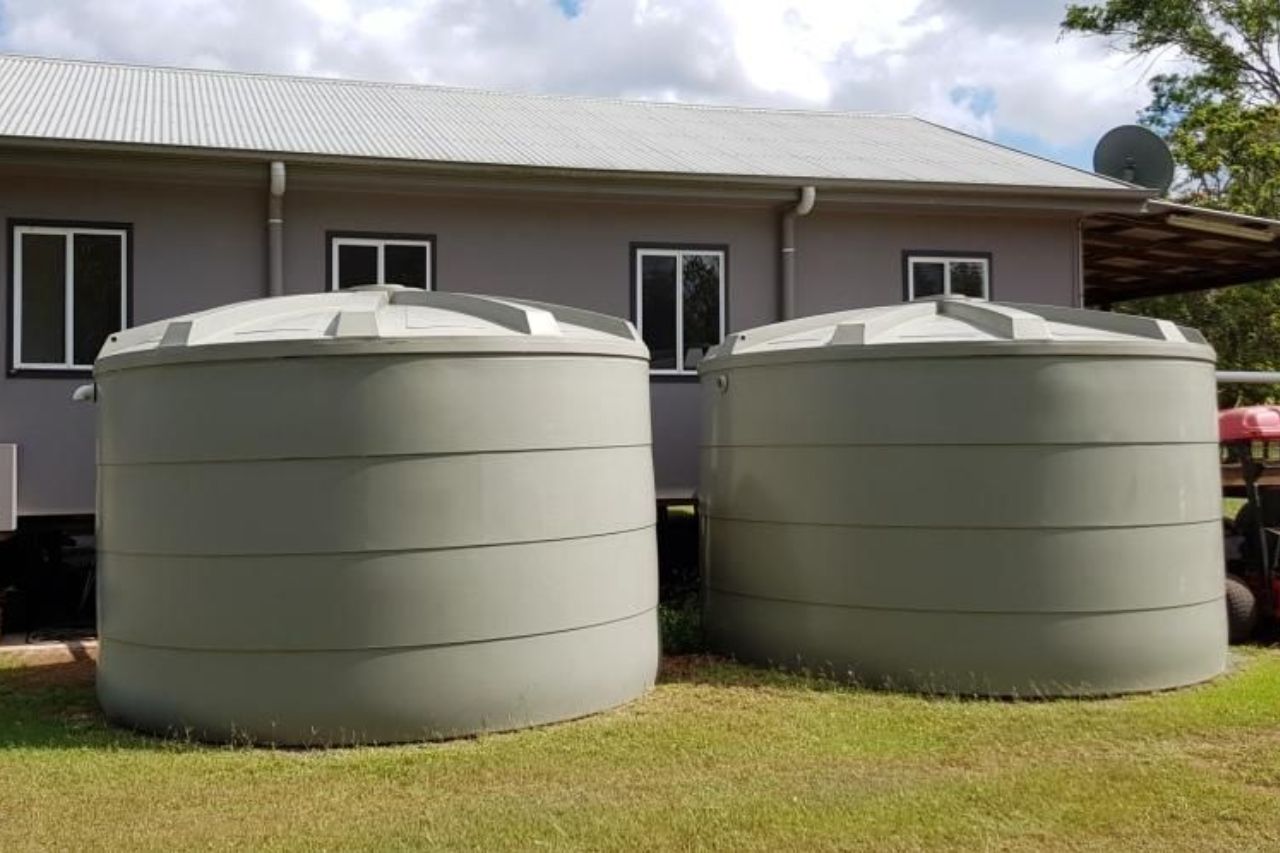
1. FRP Water Tanks
Fiberglass Reinforced Plastic (FRP) tanks are widely used due to their durability and corrosion resistance. However, they still require regular cleaning to prevent biofilm buildup.
2. Concrete Water Tanks
Concrete tanks are common in older buildings and large facilities. These tanks are prone to cracks and internal contamination if not maintained properly.
3. Steel Water Tanks
Steel tanks are strong but can develop rust and corrosion over time, making regular inspection and cleaning essential.
Risks of Dirty Water Tanks
Neglecting water tank cleaning can lead to serious consequences for building occupants and property owners.
Potential risks include:
- Waterborne diseases and infections
- Foul smell and unpleasant taste
- Blocked pipes and reduced water flow
- Damage to plumbing systems
- Increased maintenance costs
- Non-compliance with health regulations
Dirty water tanks directly impact both health and building operations.
Water Tank Cleaning Process in Malaysia
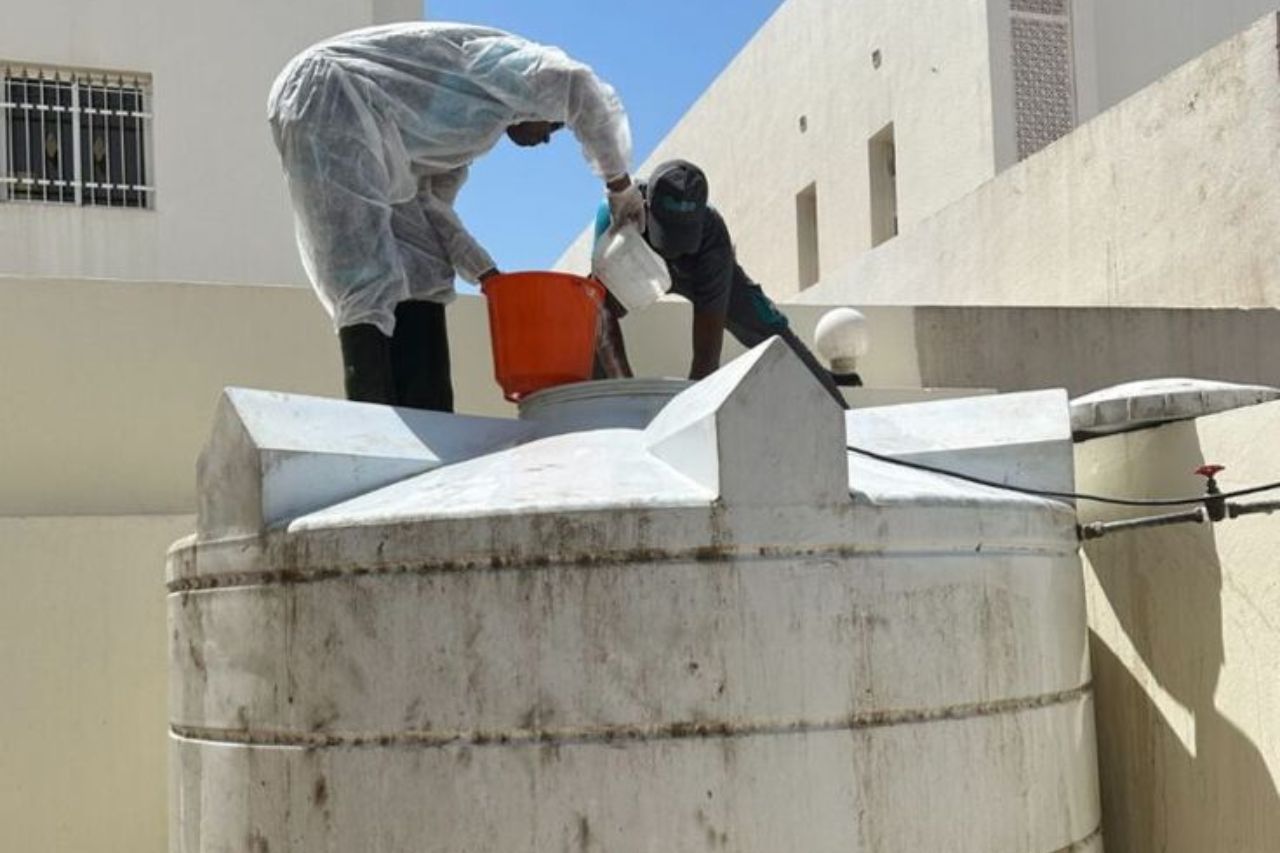
Professional water tank cleaning services follow a systematic process to ensure thorough cleaning and disinfection.
Step 1: Inspection
The tank is inspected to assess contamination levels, structural condition, and potential issues.
Step 2: Draining the Tank
All stored water is safely drained to allow access for cleaning.
Step 3: Physical Cleaning
Technicians remove sediment, sludge, algae, and debris using specialized tools and equipment.
Step 4: High-Pressure Washing
High-pressure water jets are used to clean tank walls, floors, and corners.
Step 5: Disinfection
Approved disinfectants are applied to eliminate bacteria, viruses, and harmful microorganisms.
Step 6: Rinsing and Final Check
The tank is rinsed thoroughly, and a final inspection ensures cleanliness before refilling.
Clean & Healthy Water Starts with Professional Water Tank Service
Benefits of Professional Water Tank Cleaning
Hiring professional cleaning services ensures a higher standard of hygiene and safety compared to DIY methods.
Key benefits include:
- Thorough removal of contaminants
- Improved water quality and safety
- Compliance with regulatory standards
- Extended lifespan of water tanks
- Early detection of structural issues
- Reduced risk of contamination-related illnesses
Professional services use specialized equipment and trained technicians to ensure effective cleaning.
How Often Should Water Tanks Be Cleaned?
The frequency of cleaning depends on usage, tank type, and environmental conditions.
General recommendations:
- Residential buildings: every 6–12 months
- Commercial buildings: every 3–6 months
- Industrial facilities: every 3–6 months or as required
- Hospitals and food facilities: more frequent cleaning schedules
Regular maintenance schedules help ensure consistent water quality.
Signs Your Water Tank Needs Cleaning
Property owners should look out for warning signs that indicate the need for immediate cleaning.
Common indicators:
- Discolored or cloudy water
- Strange taste or odor
- Visible sediment in water
- Reduced water pressure
- Algae growth inside the tank (if visible)
- Increased reports of water-related illness
Early detection helps prevent serious contamination issues.
Importance of Compliance and Safety Standards
In Malaysia, building water systems are subject to health and safety guidelines to ensure a clean water supply. Regular cleaning helps property owners meet these requirements and avoid potential penalties or health risks.
Compliance also ensures:
- Safe drinking water supply
- Better building management practices
- Reduced liability for property owners
- Improved tenant satisfaction
Maintaining clean water tanks reflects responsible property management.
Residential vs Commercial Water Tank Cleaning
Water tank cleaning requirements vary depending on property type.
Residential buildings:
- Focus on household water safety
- Typically lower contamination risk
- Scheduled annual cleaning is common
Commercial and industrial buildings:
- Higher water usage and contamination risk
- Require more frequent cleaning
- Must comply with stricter regulations
Each property type requires a tailored maintenance approach.
Choosing a Professional Water Tank Cleaning Service in Malaysia
Selecting the right service provider ensures quality results and long-term safety.
Factors to consider:
- Experience and expertise
- Use of approved cleaning chemicals
- Compliance with safety standards
- Trained and certified technicians
- Service coverage and response time
- Customer reviews and reputation
A reliable provider ensures thorough cleaning and peace of mind.
Preventive Maintenance Tips
In addition to regular cleaning, preventive maintenance helps keep water tanks in good condition.
Useful practices include:
- Regular inspection of tank condition
- Checking for leaks and cracks
- Ensuring proper sealing of tank covers
- Installing filters where necessary
- Monitoring water quality regularly
Preventive care reduces long-term maintenance costs and risks.
Conclusion
Building water tank cleaning in Malaysia is essential for maintaining safe, clean, and reliable water supply systems. With the country’s climate and environmental conditions, water tanks are prone to contamination if not properly maintained.
Regular cleaning helps eliminate harmful bacteria, improve water quality, and extend the lifespan of storage systems. Whether for residential, commercial, or industrial properties, professional water tank cleaning ensures compliance, safety, and peace of mind.
By investing in proper maintenance and scheduled cleaning, property owners can ensure that every drop of water supplied is clean, safe, and suitable for use.