
Top 5 Tips for Efficient Residential Water Tank Cleaning
- December 9, 2025
- Water Tank, Water Tank Cleaning
Water is essential for daily life, and having a clean water supply at home is crucial for health, hygiene, and overall well-being. One of the most overlooked aspects of residential water maintenance is the water tank. Over time, water tanks can accumulate dirt, debris, algae, and even harmful bacteria, compromising water quality. Regular cleaning of your residential water tank is not just a matter of aesthetics but a critical step to ensure safe water consumption for your household. Here are the top five tips for efficient residential water tank cleaning to help homeowners maintain clean, safe water.
1. Establish a Regular Cleaning Schedule
The first step toward efficient water tank maintenance is to establish a regular cleaning schedule. Water tanks, whether made of concrete, plastic, or metal, are prone to contamination over time. Sediment, leaves, dust, and other debris can accumulate at the bottom, while algae may grow along the walls if the tank is exposed to sunlight.
Why Regular Cleaning Matters:
Regular cleaning prevents the build-up of harmful microorganisms such as bacteria and fungi. It also ensures that sediments do not block pipes or affect water flow. A neglected water tank can become a breeding ground for mosquitoes and other insects, increasing the risk of waterborne diseases.
Recommended Frequency:
- Plastic tanks: Every 6 months
- Concrete tanks: Every 3 to 6 months
- Metal tanks: Every 3 to 6 months, depending on the environment
It’s important to adjust the cleaning schedule based on the quality of water you receive and the surrounding environment. Areas prone to dust, pollution, or heavy rainfall may require more frequent cleaning.
2. Drain and Inspect the Tank Properly
Before cleaning, ensure that the tank is completely drained. This step allows you to inspect the tank’s interior for any damage, rust, or signs of contamination. Proper inspection is crucial because it helps you identify potential problems early, such as cracks in concrete tanks or corrosion in metal tanks.
Step-by-Step Guide:
- Turn off the water supply to the tank to prevent water from refilling during cleaning.
- Drain the tank completely using a hose or drainage valve. Ensure that all water is removed, as residual water may interfere with cleaning.
- Inspect the interior walls and floor for signs of mold, algae, sediment, or damage.
- Check the tank lid and inlet/outlet pipes for cracks or leakage points.
A thorough inspection not only ensures a cleaner tank but also extends its lifespan. Catching small issues early can prevent costly repairs later.
3. Use Appropriate Cleaning Tools and Solutions
The choice of cleaning tools and solutions significantly affects the efficiency and safety of the cleaning process. Avoid harsh chemicals that can leave residues or react with the tank material. Instead, focus on safe and effective cleaning methods that thoroughly remove contaminants without compromising water safety.
Recommended Tools:
- Soft-bristle brushes or long-handled scrubbers for scrubbing walls
- Buckets or portable pumps for water removal
- Personal protective equipment (gloves, masks)
Safe Cleaning Solutions:
- Bleach solution: A mild bleach solution can effectively disinfect the tank. Use a ratio of about 1 liter of bleach per 100 liters of water. Make sure the solution reaches all parts of the tank and leave for 15–30 minutes before rinsing thoroughly.
- Vinegar solution: For eco-friendly cleaning, a vinegar-water mixture can help remove algae and mineral deposits.
- Commercial water tank cleaners: There are specialized cleaners designed for residential water tanks that are safe and efficient.
When cleaning, start from the top and scrub downwards to remove dirt, algae, and sediment. Make sure to rinse the tank multiple times with clean water to remove all cleaning residues.
Clean & Healthy Water Starts with Professional Water Tank Service
4. Pay Attention to Filtration and Inlet Systems
An often-overlooked aspect of water tank maintenance is the filtration and inlet system. Cleaning the tank alone is not enough if the water entering the tank is contaminated. Properly installing and maintaining a filter can ensure debris, sand, and dust do not enter the tank.
Key Points for Filtration Maintenance:
- Check and clean inlet screens regularly to prevent blockages.
- Install mesh or fine filters at the inlet to trap leaves and larger particles.
- Ensure proper pipe sealing to prevent insects and small animals from entering the tank.
By keeping the inlet system clean, you minimize the rate at which sediment and contaminants accumulate, reducing the frequency of tank cleaning. Clean inlet systems also improve water flow and reduce the risk of pipe damage.
5. Schedule Professional Cleaning for Comprehensive Maintenance
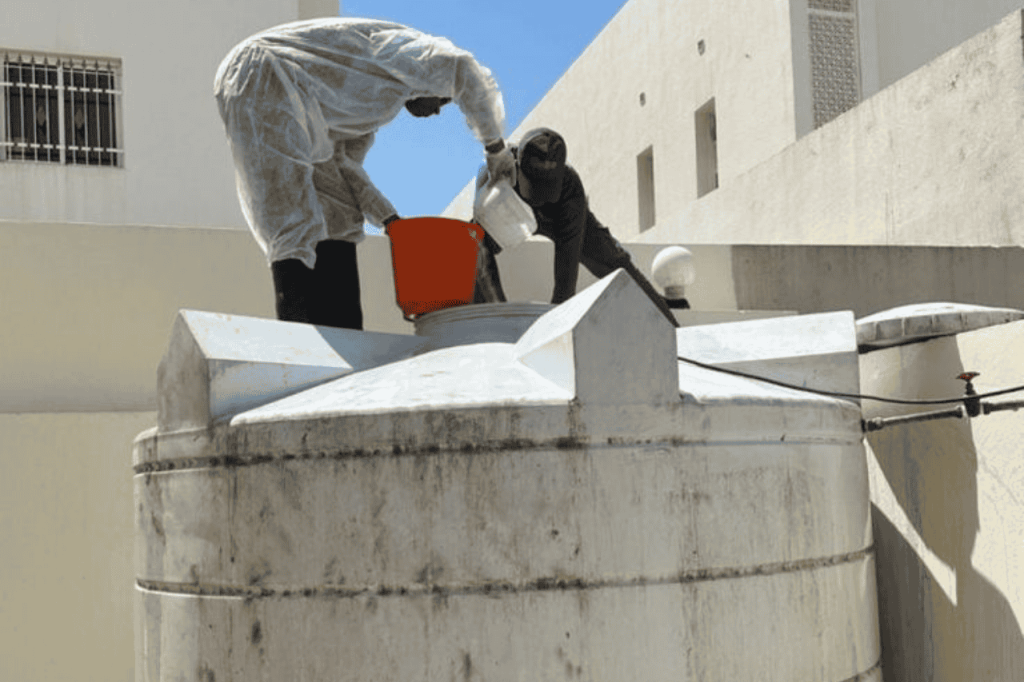
While homeowners can perform routine cleaning, hiring a professional water tank cleaning service is recommended at least once a year. Professional cleaners have specialized tools and expertise to thoroughly disinfect the tank, remove hard-to-reach sediments, and ensure compliance with health and safety standards.
Benefits of Professional Cleaning:
- Complete disinfection: Professionals use certified disinfectants that effectively kill bacteria, fungi, and other microorganisms.
- Inspection for structural integrity: Professionals can detect early signs of corrosion, leaks, or cracks and recommend repairs.
- Time and effort savings: Cleaning a tank, especially a large one, is labor-intensive. Professionals can complete the task efficiently, saving homeowners time and hassle.
- Record of maintenance: Some service providers offer documentation of cleaning, which is helpful for property management or real estate purposes.
Even if you maintain a routine cleaning schedule on your own, professional intervention ensures that your water supply is consistently safe and of high quality.
Additional Tips for Safe Water Tank Maintenance
- Keep the tank covered: A tightly sealed lid prevents dust, insects, and leaves from entering the tank.
- Avoid direct sunlight: Exposure to sunlight promotes algae growth. Place tanks in shaded areas or use opaque covers.
- Monitor water quality: Regularly check the taste, odor, and appearance of the water. Cloudiness or an unusual smell may indicate contamination.
- Educate household members: Ensure everyone knows not to throw waste or chemicals into the tank.
By combining these practices with the five tips above, homeowners can maintain a clean, safe, and efficient water storage system.
Conclusion
Residential water tank cleaning is a critical but often overlooked aspect of home maintenance. Regular cleaning, proper inspection, safe use of cleaning solutions, attention to inlet systems, and professional maintenance collectively ensure a reliable supply of clean water for your household. Implementing these tips not only protects your family’s health but also extends the lifespan of your water tank, reduces repair costs, and improves water flow and quality.
Remember, a clean water tank is the foundation of a healthy home. With consistent care and the right approach, you can enjoy safe, fresh, and contaminant-free water all year round.