
Why Water Tank Coating Service Is Crucial for Long-Term Durability
- February 16, 2026
- Water Tank
Water tanks are an essential component of any residential, commercial, or industrial building. They store and supply water for daily use, from drinking and cooking to sanitation and operational processes. However, many property owners overlook a critical aspect of water tank maintenance: protective coatings. A water tank coating service is more than a cosmetic upgrade—it is a vital preventive measure that ensures the tank’s longevity, structural integrity, and water quality. Neglecting this service can lead to corrosion, leaks, microbial growth, and costly repairs in the long run.
1. Protects Against Corrosion and Rust
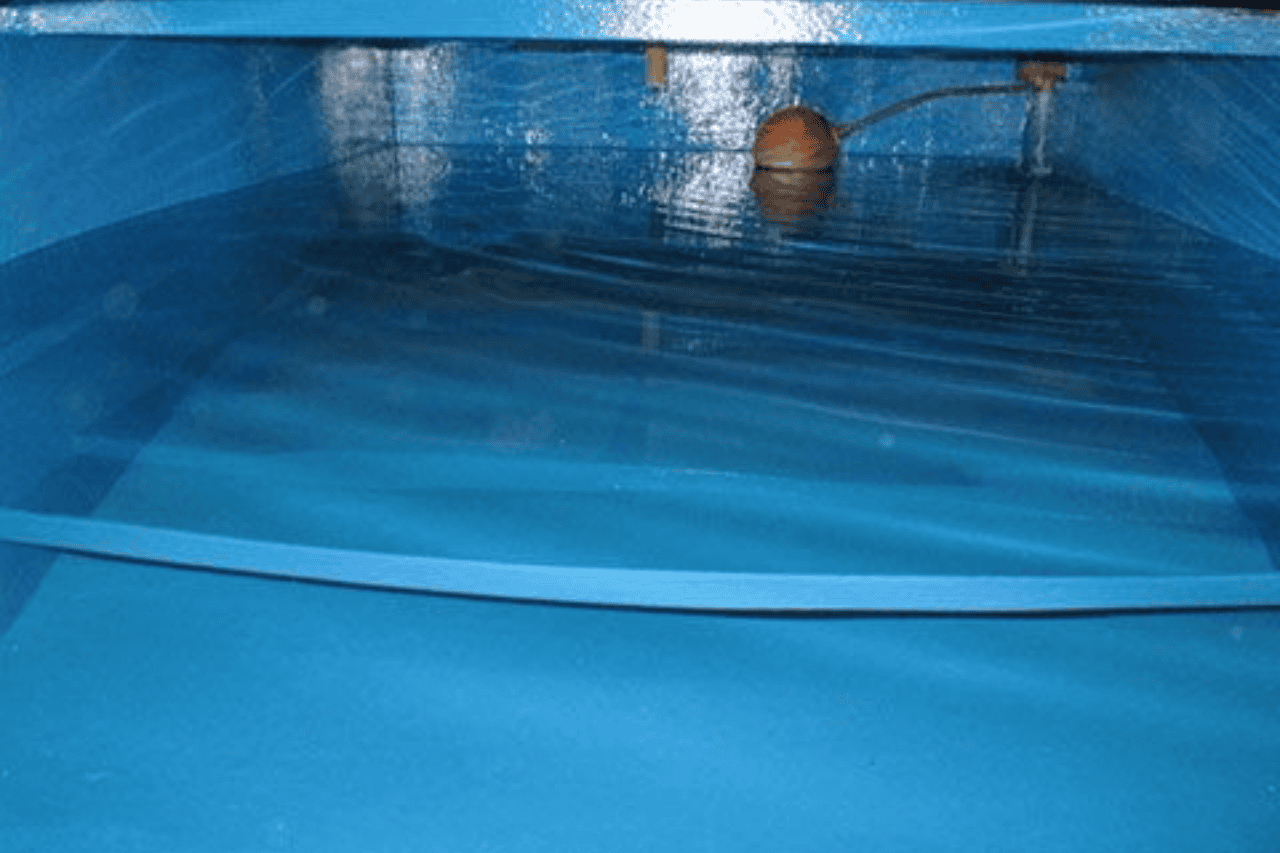
One of the primary reasons for applying a protective coating to water tanks is to prevent corrosion. Over time, metal tanks are naturally susceptible to rust due to constant exposure to water, oxygen, and environmental factors such as humidity and temperature fluctuations. Corrosion weakens the tank’s structure, increasing the risk of leaks and even complete failure.
Benefits of tank coating for corrosion prevention include:
- Forms a barrier between water and metal surfaces
- Prevents rust formation and metal degradation
- Extends the service life of the tank
- Reduces the frequency of repairs and replacements
By investing in a professional water tank coating service, property owners can significantly delay corrosion, protecting both the tank and the water it stores.
2. Enhances Water Quality and Safety
Water quality is directly affected by the condition of the storage tank. Uncoated or damaged tank surfaces can release rust particles, sediments, and other impurities into the water supply, potentially contaminating it. This contamination not only affects taste and odor but can also pose health risks to occupants.
How water tank coatings improve water quality:
- Prevent metal particles from leaching into water
- Reduce sediment buildup on tank walls
- Minimize microbial growth by creating a smooth, non-porous surface
- Maintain clean, safe water for household or commercial use
Ensuring water quality is particularly crucial for businesses in the food, beverage, healthcare, and hospitality sectors, where contamination can lead to regulatory penalties and customer complaints.
3. Increases Tank Lifespan
Without a protective coating, tanks deteriorate faster due to rust, corrosion, and chemical reactions with water. This shortens their operational lifespan and can lead to the need for premature replacement. A professional coating service applies specialized materials that form a durable barrier, shielding the tank from environmental and chemical damage.
Key advantages for long-term durability include:
- Prolonged structural integrity
- Resistance to temperature fluctuations and moisture
- Reduced need for frequent maintenance
- Better return on investment compared to tank replacement
Investing in tank coating is a cost-effective way to protect the tank for decades, avoiding costly emergency repairs or replacements.
4. Minimizes Microbial Growth
Water tanks are prone to microbial contamination, including algae, bacteria, and biofilm formation. Rough or corroded surfaces provide ideal conditions for these microorganisms to thrive. Coating the tank creates a smooth, non-porous surface that is difficult for microbes to attach to, effectively reducing contamination risks.
Benefits for hygiene and safety:
- Reduces bacterial colonization and biofilm formation
- Helps maintain consistent water quality
- Supports compliance with health and safety regulations
- Reduces the frequency of deep cleaning or disinfection
For commercial or industrial tanks, this is especially important, as microbial contamination can disrupt operations and compromise compliance with water safety standards.
Clean & Healthy Water Starts with Professional Water Tank Service
5. Prevents Leaks and Structural Damage
Over time, corrosion, rust, and chemical reactions weaken tank walls, increasing the likelihood of leaks or structural failure. Even small leaks can cause water damage to buildings, disrupt supply, and lead to costly repairs. A high-quality water tank coating acts as a protective layer, preventing metal degradation and sealing small imperfections before they worsen.
How coatings protect the structure:
- Reinforce tank walls against cracks and corrosion
- Seal minor defects before they turn into leaks
- Provide resistance to water pressure and external impacts
- Extend the structural life of the tank
Preventive coating ensures that tanks remain reliable and functional, reducing the risk of unexpected damage.
6. Reduces Maintenance Costs
Neglected water tanks require more frequent cleaning, repairs, and sometimes replacement. Applying a protective coating reduces maintenance needs by preventing corrosion, rust, and microbial buildup. This translates into significant cost savings over the tank’s lifetime.
Cost-saving benefits include:
- Fewer emergency repairs and replacements
- Reduced cleaning frequency
- Lower risk of plumbing and water system damage
- Increased energy efficiency for connected systems like pumps and heaters
Regular coating services, though an upfront investment, save both time and money in the long term.
7. Compliance with Health and Safety Regulations
Many regions have strict regulations for water storage systems, especially in commercial and industrial properties. Failure to maintain safe water tanks can result in fines, penalties, or operational shutdowns. Tank coatings play a crucial role in ensuring compliance by maintaining structural integrity and water hygiene standards.
Regulatory benefits of coated tanks include:
- Easier to pass inspections
- Supports water safety certifications
- Reduces liability for building owners and managers
- Demonstrates proactive maintenance and accountability
Water tank coatings enable businesses in critical sectors to meet both legal requirements and the hygiene standards their customers expect.
8. Improves Aesthetic Appeal
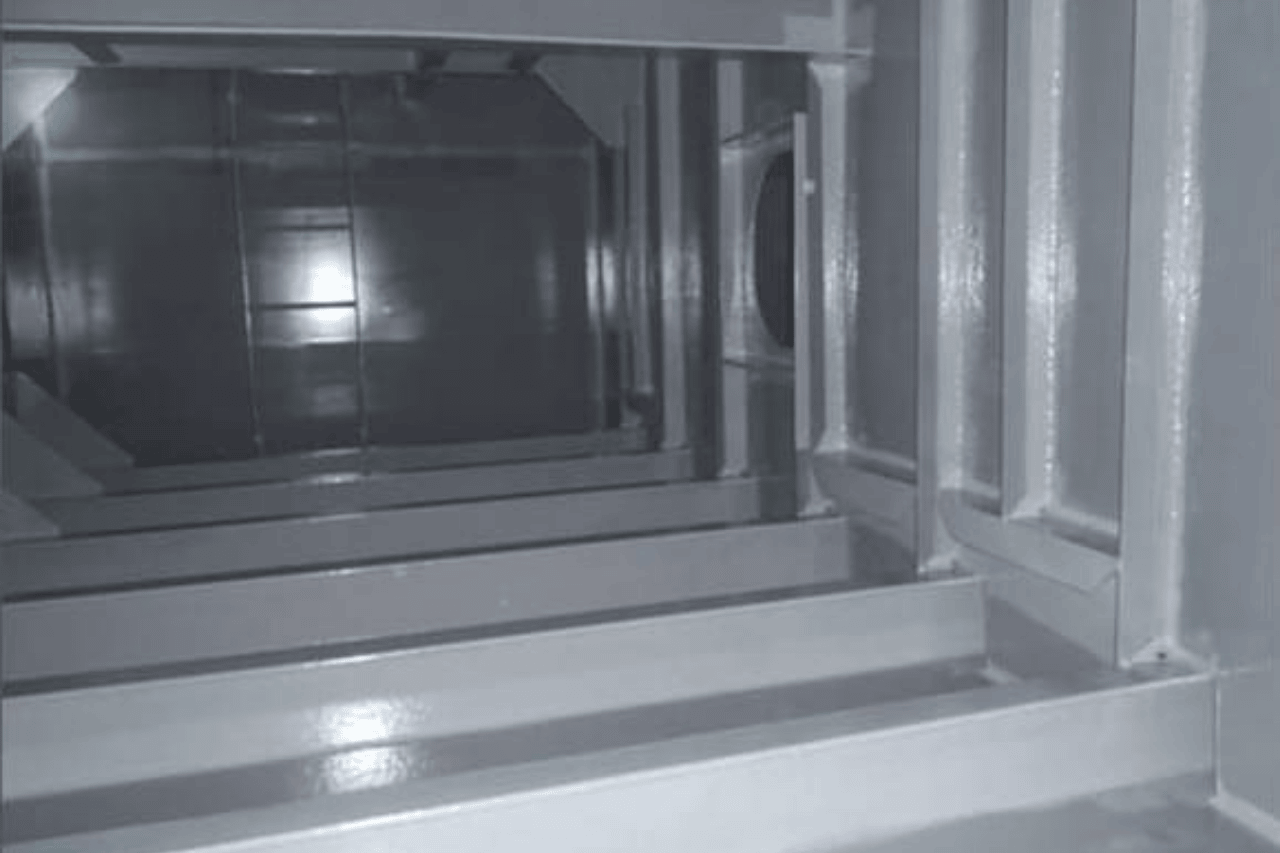
While durability and safety are the primary goals, water tank coatings also enhance the visual appearance of tanks. A well-coated tank with a smooth, clean finish enhances both performance and visual appeal, demonstrating responsible property management. This is particularly valuable for rooftop or commercial tanks that are visible to tenants or visitors.
Aesthetic advantages include:
- Smooth, uniform finish on tank surfaces
- Protection against unsightly rust and stains
- Reinforced professional image for businesses
- Easier to spot minor issues during inspections
A well-maintained water tank not only operates more efficiently but also enhances the overall perception of how the property is cared for.
9. Eco-Friendly Benefits
Protecting tanks with high-quality coatings reduces the need for frequent replacements, minimizing metal waste and environmental impact. Coatings also prevent water contamination, which contributes to responsible water usage and safety.
Environmental benefits include:
- Extends tank life, reducing material waste
- Minimizes water contamination and wastage
- Supports sustainable property management practices
- Reduces chemical use by limiting cleaning frequency
By investing in protective coatings, property owners contribute to long-term sustainability while protecting their assets.
10. Choosing the Right Water Tank Coating Service
Not all coatings are created equal. A professional service will assess the tank’s condition, select the appropriate coating material, and apply it correctly to ensure maximum effectiveness. Key factors to consider include:
- Type of tank material (metal, concrete, fiberglass)
- Quality and durability of the coating material
- Expertise and experience of the service provider
- Compliance with local safety and environmental standards
- Warranty or maintenance support
Proper application ensures that the tank receives full protection and long-lasting results.
Conclusion
Water tanks are more than storage containers—they are essential for a safe and reliable water supply. Neglecting protective coatings exposes tanks to corrosion, microbial growth, structural damage, leaks, and costly repairs. Routine tank coating strengthens the structure, keeps the water clean and helps the tank stay functional for years.
Investing in professional coating services is a cost-effective strategy for long-term durability. It reduces maintenance needs, supports regulatory compliance, enhances aesthetic appeal, and protects both the property and its occupants. For homeowners, property managers, and businesses alike, ensuring that tanks are coated and well-maintained is not just a precaution—it is a smart investment in safety, reliability, and sustainability.