
Why Regular Water Tank Maintenance is Beneficial and Necessary For a Building
- July 7, 2025
- Water Tank Repair, Service & Refurbishment
Clean water is a necessity in any residential, commercial, or industrial building. From drinking and cooking to sanitation and fire safety, water plays a central role in the day-to-day operations of buildings. However, many building owners and facility managers overlook the importance of regular water tank maintenance—until a serious problem arises.
Neglecting water tank maintenance can lead to health hazards, system failures, and costly repairs. In contrast, scheduled servicing and inspections can protect the health of occupants, ensure system efficiency, and extend the lifespan of the infrastructure. This article explores the benefits and necessity of regular water tank maintenance and why it should be part of every building’s management routine.
1. Prevention of Water Contamination
One of the primary reasons to maintain your building’s water tank regularly is to prevent contamination. Over time, water tanks can accumulate:
- Algae and biofilms
- Sediment and rust
- Insects and rodents
- Harmful bacteria like E. coli and Legionella
These contaminants degrade water quality which can make it unsafe for consumption and use. Regular cleaning and disinfection eliminate these risks, ensuring the water remains clean and safe for building occupants.
2. Health and Safety Compliance
Most countries and municipalities have regulations that require water tanks in commercial or residential buildings to be cleaned and inspected regularly. This is especially true for facilities like hospitals, schools, apartments, and food service establishments.
Regular maintenance ensures compliance with:
- Public health guidelines
- Fire safety codes
- Water authority regulations
- Environmental laws
Failure to comply can result in fines, legal action, or even the closure of facilities in extreme cases.
3. Extended Tank Lifespan
Concrete, steel, or plastic water tanks may degrade over time as a result of corrosion, leaks, and structural flaws. Sludge build-up, sediment, and chemical deposits accelerate this deterioration.
Routine maintenance allows for:
- Early detection of corrosion or cracks
- Cleaning to prevent material degradation
- Replacement of worn-out valves or seals
This not only extends the life of the tank but also helps you avoid expensive emergency replacements or system failures.
4. Improved Water Efficiency
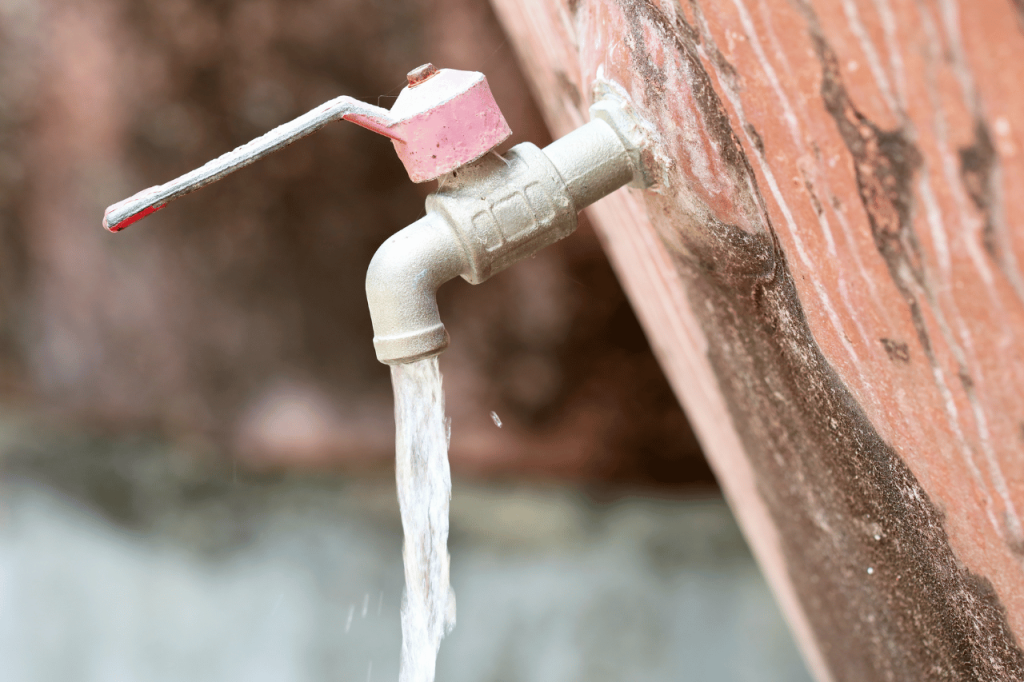
Tanks filled with sludge or debris affect water pressure and flow. Clogged outlets or damaged pipes result in water inefficiency, leading to increased water bills and suboptimal performance in plumbing fixtures and systems.
Regular maintenance ensures:
- Smooth water flow
- Efficient distribution to all units or levels
- Less strain on pumps and plumbing systems
Buildings that prioritize water efficiency enjoy lower operational costs and a smaller environmental footprint.
5. Reduction in Repair and Replacement Costs
In every case, preventive maintenance is less expensive than reactive maintenance. Ignoring water tank servicing might save you money in the short term, but you could end up facing:
- Emergency plumbing repairs
- Complete tank replacement
- Water damage restoration from leaks or overflow
By investing in regular maintenance, you’re essentially minimizing the risk of expensive breakdowns and extending the overall service life of your building’s water systems.
6. Preservation of Structural Integrity
Water tanks are often installed on rooftops, in basements, or alongside building structures. A poorly maintained tank may leak or overflow, leading to structural damage, including:
- Ceiling and wall dampness
- Cracked foundations
- Mold and mildew growth
- Rusting of steel components
These issues can affect the integrity and safety of the entire building. Regular inspections and maintenance prevent such consequences by ensuring the tank functions as intended.
7. Early Detection of Potential Problems
One major advantage of routine maintenance is the ability to spot minor issues before they escalate. This includes:
- Signs of corrosion
- Weak seals or gaskets
- Blockages in inlet/outlet valves
- Bacterial contamination
When caught early, these problems can often be resolved quickly and inexpensively. Without maintenance, they may lead to major system failures or health risks.
8. Peace of Mind for Building Owners and Tenants
A well-maintained water system gives peace of mind to everyone in the building:
- Residents feel safe knowing their water is clean
- Tenants appreciate the reliability of the water supply
- Facility managers avoid stressful emergencies
- Owners reduce liability for health and safety issues
Peace of mind is an intangible but powerful benefit of regular maintenance, especially in high-occupancy buildings such as condos, hotels, or office towers.
9. Support for Fire Safety Systems
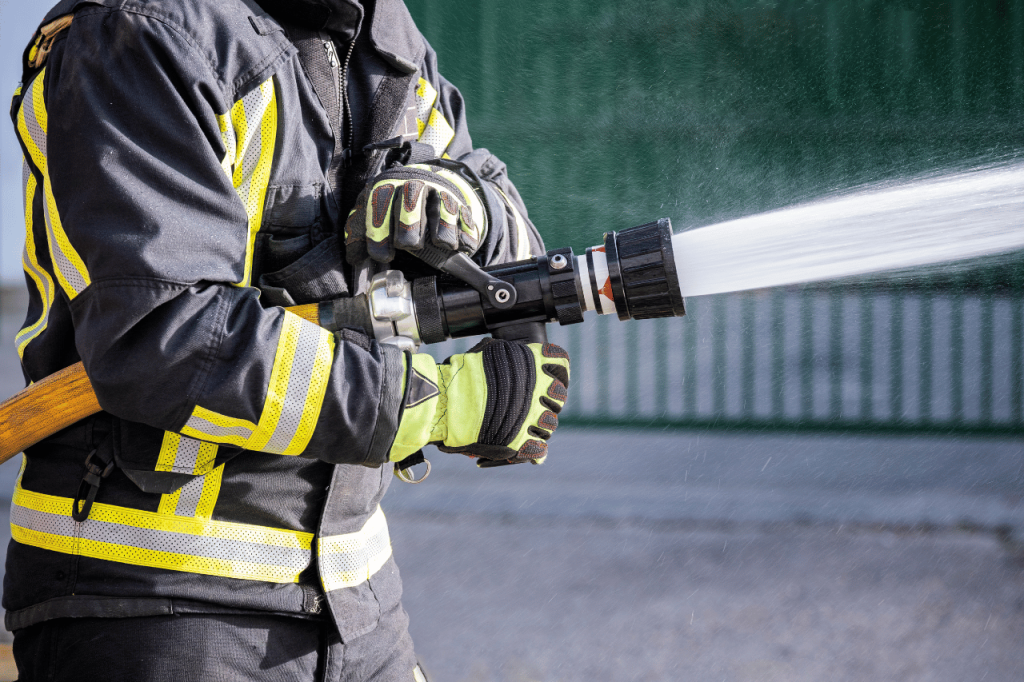
Many buildings rely on stored water for firefighting systems such as sprinkler networks or fire hoses. If the water tank is neglected and not filled or maintained properly, the entire system can fail in an emergency.
Regular maintenance ensures:
- Adequate water volume
- Unclogged distribution pipes
- Functional pressure levels
- No obstructions or valve malfunctions
This is crucial not only for building code compliance but for saving lives during fire emergencies.
10. Contribution to Green Building Practices
Water is a crucial component in sustainable buildings, which emphasize the effective use of resources. Regular tank maintenance helps conserve water by:
- Preventing leaks and overflows
- Reducing unnecessary water loss
- Ensuring optimal tank performance
Furthermore, maintenance teams can suggest upgrades such as rainwater harvesting, water filtration systems, or smart tank monitoring solutions that align with sustainability goals and certifications (e.g., GreenRE or LEED).
11. Professional Maintenance Services Add Value
While some minor tasks can be performed in-house, most buildings benefit from a professional water tank maintenance providers. These specialists bring:
- Industrial-grade cleaning tools
- Knowledge of hygiene and safety standards
- Routine inspection schedules
- Documentation for compliance and audits
Outsourcing to a professional team ensures consistent, quality care, and removes the burden from building management.
How Often Should Water Tank Maintenance Be Carried Out?
The frequency depends on several factors:
- Residential buildings: At least once every 6 to 12 months
- Commercial or high-use facilities: Every 3 to 6 months
- Hospitals and food businesses: Quarterly or as required by law
- Rainwater tanks: Check filters and debris every few months
A custom maintenance plan can be tailored to your building’s size, tank material, and water usage.
Final Thoughts
Water tank maintenance is not just a routine chore—it is a critical part of responsible building management. It helps prevent health hazards, preserves infrastructure, ensures water efficiency, and keeps buildings compliant with safety regulations.
Neglecting it can lead to contaminated water, costly repairs, legal troubles, and damage to the building’s reputation. On the other hand, consistent upkeep adds long-term value, enhances occupant satisfaction, and upholds the overall health and sustainability of your property.
Whether you manage an apartment block, a factory, or a commercial complex, make regular water tank maintenance a priority. It’s a small investment that delivers big returns—in reliability, health, and peace of mind.