
Why Businesses Should Invest in Sectional Water Tank Refurbish Services
- August 22, 2025
- Water Tank Repair, Service & Refurbishment
Sectional water tanks, often made of steel or fiberglass panels, are widely used due to their durability, modular design, and ability to store large volumes of water. However, over time, these tanks can deteriorate due to corrosion, leaks, cracks, or contamination.
Rather than replacing the entire tank—a costly and disruptive process—businesses can opt for sectional water tank refurbishment services. These services involve repairing, reinforcing, and upgrading existing tanks to extend their lifespan and restore functionality. Investing in renovations is a wise choice for companies trying to increase sustainability and efficiency.
This article explores why businesses in Malaysia should prioritize sectional water tank refurbishment services and the numerous benefits they provide.
1. Cost Savings Over Full Replacement
Cost efficiency is one of the primary reasons businesses should consider refurbishing sectional tanks. Full tank replacement involves:
- Purchasing a new tank
- Hiring a team for dismantling and installation
- Removing the old tank
- Potential downtime and disruption to operations
By contrast, refurbishment allows companies to retain the existing structure while repairing or upgrading damaged sections. This significantly reduces expenses, making refurbishment a budget-friendly alternative that delivers excellent results.
For businesses managing multiple properties, such as hotels, factories, or shopping malls, the cost savings from refurbishing instead of replacing can be substantial.
2. Extended Tank Lifespan
Sectional tanks are designed for durability; however, exposure to water pressure, chemicals, and weather conditions can lead to gradual wear and tear. Professional refurbishment services can restore structural strength and extend the tank’s lifespan by:
- Replacing corroded panels
- Applying protective coatings or linings
- Sealing leaks and cracks
- Strengthening joints and connections
With refurbishment, a tank that might otherwise need replacing in 10–15 years can last another decade or more. This maximizes the return on investment while avoiding premature replacement costs.
3. Ensures Consistent Water Quality
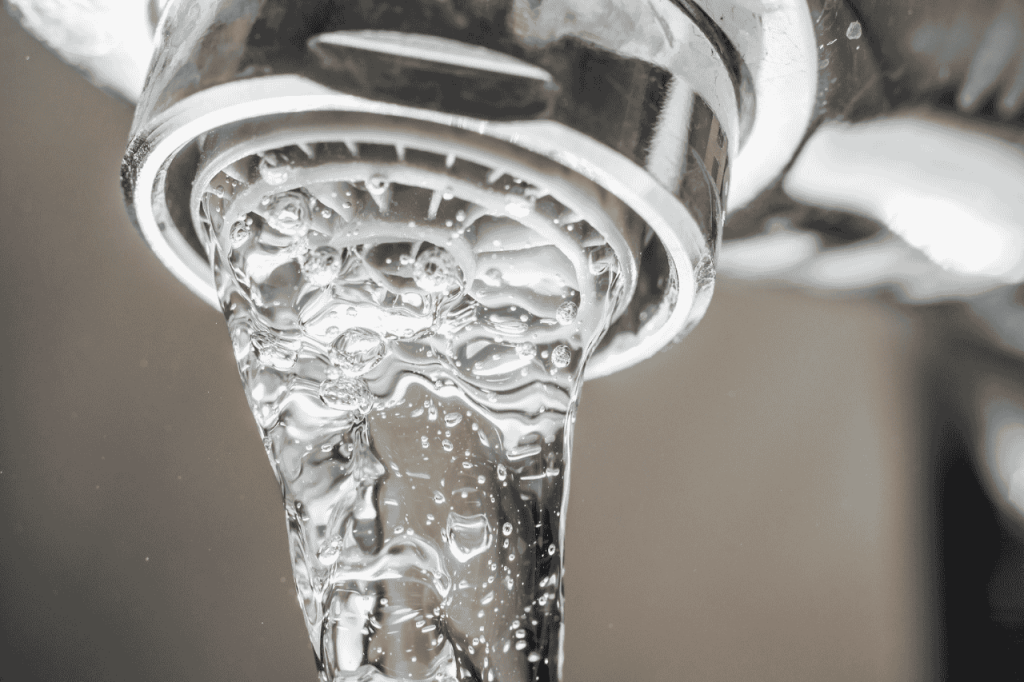
Water quality has a direct impact on business operations, employee safety, and customer trust. Leaks, rust, and sediment buildup in an aging sectional tank can contaminate stored water, leading to health hazards and operational inefficiencies.
Refurbishment services typically include:
- Thorough cleaning and disinfection
- Application of food-grade HDPE (High-Density Polyethylene) lining
- Replacement of damaged components that compromise hygiene
By refurbishing, businesses can ensure that their water supply remains clean, safe, and compliant with health regulations. This is especially vital for industries like food processing, healthcare, and hospitality, where water quality cannot be compromised.
4. Minimal Disruption to Business Operations
Full tank replacement often requires significant downtime, disrupting daily operations and resulting in possible revenue losses. Sectional water tank refurbishment services, on the other hand, are designed to minimize disruption.
The renovation team can work in stages, isolating parts of the tank for repair while keeping the rest operational. Many companies also schedule work during off-peak hours to ensure that water supply and business functions continue with little interruption.
For businesses that rely on continuous water supply—such as hotels, factories, and hospitals—this benefit alone makes refurbishment a superior option.
5. Environmentally Sustainable Choice
Sustainability has become a key focus for businesses in Malaysia and overseas. By choosing refurbishment instead of replacement, companies reduce the environmental impact associated with:
- Manufacturing new tanks
- Transporting large tank structures
- Disposing of old tanks in landfills
Refurbishment reuses much of the existing structure while upgrading only what is necessary. This not only reduces waste but also aligns businesses with eco-friendly practices, which can enhance their reputation among environmentally conscious customers and stakeholders.
6. Customized Solutions for Different Business Needs
No two businesses are alike, and neither are their water storage requirements. Refurbishment services can be tailored to specific needs, taking into account:
- Tank size and capacity
- Type of stored water (potable, industrial use, fire safety)
- Environmental exposure (indoor vs. outdoor tanks)
- Industry-specific hygiene and safety standards
For example, a hospital may require additional disinfection measures, while a factory might need reinforced coatings to withstand chemicals. Professional refurbishment teams assess these factors and provide bespoke solutions that maximize efficiency and compliance.
7. Prevents Building and Infrastructure Damage
Leaking sectional tanks can cause water seepage into building structures, leading to costly damage such as:
- Mold and mildew growth
- Cracks in walls or ceilings
- Weakening of foundations
- Electrical hazards from water infiltration
By refurbishing and sealing the tank properly, businesses prevent these risks. Protecting the structural integrity of their buildings not only saves on future repair costs but also ensures a safe and healthy environment for employees, customers, and tenants.

8. Compliance with Local Regulations
In Malaysia, certain industries must comply with strict water hygiene and storage standards set by health authorities and regulatory bodies. Aging or poorly maintained tanks can fall short of these requirements, leading to fines, legal issues, or reputational damage.
Renovation services ensure that the tank is brought up to code. Professionals use certified, food-grade materials and methods that comply with industry regulations. For businesses in healthcare, hospitality, and manufacturing, this compliance is crucial to maintaining operational licenses and credibility.
9. Protects Business Reputation
For customer-facing industries like hotels, restaurants, and malls, water supply issues can quickly tarnish a reputation. Imagine guests experiencing dirty water in a hotel room or noticing water supply interruptions in a shopping center.
Investing in sectional tank refurbishment prevents such incidents, ensuring consistent water quality and supply. By doing so, businesses protect their reputation and build trust with customers, employees, and stakeholders.
10. Long-Term Value and Peace of Mind
Perhaps the greatest advantage of refurbishment is the long-term value it provides. Businesses benefit from:
- Extended tank lifespan
- Reduced operating costs
- Improved efficiency and water storage capacity
- Professional warranties and after-service support
Knowing that a critical asset such as a water tank has been restored and certified by experts provides peace of mind. Businesses can focus on growth and operations without worrying about sudden tank failures or water supply issues.
Conclusion
For businesses in Malaysia, sectional water tanks are an essential infrastructure investment. However, as these tanks age, they face challenges such as corrosion, leaks, and hygiene issues. While replacement may seem like the obvious solution, sectional water tank refurbishment services offer a smarter alternative.
Renovations are cost-effective, sustainable, and tailored to the unique needs of each business. It extends the lifespan of tanks, ensures water quality, minimizes disruption, and protects both infrastructure and reputation. Moreover, it supports regulatory compliance and environmental responsibility—two factors that are increasingly important in today’s business landscape.
By investing in sectional water tank refurbishment services, businesses secure long-term value, reduce risks, and demonstrate a commitment to efficiency and sustainability. For property managers, facility operators, and business owners, this proactive approach is not just about fixing a problem—it’s about safeguarding operations, protecting assets, and building resilience for the future.