
What to Expect When Building Centralized Filter Service for Your Property
- October 2, 2026
- Centralized Filter
Water quality often becomes noticeable only when problems appear. Strange taste, cloudy water, sediment, unpleasant odours, and frequent filter changes can become daily inconveniences. Building centralized filter service requires careful planning from the start.
Understanding the Property's Water Needs
The first step is usually a proper assessment. Before choosing equipment, a service provider should understand how the property uses water and what problems need to be addressed. A system designed for a small house may not be suitable for a busy commercial building, while installing an unnecessarily large system can increase costs without providing useful benefits.
Several factors can influence the design, including:
- Property size and number of occupants
- Daily water consumption and peak usage
- Existing pipe size and water pressure
- Water source and known quality concerns
- Available installation space
- Current plumbing and storage arrangements
Water testing can also help identify what the filtration system actually needs to remove or reduce. This is important because not every filter is designed for the same purpose. Sediment, chlorine, odour, hardness, and other water characteristics may require different treatment methods.
Choosing the Right Filtration System
Once the property’s requirements are clearer, the next stage is selecting the equipment. A good filtration system should be matched to the water conditions and expected demand rather than selected simply because it has more filters or a higher price tag.
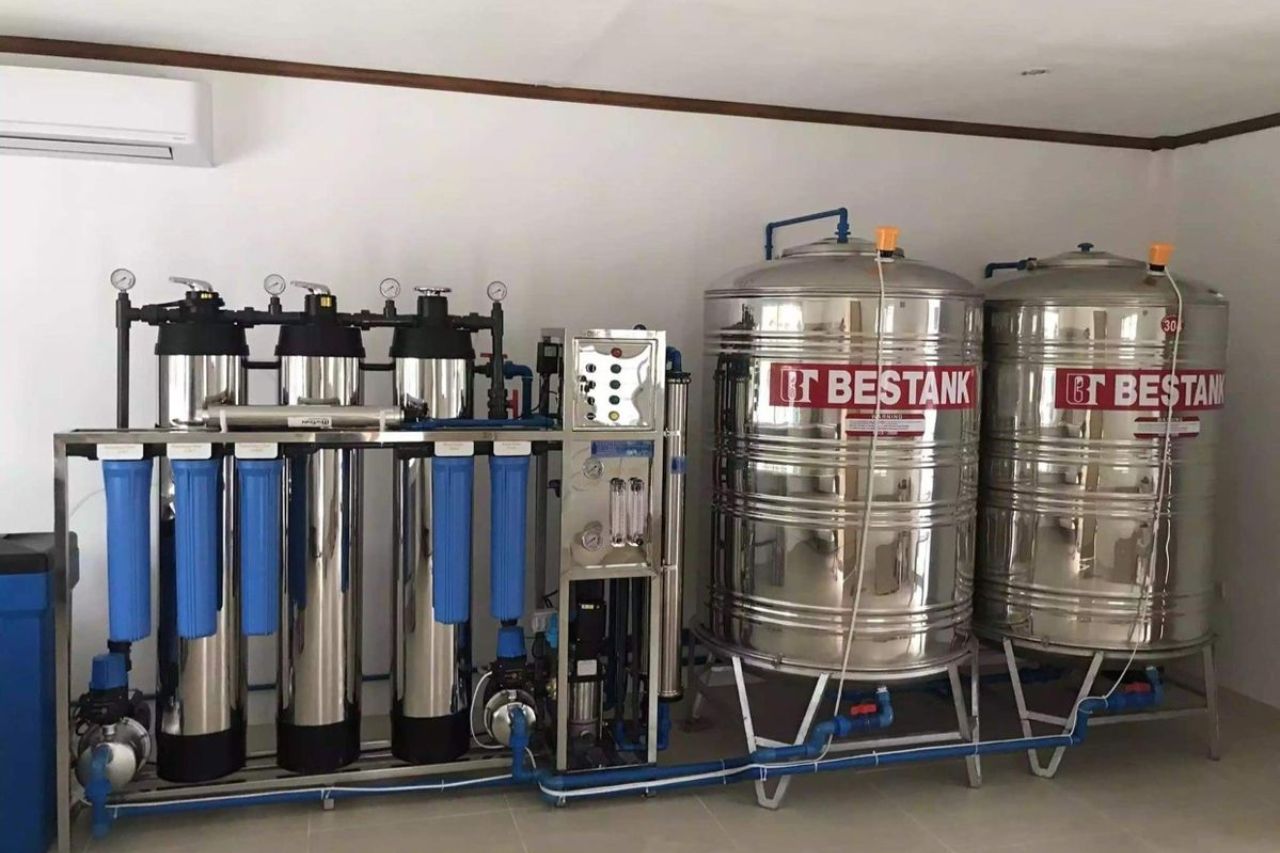
Depending on the situation, a centralized setup may include sediment filtration, activated carbon, multimedia filtration, water softening, or other treatment stages. Each component has a specific role. Sediment filtration can help capture particles, while carbon filtration is commonly used to address chlorine and certain taste or odour concerns.
The number of stages should therefore have a practical reason behind it. Adding unnecessary components can make the system more complicated and increase future maintenance. A professional assessment can help determine which combination makes sense for the property.
Planning the Installation
After the system has been selected, installation planning becomes important. Centralized equipment needs enough room not only to fit but also to be accessed later for cleaning, inspection, and filter replacement.
The installer may need to consider the location of the main water entry point, existing pipes, tanks, pumps, drains, and electrical connections where applicable. In some properties, plumbing modifications may be required before the filtration equipment can be connected properly.
What Happens During Installation?
The actual installation process will vary depending on the property and equipment, but it normally involves several stages. The area is prepared first, followed by installation of the filtration tanks, filter housings, valves, pipes, and supporting components.
The system is then connected to the property’s water supply. Once the connections are completed, the installer should check water flow, pressure, and joints carefully. The system may also need flushing before normal use, particularly when new filter media or components have been installed.
A final inspection helps identify leaks, poor connections, unusual pressure changes, or other issues before the system is placed into regular operation. This stage should not be rushed simply to finish the installation sooner.
Understanding the Cost
Centralized filtration costs can vary considerably from one property to another. The final price depends on more than the filtration equipment itself. Installation conditions, system capacity, pipework, filtration stages, and future servicing requirements can all affect the overall investment.
When comparing quotations, property owners should look beyond the initial number. It can be useful to ask:
- What equipment is included?
- How many filtration stages are provided?
- Are plumbing modifications included?
- How often are filters or media expected to be replaced?
- What maintenance services are available?
- Is there a warranty for the equipment or installation?
Clean & Healthy Water Starts with Professional Water Tank Service
Maintenance Is Part of the Process
One common mistake is treating installation as the final step. A centralized system still needs regular attention to continue working as intended. Filters and media have a service life, and their condition can depend on water quality and usage.
Routine maintenance may include filter replacement, tank cleaning, checking valves and connections, monitoring pressure, and inspecting the system for signs of wear. Some systems may also require periodic backwashing or other maintenance procedures.
Keeping a simple maintenance record can make this easier. Record the date of filter changes, servicing, and any problems noticed during use. This can help property owners spot patterns and avoid forgetting important maintenance.
Common Challenges to Expect
Even a well-planned project can encounter practical challenges. Older buildings may have limited space or plumbing that was not designed for a modern centralized system. High sediment levels can also cause filters to become dirty faster than expected.
Other issues may include:
- Limited access to the installation area
- Insufficient water pressure
- Incorrect system sizing
- Difficult pipe connections
- Unexpected plumbing repairs
- Delayed replacement of filter media
These challenges do not necessarily mean the project cannot proceed. They simply show why an assessment should happen before equipment is ordered. Identifying problems early gives the installer more opportunity to adjust the design.
Why Professional Installation Matters
Centralized filtration affects the property’s main water supply, so installation quality matters. An experienced service provider can assess the site, recommend suitable equipment, carry out the necessary connections, and explain how the system should be maintained.
The provider should also explain the system in practical terms. Property owners should know what each filtration stage does, what maintenance is required, and what signs may indicate that professional attention is needed.
Final Inspection and Ongoing Monitoring
Once installation is complete, the property owner should take some time to understand how the system operates. Check that water reaches the required areas, observe whether the pressure feels normal, and look around the connections for signs of leakage.
It is also worth asking for basic maintenance instructions and recommended replacement intervals. Actual replacement timing can vary, so following the equipment manufacturer’s guidance and the installer’s recommendations is more useful than relying on a fixed schedule for every property.
Conclusion
Building a centralized filtration setup is a project that involves more than installing filters. The property needs to be assessed, water requirements understood, suitable equipment selected, and installation planned around the existing plumbing. After that, regular maintenance and monitoring remain important parts of ownership.
For property owners looking for reliable water for your property, the main goal should be a filtration setup that fits actual needs rather than simply choosing the biggest or most complicated system. With sensible planning, professional installation, and consistent maintenance, a centralized filtration system can become a practical part of the property’s water management routine.