
What Happens If You Neglect Regular Water Tank Cleaning?
- August 19, 2026
- Water Tank, Water Tank Cleaning
Water tanks are essential for storing and supplying water in homes, offices, commercial buildings, factories, and other properties. However, without regular cleaning, dirt, sediment, microorganisms, and other contaminants can build up inside the tank. Over time, this can affect water quality, tank condition, and the performance of connected water systems.
Regular water tank cleaning helps maintain a cleaner storage environment and allows potential problems to be identified before they become more serious. Here are some common issues that can occur when water tank cleaning is neglected.
1. Sediment and Dirt Build-Up
Dust, sand, rust particles, and other debris can enter a water tank and settle at the bottom. If the tank is not cleaned regularly, these materials can accumulate and become difficult to remove.
When the water is disturbed, settled sediment may mix back into the water supply.
Common signs include:
- Visible particles in water
- Cloudy water
- Sediment at the bottom of the tank
- Reduced water clarity
Regular cleaning can help remove accumulated deposits before they become a bigger problem.
2. Microorganisms Can Multiply
A poorly maintained tank may provide conditions that support the growth of bacteria and other microorganisms. Sediment, organic matter, stagnant water, and warm conditions can contribute to microbial growth.
Although the level of risk varies depending on the water source and tank conditions, maintaining good tank hygiene is an important part of responsible water management.
Factors that may contribute include:
- Accumulated organic matter
- Poor tank maintenance
- Stagnant water
- Warm conditions
- Contaminated surfaces
If water quality is a concern, professional inspection or testing may be appropriate.
3. Unpleasant Odors May Develop
Water stored in a neglected tank may develop an unusual smell due to sediment, organic matter, or microbial activity. A persistent odor should not simply be ignored or covered up.
Cleaning the tank helps eliminate accumulated contaminants and maintain a cleaner storage environment.
4. Water Quality May Deteriorate
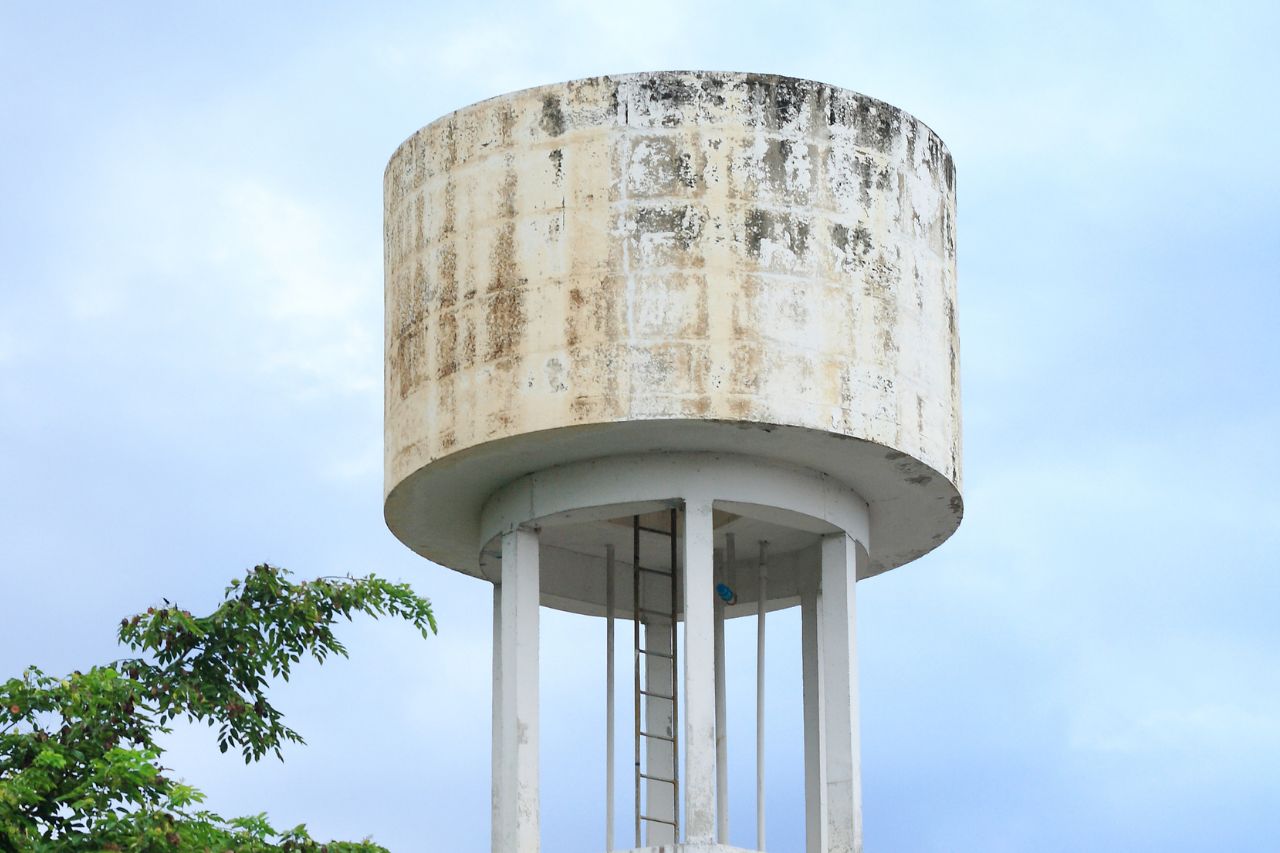
One of the main concerns with poor tank maintenance is declining water quality. Water may become cloudy, discolored, or develop an unusual taste or odor.
Possible warning signs include:
- Cloudiness
- Discoloration
- Visible particles
- Unusual smell
- Unusual taste
These issues can result from various factors, so a proper inspection is recommended before identifying the water tank as the main cause.
5. Algae Can Grow
Tanks exposed to light may be more susceptible to algae growth, particularly when cleaning and maintenance are neglected.
Algae buildup can change the appearance of stored water and create unpleasant smells. It can also become more difficult to remove when allowed to accumulate over time.
To reduce potential problems:
- Keep the tank properly covered
- Inspect covers and access points
- Reduce unnecessary light exposure
- Maintain a regular cleaning schedule
6. Tank Components Can Become Dirty
Cleaning should involve more than simply removing water from the tank. Internal surfaces, outlets, covers, pipes, valves, and other components may also collect dirt and deposits.
Neglected components can make maintenance more difficult and may affect the operation of the water system.
Areas to inspect include:
- Tank walls and base
- Water outlets
- Covers
- Valves
- Pipes and connections
Regular inspection can help identify damage, corrosion, or buildup early.
7. Pumps and Water Systems May Be Affected
Sediment and debris inside a tank can potentially move into connected pipes and water pumps. Depending on the system, this may contribute to reduced water flow, blockages, or additional equipment wear.
This can be particularly important for commercial buildings that rely on centralized water pumps and storage systems.
Potential problems include:
- Reduced water flow
- Blocked components
- Increased equipment wear
- Additional maintenance requirements
Keeping the tank clean can support the overall condition of the connected water system.
Clean & Healthy Water Starts with Professional Water Tank Service
8. Plumbing Issues May Increase
Debris from a poorly maintained tank can travel through the plumbing system. Over time, this may contribute to blocked outlets or reduced water flow. For larger buildings, problems can affect multiple floors or areas when the same storage tank supplies the entire property.
Regular cleaning can help reduce the amount of sediment and debris entering the plumbing system.
9. Maintenance Costs Can Increase
Skipping regular cleaning may appear to save money, but it can result in higher maintenance costs later. Severe buildup or equipment problems may require more extensive cleaning, repairs, or replacement.
Potential additional costs may involve:
- Deep cleaning
- Pump repairs
- Pipe maintenance
- Component replacement
- Professional inspection
A planned maintenance schedule can make costs easier to manage and reduce the likelihood of major problems.
10. Pest and Debris Contamination
A tank with damaged covers or poorly sealed access points may be more exposed to insects, leaves, dust, and other external debris.
Regular inspection can help identify damaged covers, gaps, or other entry points.
Check regularly for:
- Damaged covers
- Open access points
- Insects or pests
- Leaves and debris
- Cracks or damaged fittings
Keeping the tank properly covered is an important part of maintaining the storage area.
11. Health and Hygiene Concerns
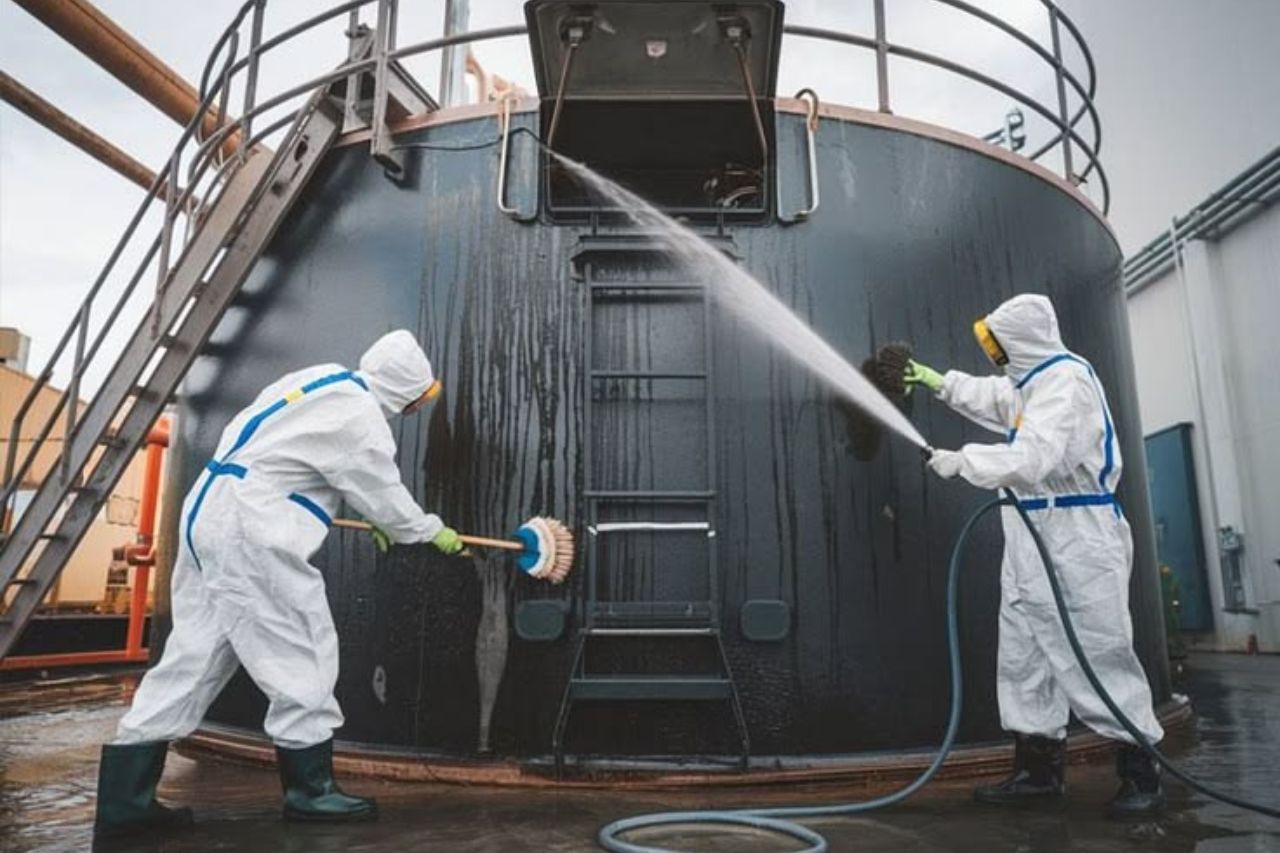
Water storage tanks should be maintained with hygiene in mind. A neglected tank may contain accumulated dirt, organic matter, microorganisms, or other contaminants.
The level of risk can vary depending on the water source, tank condition, type of contamination, and intended water use. However, maintaining a clean tank is an important preventive measure.
If there are concerns about water safety or possible contamination, seek advice from a qualified professional.
12. Building Maintenance Becomes More Difficult
Regular tank cleaning also provides an opportunity to inspect the condition of the tank and its components. Without routine maintenance, issues such as corrosion, leaks, damaged fittings, or deteriorating surfaces may go unnoticed.
For commercial properties, keeping records of cleaning and inspection dates can help property managers plan maintenance more effectively.
When Should a Water Tank Be Cleaned?
Cleaning frequency depends on several factors, including the tank’s size, water source, usage, environment, property type, and applicable requirements.
Consider arranging an inspection if you notice:
- Visible sediment
- Unusual odors
- Cloudy or discolored water
- Algae growth
- Reduced water flow
- Debris inside the tank
- Damaged covers or fittings
Property owners should also follow relevant regulations, manufacturer recommendations, and professional advice when establishing a cleaning schedule.
Conclusion
Neglecting regular water tank cleaning can cause sediment buildup, unpleasant odors, algae growth, water quality issues, plumbing problems, and damage to pumps or other equipment. Small issues can become more serious and costly when maintenance is delayed.
Property owners should schedule regular inspections, clean the tank when needed, check covers and fittings, monitor water quality, and address problems early. A consistent maintenance routine helps keep the tank cleaner, supports better system performance, and reduces unexpected repair costs.