
Water Tank Repair and Maintenance: DIY Solutions vs. Professional Services
- November 4, 2026
- Water Tank, Water Tank Repair, Service & Refurbishment
Water tanks are essential for maintaining a reliable water supply in residential, commercial, and industrial buildings. However, continuous use, environmental exposure, and aging materials can lead to problems such as leaks, corrosion, cracks, sediment buildup, and damaged fittings. These issues can affect water quality, tank performance, and structural integrity.
When problems arise, property owners must decide whether to handle maintenance themselves or hire professional water tank repair and maintenance services. While DIY solutions may reduce initial expenses, professional contractors offer specialized expertise, equipment, and repair methods for more complicated issues. Understanding the differences between these approaches helps property owners make informed decisions and maintain their water storage systems effectively.
1. Understanding DIY Water Tank Repair and Maintenance
DIY water tank maintenance involves performing basic inspections and maintenance tasks without hiring a professional contractor. These activities help property owners monitor tank conditions and identify early signs of deterioration.
Common DIY maintenance activities include:
- Visual inspections: Checking for visible cracks, leaks, rust, and damaged components.
- Removing external debris: Clearing dirt, leaves, and other debris around the tank.
- Checking fittings: Looking for loose connections and visible leaks around pipes and valves.
- Water Quality Monitoring: Checking for changes in water color, smell, or clarity.
- Checking water levels: Ensuring that float switches and water-level controls function properly.
These simple tasks help identify potential problems before they become more serious. However, property owners should avoid attempting structural repairs or entering enclosed tanks without appropriate training and safety equipment.
2. Benefits of DIY Water Tank Maintenance
DIY maintenance helps property owners monitor their water tanks while offering several benefits:
- Lower Maintenance Costs: Handling basic inspections and cleaning can reduce the need for frequent service visits. Property owners can save money by performing simple maintenance tasks themselves.
- Early Problem Detection: Regular visual inspections help identify warning signs such as minor leaks, surface rust, and unusual water discoloration. Early detection allows property owners to arrange repairs before problems worsen.
- Greater Maintenance Control: DIY maintenance gives property owners and facility managers flexibility to inspect their tanks regularly, document visible issues, and seek professional help when needed.
However, DIY maintenance may miss hidden structural damage or involve unsuitable repair materials, leading to further problems.
3. Common Water Tank Problems That Require Attention
Understanding common water tank problems helps property owners determine when basic maintenance is sufficient and when professional assistance becomes necessary.
Some frequent issues include:
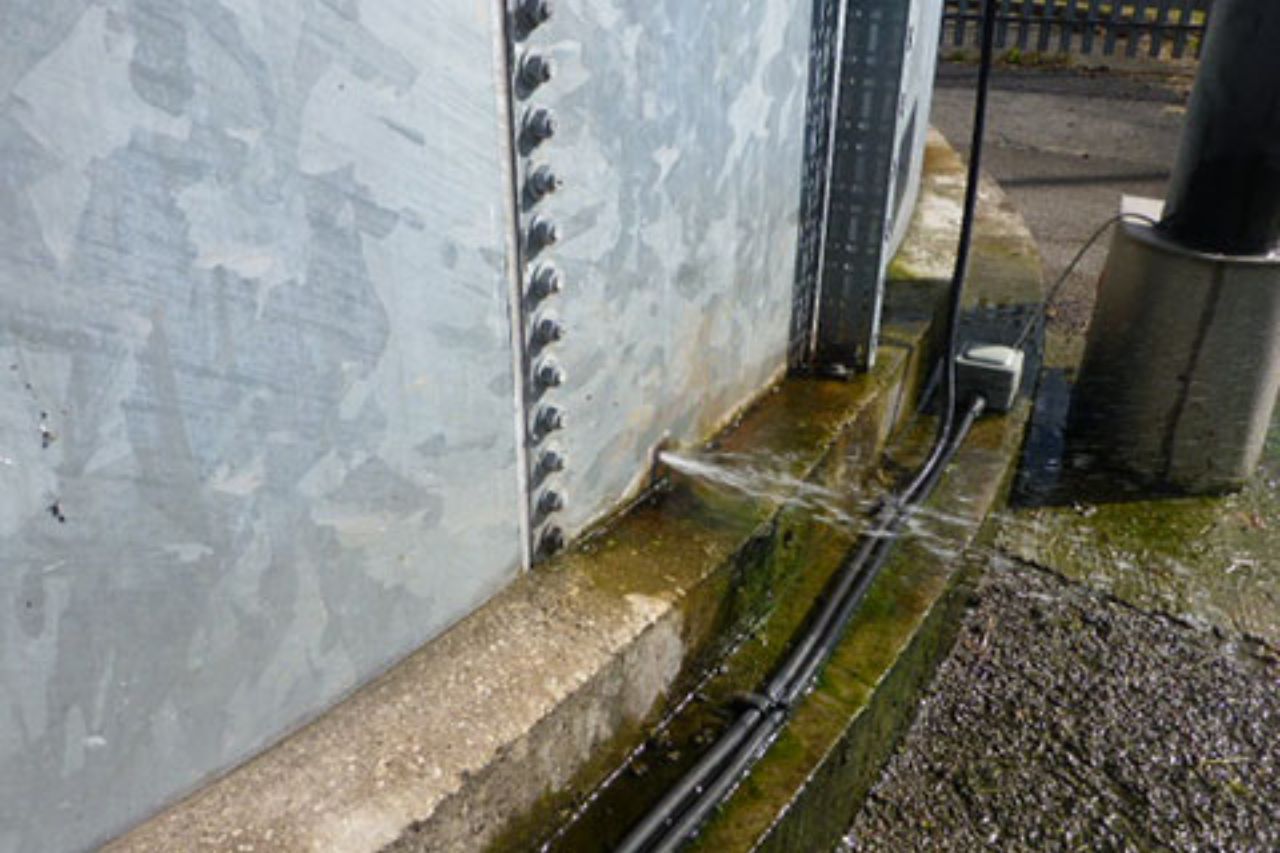
- Water leakage: Cracks, damaged joints, and deteriorated seals can cause water loss.
- Corrosion: Metal tanks can rust over time when exposed to moisture or when protective coatings deteriorate.
- Sediment buildup: Dirt, minerals, and other particles can accumulate at the bottom of the tank.
- Damaged waterproofing: Deteriorated coatings can allow water to penetrate tank surfaces.
- Faulty fittings: Damaged valves, pipes, and float switches can affect tank performance.
- Structural deterioration: Aging concrete, weakened supports, and extensive cracking may compromise tank stability.
While property owners can identify some problems through visual inspections, qualified professionals should assess significant damage and recommend suitable repair solutions.
4. Advantages of Professional Water Tank Repair Services
Professional water tank repair services help restore and maintain water storage systems. Experienced contractors use technical expertise, specialized equipment, and suitable materials to address various tank problems.
Key advantages include:
- Accurate Problem Assessment: Contractors inspect the tank to identify structural damage, corrosion, leaks, and waterproofing issues before recommending repairs.
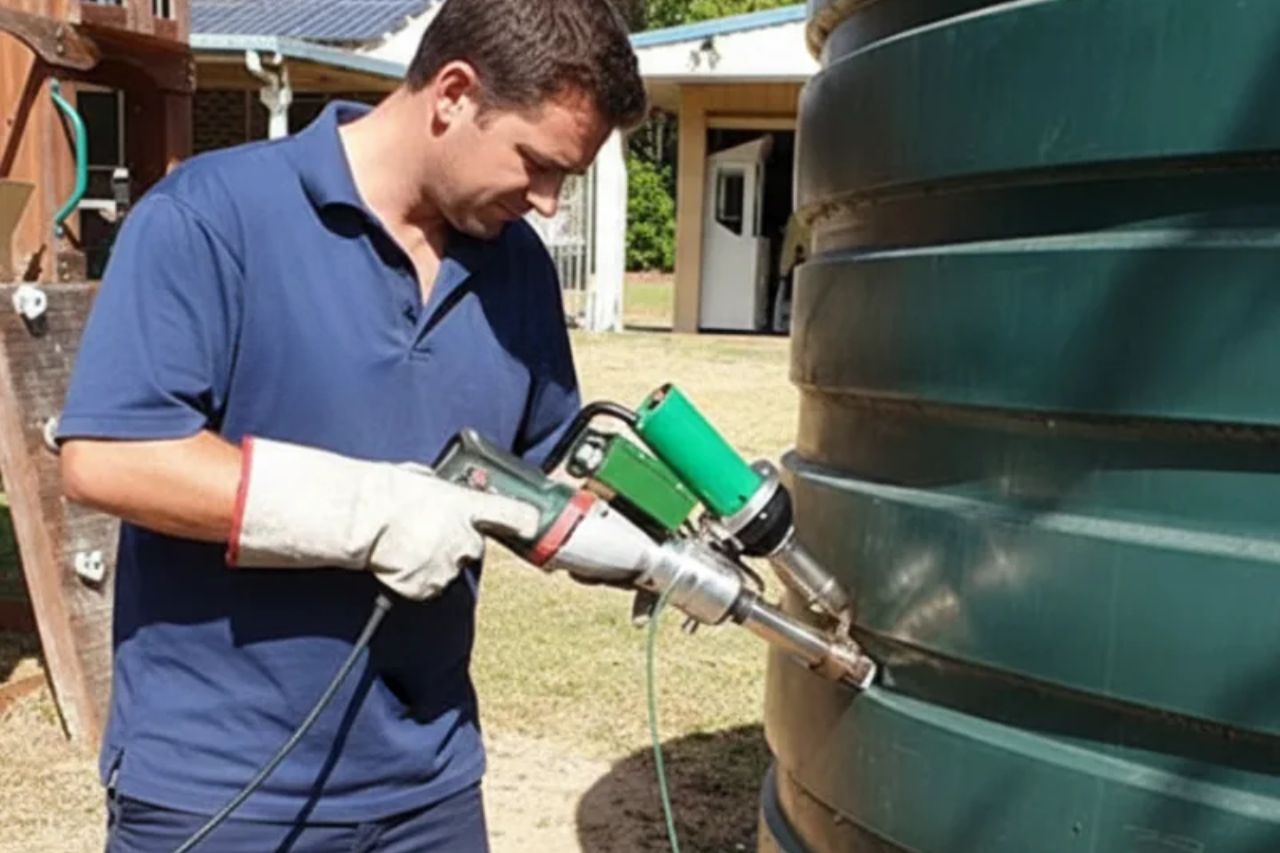
- Specialized Repair Techniques: Professionals use appropriate methods to repair cracks, seal joints, treat corrosion, and restore damaged surfaces.
- Quality Materials: Contractors select suitable repair mortars, waterproofing membranes, coatings, and sealants based on the tank material and intended use.
- Enhanced Safety: Professionals follow safety procedures when handling hazardous equipment, chemicals, and confined spaces.
- Long-Term Reliability: Proper repairs and quality inspections help prevent recurring problems and extend the tank’s service life.
Clean & Healthy Water Starts with Professional Water Tank Service
5. DIY Solutions vs. Professional Services: Key Differences
DIY maintenance and professional repair services differ in terms of cost, expertise, equipment, safety, and repair capabilities. While DIY solutions are suitable for basic upkeep, professional services provide more comprehensive solutions for complicated tank problems.
Here are the main differences to consider:
Cost and Budget
- DIY Maintenance: Requires lower initial expenses because property owners can handle basic inspections and cleaning themselves.
- Professional Services: Involve higher initial costs but provide specialized repairs that can help prevent recurring damage and expensive future maintenance.
Technical Expertise
- DIY Maintenance: Relies on basic maintenance knowledge and the property owner’s ability to identify visible problems.
- Professional Services: Use trained technicians and experienced contractors who understand different tank materials, structural conditions, and repair requirements.
Equipment and Repair Methods
- DIY Maintenance: Typically involves basic tools for simple cleaning and inspections.
- Professional Services: Use specialized equipment, repair materials, and waterproofing systems to address more complicated issues.
Inspection and Problem Detection
- DIY Maintenance: Focuses mainly on visible problems such as minor leaks, surface rust, and loose fittings.
- Professional Services: Conduct comprehensive assessments to identify structural defects, hidden leaks, corrosion, and waterproofing failures.
Safety and Reliability
- DIY Maintenance: May involve safety risks when property owners lack the necessary training and protective equipment.
- Professional Services: Follow appropriate safety procedures and use suitable equipment to manage repair activities.
Long-Term Results
- DIY Maintenance: Helps maintain the tank through regular upkeep but may not resolve underlying structural problems.
- Professional Services: Offer comprehensive repairs and refurbishment to improve tank performance and durability.
Overall, DIY maintenance is ideal for routine checks, while professionals are better suited for major damage and complex repairs.
6. When Should You Hire a Professional Contractor?
Knowing when to seek professional assistance helps property owners prevent further damage and unnecessary expenses. Certain problems require technical assessments and specialized repair methods that DIY solutions cannot adequately address.
Consider hiring a professional water tank repair contractor when you notice:
- Persistent water leakage despite basic maintenance.
- Extensive cracks or visible structural damage.
- Significant rust or corrosion on metal surfaces.
- Peeling or deteriorating waterproofing coatings.
- Repeated water contamination or unusual discoloration.
- Damaged pipes, valves, or other essential components.
- Water quality concerns that require professional investigation.
Professional inspections are particularly important for commercial and industrial properties, where tank failures can disrupt building operations, affect occupants, and increase maintenance expenses.
Conclusion
DIY water tank maintenance and professional repair services both play important roles in maintaining reliable water storage systems. While property owners can handle basic inspections and minor maintenance tasks, complex issues such as structural cracks, persistent leaks, corrosion, and waterproofing failures require professional attention.
The right approach depends on the tank’s condition, the severity of the damage, and the expertise required. By combining regular DIY inspections with professional servicing when necessary, property owners can prevent major deterioration, control maintenance expenses, and extend their tanks’ service life.
Ultimately, investing in professional water tank repair and maintenance helps protect essential water storage infrastructure while supporting a safe, clean, and dependable water supply.