
Water Tank Refurbishment: Ensuring Clean, Safe, and Reliable Water Storage
- September 13, 2025
- Water Tank Repair, Service & Refurbishment
Water tanks are vital infrastructure for homes, commercial buildings, and industrial facilities in Malaysia. They provide a steady supply of water for drinking, cleaning, and operational needs. However, over time, tanks can deteriorate due to environmental factors, usage and material wear. Without proper maintenance, these tanks can become a source of contamination or even structural failure. This is where water tank refurbishment plays a critical role.
In this article, we will explore what water tank refurbishment means, why it is matters, the repair process, and how property owners in Malaysia can ensure their tanks remain clean, safe, and reliable.
Why Water Tank Refurbishment Matters
Water tanks, regardless of size or material, are subject to wear and tear over time. Neglecting them can lead to:
- Corrosion and Rust: Metal tanks, especially those made of steel and iron, are prone to rust, which can contaminate the water and weaken the tank’s structure.
- Cracks and Leaks: Concrete or plastic tanks can develop cracks from temperature fluctuations, settling, or physical damage.
- Algae and Biofilm Accumulation: Stagnant water or poor maintenance can encourage algae growth and biofilm formation, reducing water quality.
- Reduced Water Capacity: Sediment buildup at the bottom reduces usable storage capacity, affecting water supply efficiency.
Refurbishment restores the tank’s functionality, prevents contamination, and prolongs its lifespan, saving property owners from costly replacements.
Common Signs Your Water Tank Needs Refurbishment
Identifying issues early is crucial to preventing bigger problems. Property owners should watch for these signs:
- Visible rust or corrosion on the tank surface.
- Cracks, leaks, or water seepage around the tank.
- Persistent cloudy, discolored, or foul-smelling water.
- Frequent maintenance problems despite regular cleaning.
- Reduced water flow or storage capacity.
If any of these signs appear, it is time to consider professional water tank refurbishment.
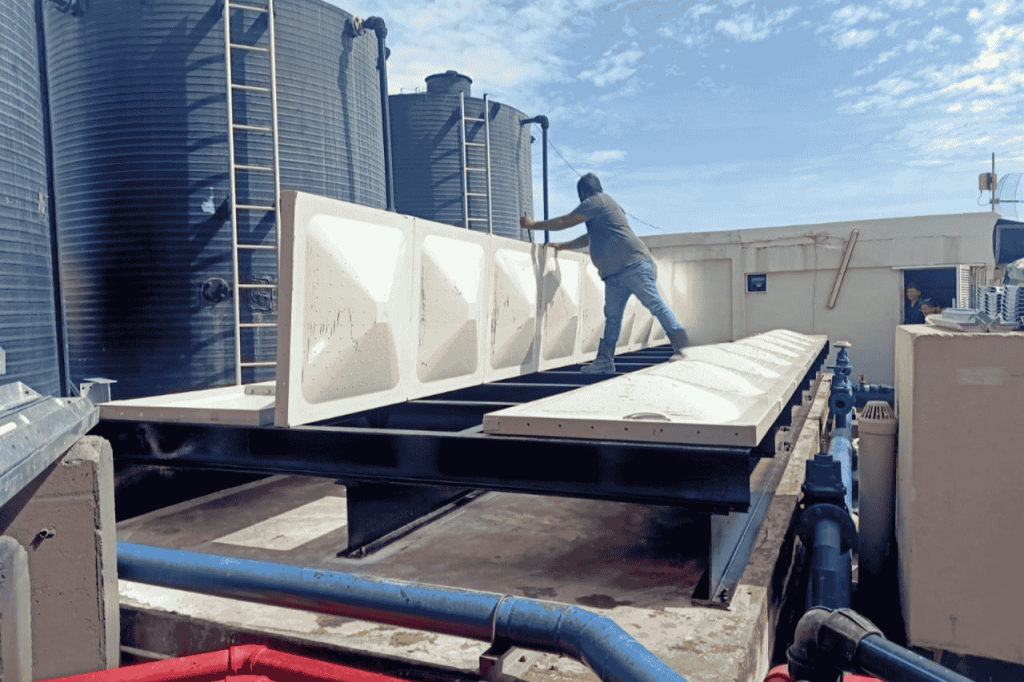
Water Tank Refurbishment vs. Cleaning
It’s important to distinguish between and refurbishment:
- Cleaning focuses on removing dirt, sediment, algae, and bacteria from the tank.
- Usually, after tank cleaning, refurbishment addresses structural integrity, surface degradation, and protective coatings.
Refurbishment is a more comprehensive approach, ensuring both hygiene and durability.
The Water Tank Refurbishment Process
Professional refurbishment typically follows a structured process to restore tanks to optimal condition. Here’s what property owners can expect:
1. Inspection and Assessment
Before refurbishment, a thorough inspection identifies:
- Structural damage (cracks, corrosion, leaks)
- Internal contamination (sediment, algae, rust)
- Areas requiring surface repair or protective lining
This assessment helps determine the most appropriate refurbishment methods and materials.
2. Draining and Cleaning
The tank has been completely drained, and all the water has been removed. Cleaning removes sediment, algae, and rust, preparing the surface for repair and coating.
3. Surface Repair
Depending on the tank material:
- Patching and crack sealing may be necessary for concrete tanks.
- Metal tanks may need rust removal and welding of damaged sections.
- Plastic or HDPE tanks may involve patching or lining with reinforced materials.
4. Protective Lining Application
Applying a protective lining is a crucial step:
- Steel tanks can be coated with epoxy or polyurethane to prevent corrosion.
- HDPE lining offers a durable, food-grade barrier that prolongs tank life.
- Waterproof cementitious coatings for concrete tanks prevent leakage and improve hygiene.
5. Disinfection and Testing
Once refurbishment is complete, the tank is disinfected with safe chemicals to ensure water quality. Pressure tests can be conducted to check for leaks and structural integrity.
6. Refilling and Handover
The tank is refilled with clean water, and the refurbishment company provides maintenance recommendations to ensure long-term performance.
Benefits of Water Tank Refurbishment
Refurbishing your water tank offers numerous advantages:
- Improved Water Quality: Removing rust, sediment, and algae ensures the water remains clean and safe for consumption.
- Extended Tank Lifespan: Protective linings and repairs prevent further degradation, reducing the need for tank replacement.
- Cost Efficiency: Refurbishment is often more affordable than installing a new tank, especially for large commercial or industrial tanks.
- Regulatory Compliance: Maintaining structural integrity and hygiene helps meet local health and safety standards.
- Reliable Water Supply: A refurbished tank maintains a consistent storage capacity, ensuring an uninterrupted water supply for households or business operations.
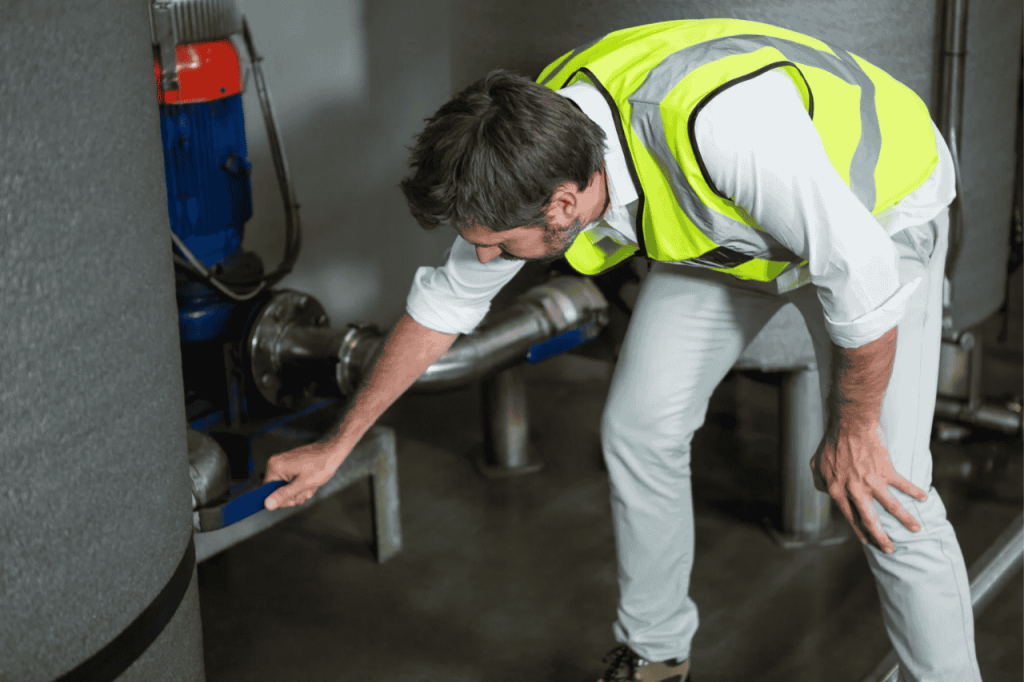
Choosing the Right Refurbishment Service in Malaysia
Selecting a professional service is critical for effective results. Consider these factors:
- Experience and Expertise: Look for companies specializing in tank refurbishment with proven track records.
- Material Knowledge: Ensure the service provider understands the different tank materials (concrete, steel, HDPE) and uses appropriate techniques.
- Safety and Compliance: The company should adhere to Malaysian regulations and use food-grade, non-toxic materials.
- Comprehensive Services: Some providers offer inspection, cleaning, minor repairs, lining, and disinfection in one package.
- Transparent Pricing: Obtain a detailed quotation, including material costs and labor, to avoid unexpected charges.
Preventive Measures After Refurbishment
After refurbishment, property owners should adopt preventive practices to maintain tank quality:
- Schedule regular cleaning every 6–12 months, depending on usage.
- Keep the tank covered and shaded to reduce algae growth.
- Inspect for leaks or cracks periodically.
- Consider installing filtration systems to reduce sediment accumulation.
- Follow the refurbishment company’s maintenance recommendations.
These measures help maximize the tank’s lifespan and maintain water quality.
Cost of Water Tank Refurbishment in Malaysia
Refurbishment costs vary based on tank size, material, and condition:
- Small residential tanks: RM500 – RM2,000
- Medium commercial tanks: RM2,000 – RM5,000
- Large industrial tanks: RM5,000 – RM15,000 or more
While refurbishment requires investment, it is more economical than a full replacement and reduces potential water contamination risks.
Final Thoughts
Water tank refurbishment is essential for ensuring clean, safe, and reliable water storage. In Malaysia’s humid climate, neglecting tanks can lead to corrosion, contamination, and costly repairs. By understanding the signs of deterioration, following professional refurbishment processes, and implementing preventive measures, property owners can safeguard water quality and extend the lifespan of their tanks.
Whether you own a home, manage a commercial property, or operate an industrial facility, regular water tank refurbishment ensures that you continue to enjoy a safe, efficient, and uninterrupted water supply. Investing in refurbishment today can prevent bigger problems tomorrow, protecting both your property and your health.