
Water Tank HDPE Lining vs Traditional Coatings: What You Need to Know
- January 7, 2026
- HDPE Lining Services, Water Tank
Water storage tanks are essential for homes, commercial buildings, and industrial facilities. They ensure a reliable water supply, support daily operations and store water safely. However, without proper internal protection, tanks can deteriorate over time, leading to leaks, corrosion, contamination, and costly repairs. Two popular methods for protecting water tanks are and traditional coatings. Each has unique advantages and limitations, making it crucial to understand their differences before deciding which solution best suits your needs.
This article examines the features, advantages, and key considerations of HDPE linings and traditional coatings, guiding property owners toward effective, long-lasting water tank protection.
Why Water Tank Protection Is Important
Water tanks are constantly exposed to moisture, temperature changes, and, in some cases, chemical contamination. Without adequate protection, tanks may suffer:
- Leaks and cracks that reduce storage efficiency and cause water loss
- Corrosion, especially in steel or metal tanks
- Chemical contamination that affects water quality
- Structural deterioration, compromising the tank’s longevity
Proper internal protection—through HDPE lining or coatings—creates a barrier between the water and the tank material, ensuring safety, durability, and long-term reliability.
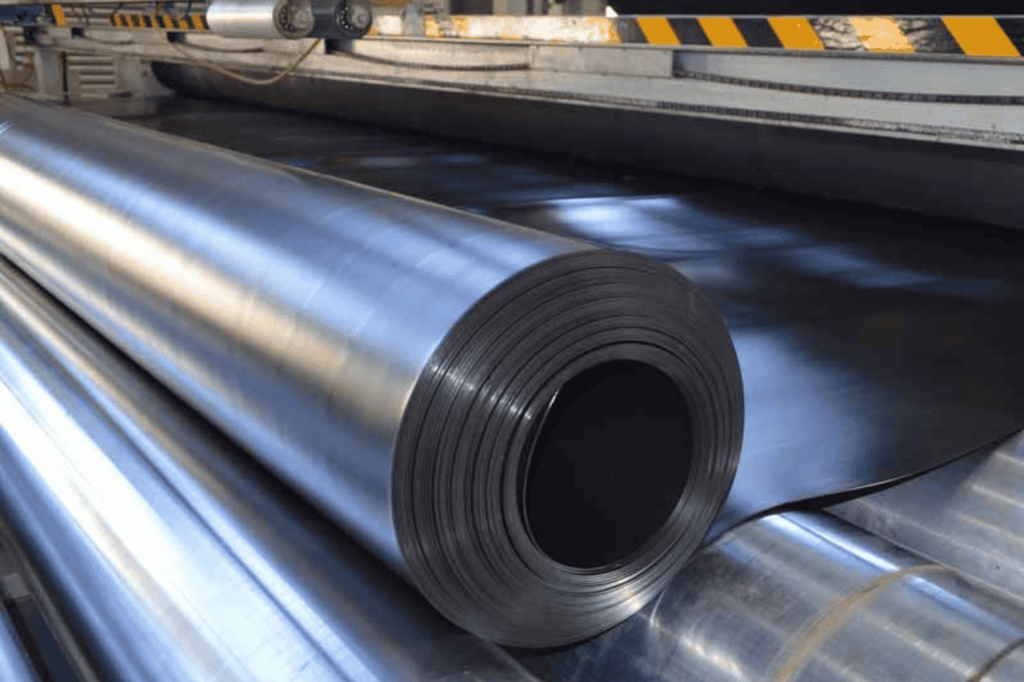
What is HDPE Lining?
HDPE lining is a type of thermoplastic material used to line the interior of water tanks. It is strong, flexible, and highly resistant to chemicals and abrasion. HDPE sheets are welded together to form a continuous, seamless barrier, significantly reducing the risk of leaks.
Key Benefits of HDPE Lining
- High Durability: Resistant to abrasion, corrosion, and chemical exposure.
- Seamless Protection: Welded sheets create a continuous lining with minimal joints.
- Low Maintenance: Once installed, HDPE linings require very little upkeep.
- Safe for Potable Water: Non-toxic and does not leach harmful chemicals.
- Flexible: Can accommodate slight structural movements or expansion in the tank.
HDPE lining is suitable for large industrial tanks, municipal water storage, and tanks storing chemicals or wastewater, where durability and leak prevention are crucial.
Understanding Traditional Coatings
Traditional coatings include epoxy, polyurethane, and cementitious coatings. These liquid-applied materials form a protective layer when applied to the tank’s interior.
Key Benefits of Traditional Coatings
- Ease of Application: Traditional coatings can be easily applied using brushes, rollers, or spray equipment.
- Lower Initial Cost: Installation is generally less expensive than HDPE lining.
- Variety of Options: Different coatings can be selected depending on tank material and water type.
- Repairable: Areas that sustain damage can often be repaired by recoating, avoiding the cost of a full lining replacement.
For residential and small commercial tanks, traditional coatings remain a popular choice due to their ease of use, suitability for moderate conditions, and cost-effectiveness.
Clean & Healthy Water Starts with Professional Water Tank Service
Performance Comparison: HDPE Lining vs Traditional Coatings
While both HDPE linings and traditional coatings serve to protect water tanks, their performance differs in several key areas:
- Durability: HDPE linings are highly durable, with long service life even under harsh conditions. Traditional coatings can deteriorate over time, particularly when exposed to chemicals or prolonged UV light.
- Seamless Protection: HDPE offers a continuous barrier with minimal joints, reducing leak risks. Coatings typically require multiple layers, which can sometimes result in pinholes or uneven coverage.
- Maintenance: HDPE requires little maintenance once installed. Coatings may need regular inspections and reapplication to maintain effectiveness.
- Water Safety: HDPE is non-toxic and suitable for potable water. Coating safety depends on the type and quality; some require certification for safe drinking water.
- Cost: HDPE lining has a higher upfront cost but lower long-term maintenance. Traditional coatings are cheaper initially but may require more frequent maintenance.
When to Choose HDPE Lining
HDPE lining is the preferred choice in situations where long-term durability, chemical resistance, and leak prevention are top priorities. Common scenarios include:
- Large industrial or municipal water tanks
- Tanks storing chemicals, wastewater, or aggressive liquids
- Tanks in harsh environmental conditions, such as high temperature or UV exposure
- Situations where minimal maintenance is desired
Although initial costs are greater, the lasting benefits in terms of durability, leak prevention, and reduced maintenance make HDPE lining a cost-effective choice for major or high-risk installations.
When to Choose Traditional Coatings
Traditional coatings are better suited for smaller or less demanding tanks, such as residential and light commercial water storage. Situations where coatings are practical include:
- Smaller tanks that are easy to access and maintain
- Potable water storage with minimal chemical exposure
- Tanks with budget constraints, where the initial cost is a factor
- Temporary or short-term solutions where quick application is required
Coatings offer an easy-to-apply and cost-effective solution, especially when tanks are regularly monitored and maintained.
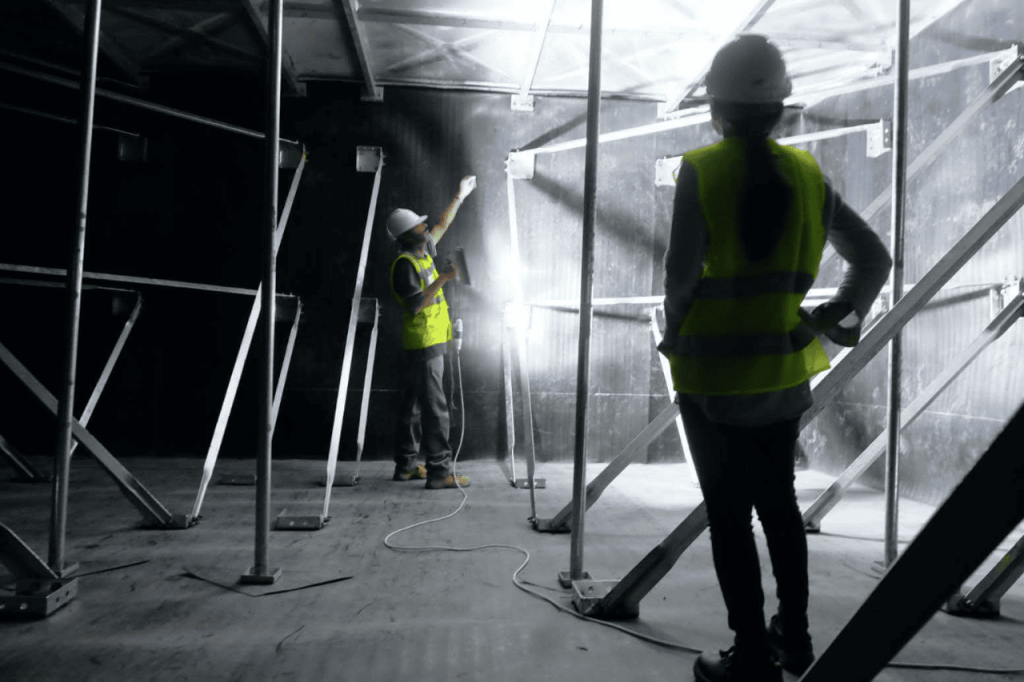
Factors to Consider When Choosing a Solution
Before selecting between HDPE lining and traditional coatings, consider the following factors:
- Tank Material: HDPE linings work with steel, concrete, and FRP tanks, while some coatings may adhere better to specific materials.
- Water Type: The chemical composition, pH level, and intended use of the water influence the selection of the appropriate protective material.
- Environmental Conditions: Exposure to UV light, temperature fluctuations, and structural movement can impact coating performance.
- Maintenance Capacity: Determine whether regular inspections and reapplications are feasible, or if low-maintenance solutions are preferable.
- Budget & Lifecycle Costs: Evaluate both upfront installation cost and long-term maintenance expenses to determine overall value.
The Importance of Professional Installation
Both HDPE and traditional coatings require proper surface preparation and skilled application. Professional installation ensures:
- Correct cleaning and surface treatment before application
- Seamless welding of HDPE sheets for leak-proof performance
- Proper thickness, curing, and coating techniques
- Compliance with potable water safety standards
- Long-term warranty and reliable performance
Poor installation, even with high-quality materials, can lead to early failure, leaks, and water contamination.
Maintenance Tips for Water Tank Protection
Regular maintenance is essential to extend the life of water tank linings and coatings:
- Inspect tanks every 6–12 months for cracks, leaks, or discoloration
- Clean tanks periodically to remove sediment, biofilm, and debris
- Repair minor damage immediately before it worsens
- Follow manufacturer guidelines for recoating or relining
Consistent maintenance ensures safe water storage, preserves structural integrity, and prevents costly repairs.
Conclusion
Protecting your water tank is crucial for durability, water quality and long-term reliability. HDPE linings offer seamless, low-maintenance, and highly durable protection, making them ideal for industrial, municipal, and high-demand applications. Traditional coatings provide a practical and cost-effective solution for smaller tanks and less challenging conditions.
Selecting the right method depends on water tank size, water type, environmental conditions, maintenance capacity, and budget. By engaging professional contractors and following proper maintenance practices, water tank owners can prevent leaks, contamination, and structural damage, safeguarding their investment for years to come.
Investing in proper water tank protection today ensures reliable performance and peace of mind tomorrow.