
The Role of a Building Waterproofing Contractor in Malaysia in Preventing Structural Deterioration
- July 2, 2026
- Building Waterproofing
Water is one of the most persistent and damaging elements affecting buildings over time. In Malaysia’s tropical climate, where heavy rainfall, high humidity, and frequent storms are common, buildings are constantly exposed to moisture-related risks. If left unprotected, water intrusion gradually damages structural elements, shortens building lifespan, and increases repair costs.
This is where a building waterproofing contractor in Malaysia plays a crucial role. By applying specialized waterproofing systems and preventive maintenance solutions, these professionals help protect buildings from long-term structural deterioration. Their work goes beyond simple leak repair—it involves safeguarding the entire building envelope, from roofs and walls to basements and foundations.
Understanding Structural Deterioration Caused by Water
Structural deterioration occurs when water penetrates building materials and gradually weakens their integrity. Over time, even small amounts of moisture can lead to significant damage.
Common effects of water intrusion include:
- Concrete spalling and cracking
- Rust and corrosion in steel reinforcements
- Mold and mildew growth
- Paint peeling and surface staining
- Weakening of foundations and slabs
- Reduced load-bearing capacity
In serious situations, long-term water intrusion may weaken the structure and affect building safety. This is why waterproofing is considered a critical part of building maintenance rather than an optional upgrade.
The Importance of Waterproofing in Malaysia’s Climate
Malaysia experiences heavy rainfall throughout the year, especially during monsoon seasons. High humidity further increases constant exposure to moisture from both external and internal sources.
Key environmental challenges include:
- Prolonged rainfall periods
- Flash floods in urban areas
- High humidity leading to condensation
- Rapid temperature changes causing material expansion and contraction
These conditions accelerate wear and tear on building materials. Without proper waterproofing systems in place, water can easily seep into roofs, walls, basements, and service areas.
A professional waterproofing contractor understands these local conditions and designs solutions tailored specifically to Malaysia’s environment.
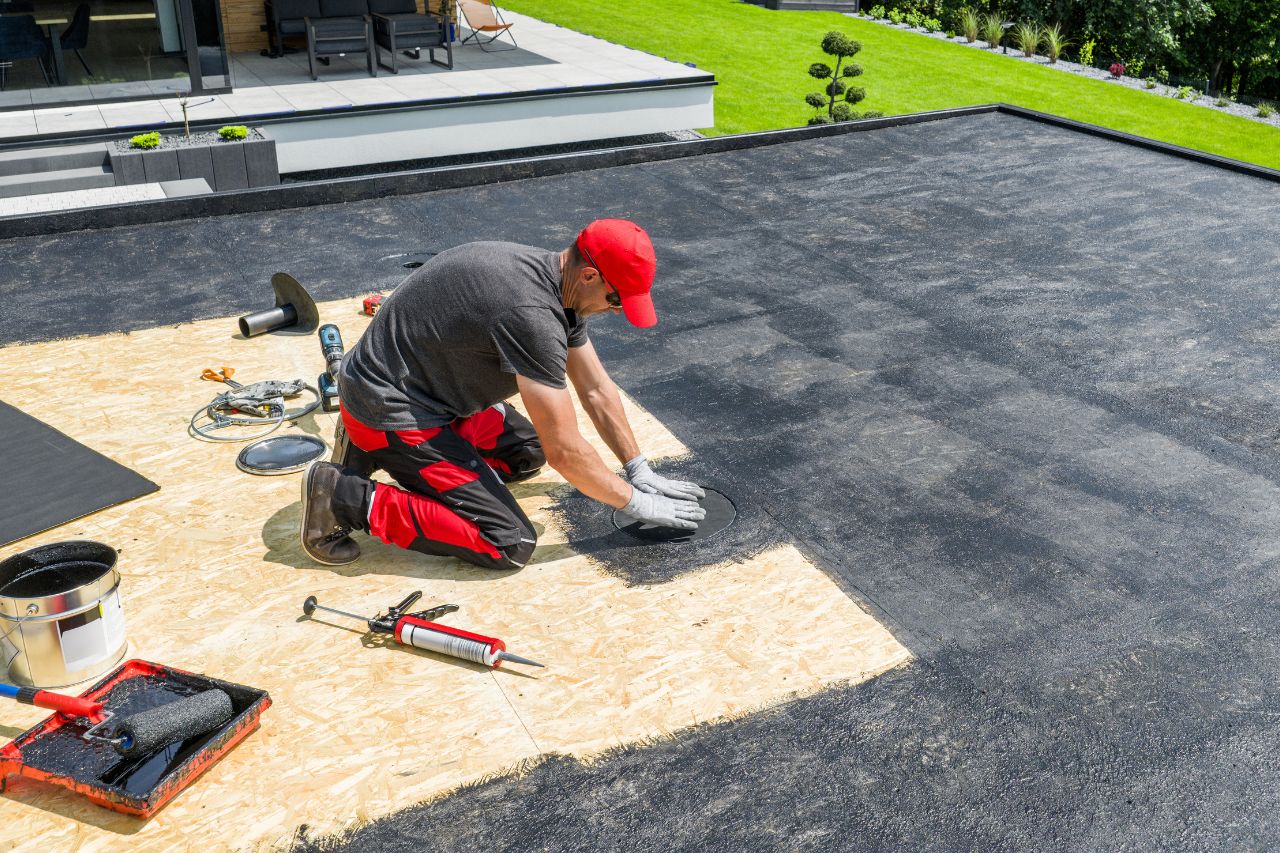
Key Responsibilities of a Building Waterproofing Contractor Malaysia
A building waterproofing contractor provides a wide range of services to prevent and manage water intrusion.
1. Building Inspection and Assessment
The first step in any waterproofing project is a thorough inspection. Contractors assess:
- Existing leak sources
- Structural weaknesses
- Surface conditions
- Drainage systems
- Previous waterproofing failures
This helps identify both visible and hidden issues before recommending a solution.
2. Roof Waterproofing Systems
Roofs are one of the most vulnerable parts of any building. Contractors apply waterproof membranes and coatings to prevent rainwater penetration.
Common roof waterproofing methods include:
- Liquid-applied membranes
- Bituminous coatings
- PU (polyurethane) waterproofing
- Cementitious coatings for flat roofs
Proper roof waterproofing prevents leaks, ceiling damage, and internal water stains.
3. Basement and Foundation Protection
Basements are highly susceptible to groundwater seepage and hydrostatic pressure.
Waterproofing contractors use techniques such as:
- Crystalline waterproofing systems
- Membrane sheet installation
- Injection grouting for cracks
- Drainage system integration
These methods help protect the foundation and prevent long-term structural weakening.
4. Wall and Facade Waterproofing
Exterior walls are constantly exposed to rain and wind-driven moisture. Over time, water can penetrate through cracks and porous surfaces.
Contractors apply:
- Protective sealants
- Elastomeric coatings
- Crack injection solutions
- Water-repellent treatments
This helps maintain both structural strength and building aesthetics.
5. Bathroom and Wet Area Waterproofing
Internal wet areas such as bathrooms, kitchens, and utility rooms require specialized waterproofing.
Contractors typically install:
- Cementitious waterproof coatings
- Waterproof membranes under tiles
- Proper sealing around joints and drainage points
This prevents leakage into lower floors and structural slabs.
6. Water Tank and Service Area Waterproofing
Water storage systems and mechanical rooms also require protection from leakage and moisture buildup.
Services may include:
- Internal tank lining systems
- Joint sealing and reinforcement
- Protective coatings for service areas
This helps ensure water systems remain safe and free from contamination.
Clean & Healthy Water Starts with Professional Water Tank Service
How Waterproofing Prevents Structural Deterioration
Waterproofing is not just about stopping leaks—it actively preserves the structural integrity of buildings.
Prevents Concrete Damage
Waterproofing prevents moisture from entering concrete structures, reducing risks of:
- Cracks
- Spalling
- Loss of strength
Protects Steel Reinforcement
When water reaches steel reinforcements, corrosion begins. Waterproofing acts as a barrier that prevents rust formation and structural weakening.
Reduces Maintenance Costs
Early waterproofing reduces the need for frequent repairs, saving long-term maintenance costs for building owners.
Improves Indoor Environment
By preventing leaks and dampness, waterproofing helps maintain:
- Better air quality
- Reduced mold growth
- More comfortable living and working spaces
Extends Building Lifespan
A well-waterproofed building lasts significantly longer due to reduced exposure to moisture-related damage.
Common Waterproofing Problems in Malaysian Buildings
Despite its importance, many buildings in Malaysia still face waterproofing issues due to poor workmanship or lack of maintenance.
Common problems include:
- Inadequate surface preparation
- Use of low-quality materials
- Incorrect application methods
- Poor drainage design
- Aging waterproofing systems
These issues often lead to recurring leaks and escalating repair costs if not addressed properly.
Signs That Waterproofing Is Needed
Building owners and facility managers should look out for warning signs such as:
- Water stains on ceilings or walls
- Persistent dampness or moisture
- Mold or mildew growth
- Cracks in concrete surfaces
- Peeling paint or plaster
- Basement seepage or flooding
Early detection allows for timely intervention and prevents more serious structural issues.
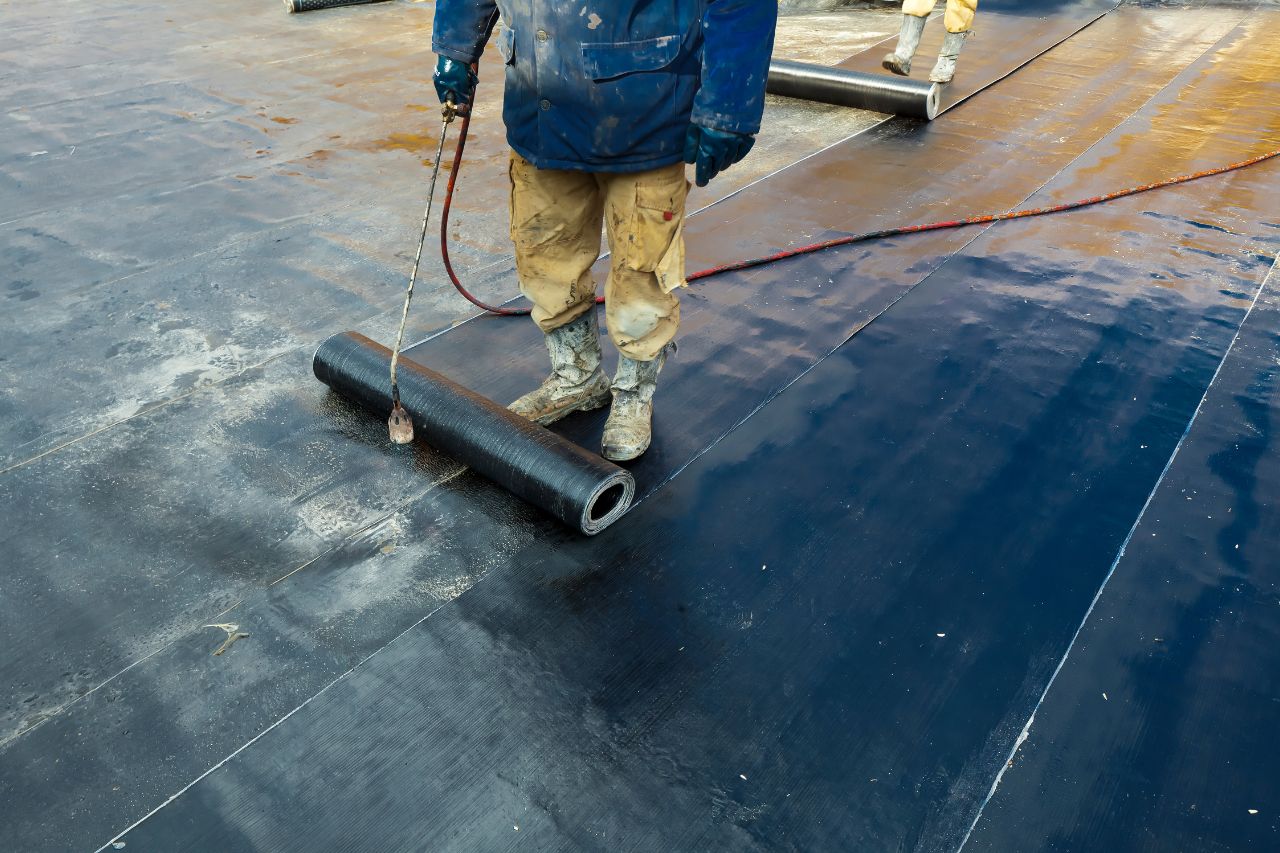
Benefits of Hiring a Professional Waterproofing Contractor
Engaging a professional building waterproofing contractor in Malaysia ensures that waterproofing work is done correctly and effectively.
Key benefits include:
- Expert diagnosis of leakage sources
- Use of industry-grade materials
- Proper installation techniques
- Long-lasting waterproofing solutions
- Compliance with building standards
- Reduced risk of recurring issues
Professional contractors also provide maintenance services to ensure continued protection.
Preventive Waterproofing vs Reactive Repairs
Many property owners only address waterproofing issues after leaks appear. However, preventive waterproofing is far more effective and cost-efficient.
Preventive waterproofing:
- Reduces risk of structural damage
- Lowers long-term repair costs
- Ensures continuous protection
- Minimizes operational disruptions
Reactive repairs, on the other hand, often involve higher costs and more extensive damage restoration.
Conclusion
A building waterproofing contractor in Malaysia plays a vital role in protecting structures from long-term water damage and deterioration. Through specialized techniques applied to roofs, basements, walls, wet areas, and water systems, these professionals help ensure buildings remain safe, durable, and functional.
In Malaysia’s challenging climate, waterproofing is not optional—it is essential. By investing in professional waterproofing services, building owners can prevent structural deterioration, reduce maintenance costs, and extend the lifespan of their properties.
Ultimately, proactive waterproofing is one of the most effective strategies for preserving both the safety and value of any building.