
Signs You Need an Experienced Building Waterproofing Contractor
- February 19, 2026
- Building Waterproofing
Waterproofing is one of the most critical aspects of building maintenance and construction. Proper waterproofing protects structures from water damage, mold, and structural deterioration, while also preserving the safety and comfort of occupants. Yet, many property owners underestimate the importance of hiring an experienced building waterproofing contractor. DIY solutions or inexperienced contractors may seem cheaper initially, but they often lead to recurring problems, higher costs, and long-term structural issues. Recognizing the signs that professional intervention is necessary can save time, money, and stress.
1. Persistent Water Leaks
The most obvious indicator that you need a professional waterproofing contractor is the presence of persistent water leaks. These leaks may appear on walls, ceilings, basements, or roofs and often indicate that existing waterproofing measures are failing.
Common signs of water leaks include:
- Damp or wet patches on walls or ceilings
- Dripping or pooling water in basements or foundations
- Stains or discoloration on walls and ceilings
- Unexplained mold or mildew growth
An experienced contractor can accurately diagnose the source of the leak, whether it’s due to cracks, poor sealing, or failed membranes, and apply the correct solution to prevent further damage.
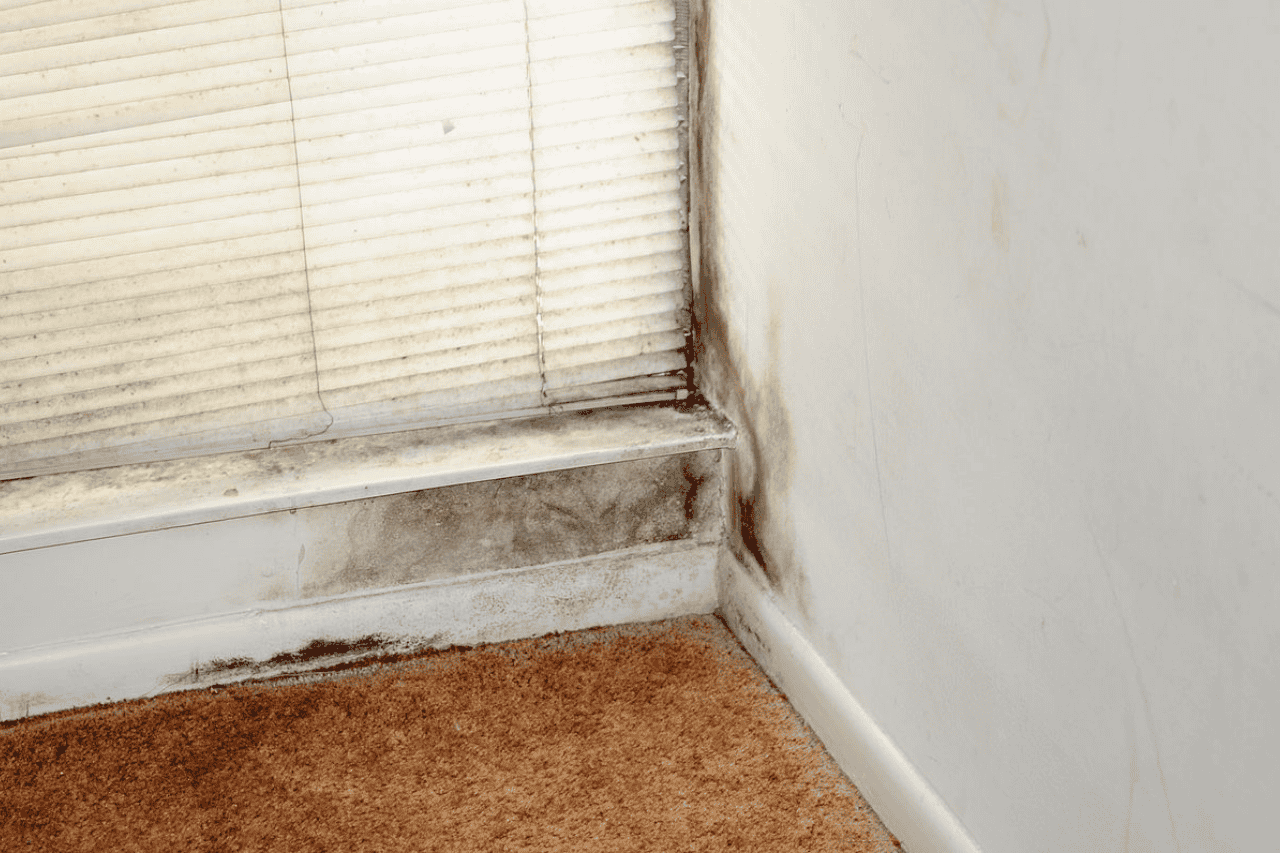
2. Mold and Mildew Growth
Fungus and mildew thrive in moist environments, often appearing when waterproofing fails. Their presence not only damages surfaces but also poses serious health risks to occupants.
Signs of mold or mildew problems include:
- Musty odors in enclosed areas
- Visible black, green, or white patches on walls, ceilings, or floors
- Allergic reactions or respiratory discomfort in residents
- Discoloration or peeling of the paint
A professional waterproofing contractor can identify the underlying moisture source and apply solutions such as wall coatings, sealants, or damp-proof membranes to eliminate the problem permanently.
3. Cracks in Walls, Floors, or Foundations
Cracks are not only an aesthetic issue; they often indicate water intrusion or structural stress. While small hairline cracks may seem harmless, they can allow water to seep in and gradually worsen over time.
Signs that indicate professional waterproofing is needed:
- Horizontal or stair-step cracks in brick or concrete walls
- Cracks in basement floors or slabs
- Widening cracks over time despite previous repairs
- Water stains or efflorescence (white mineral deposits) along cracks
Experienced contractors can evaluate whether cracks are superficial or structural, recommend the correct repair method, and apply waterproofing measures to prevent future damage.
4. Damp or Musty Basements
Basements and lower-level floors are particularly vulnerable to water intrusion due to their proximity to soil and groundwater. Persistent dampness often signals that the building’s waterproofing system is inadequate.
Common basement issues include:
- Condensation or wet walls
- Water seepage during heavy rain or storms
- Mold growth on floors, walls, or stored items
- Peeling paint or bubbling plaster
A skilled waterproofing contractor can install proper barriers, such as external or internal waterproof membranes, sump pumps, and drainage solutions, to keep basements dry and structurally sound.
Clean & Healthy Water Starts with Professional Water Tank Service
5. Peeling Paint and Wallpaper
Water damage often manifests in interior finishes before it causes structural problems. Peeling paint or wallpaper is a visual clue that moisture is penetrating the walls.
Warning signs include:
- Bubbling, cracking, or flaking paint
- Discoloration or yellowish stains on painted surfaces
- Wallpaper detachment or curling edges
- Faint mold spots behind wallpaper
These signs suggest that water is infiltrating the building envelope, requiring professional assessment and intervention to prevent further interior and structural damage.
6. Roof Leaks and Damaged Flashing
Roofs are a primary line of defense against water intrusion, but aging materials, poor installation, or severe weather can compromise their effectiveness. Even minor leaks can lead to extensive damage if left unaddressed.
Indicators that roof waterproofing is needed:
- Water stains on ceilings or attic walls
- Dripping during or after rainfall
- Damaged or loose shingles, tiles, or flashing
- Moss, algae, or mold growth on roof surfaces
An experienced contractor can identify the weak points, repair the roof, and apply durable waterproofing coatings or membranes to ensure long-term protection.
7. Efflorescence on Walls or Floors
Efflorescence refers to white, powdery mineral deposits that appear on masonry surfaces due to water migration. It is a sign that water is moving through walls or floors, bringing salts to the surface.
Signs that professional waterproofing is required include:
- White powdery streaks on bricks, tiles, or concrete
- Damp spots around affected areas
- Gradual surface deterioration if untreated
A trained contractor can address the root cause, whether it’s poor drainage, cracks, or failed membranes, and implement waterproofing solutions to prevent recurrence.
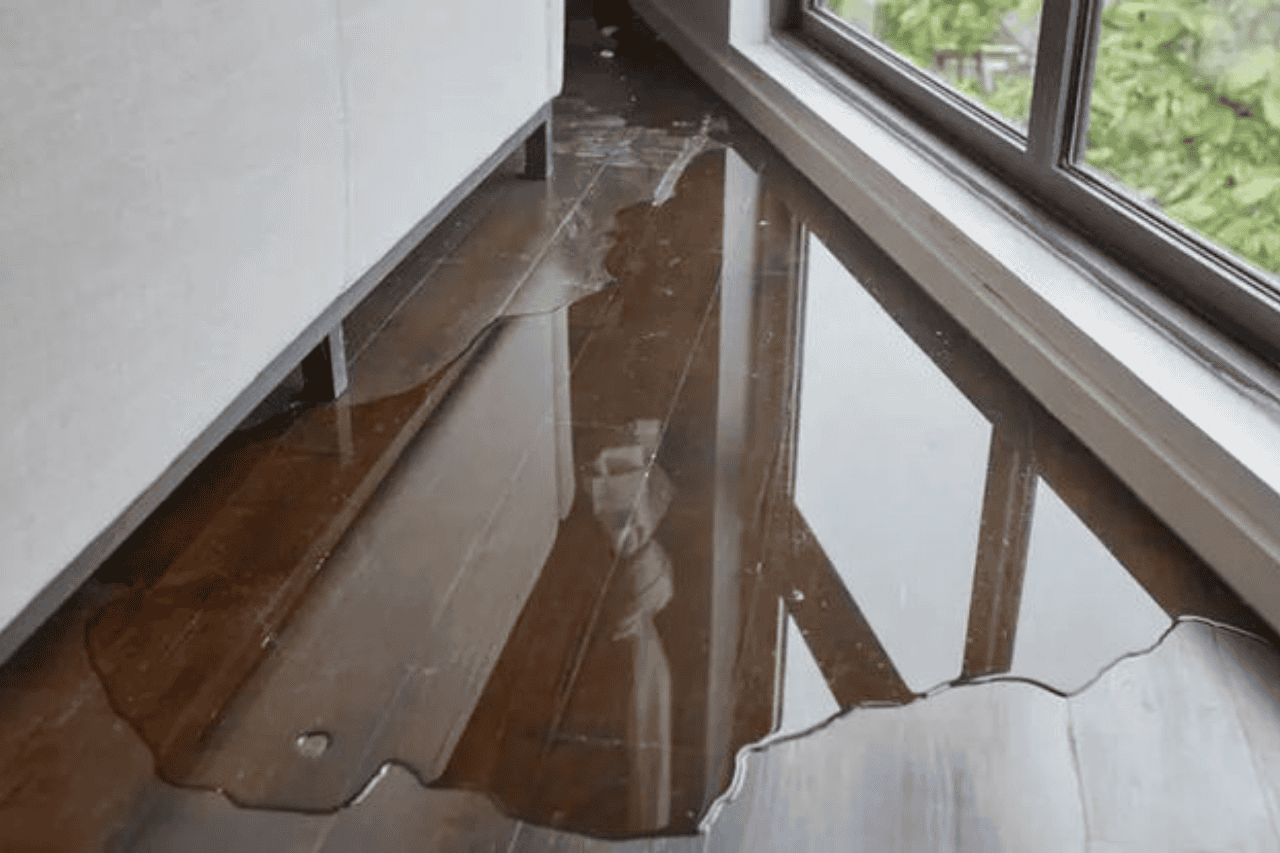
8. Flooding During Heavy Rain or Storms
Repeated flooding in basements, driveways, or property perimeters is a clear indicator that water management systems are insufficient.
Flooding signs that require professional attention:
- Water accumulation near foundations or walls
- Overflowing drains or gutters
- Wet or damaged flooring and furniture
- Soil erosion near the building exterior
Waterproofing contractors can install advanced drainage systems, seal foundation walls, and implement surface grading strategies to prevent future flooding.
9. Unpleasant Odors and Air Quality Issues
Persistent dampness can affect indoor air quality, producing musty or moldy odors. These smells are often the first warning sign that water is penetrating the building structure.
Common signs include:
- Musty smells in basements or enclosed areas
- Air quality complaints from residents or employees
- Stale or humid indoor environments, despite ventilation
Professional waterproofing ensures that moisture sources are eliminated, creating a healthier indoor environment for occupants.
10. Aging Building Materials
Older buildings are naturally more susceptible to water damage. Over time, waterproofing membranes, sealants, and coatings degrade, reducing their effectiveness. Even buildings that have been well-maintained may eventually require professional intervention after years of exposure to water and environmental elements.
Signs that aging materials need attention:
- Worn or cracked seals around windows, doors, and roofs
- Deteriorated plaster or concrete surfaces
- Rusted metal elements exposed to moisture
- Historical or legacy water damage patterns
A skilled contractor can evaluate the condition of building materials, implement modern waterproofing solutions, and significantly extend the structure’s lifespan.
Conclusion
Water intrusion is one of the most destructive forces for any building. Ignoring early signs such as leaks, cracks, mold, peeling paint, or flooding can escalate into costly repairs, structural damage, and health hazards. Recognizing these warning signals and engaging an experienced building waterproofing contractor is essential for protecting your property, maintaining water safety, and preserving structural integrity.
Professional contractors bring expertise, proper materials, and advanced techniques that go beyond temporary fixes. Whether it’s a residential home, commercial facility, or industrial building, hiring skilled waterproofing experts ensures durable, long-term protection, reduces recurring problems, and safeguards both property and occupants. Acting early is always more cost-effective than dealing with major damage after it occurs.