
Questions to Ask Before Hiring a Building Water Proofing Contractor
- March 9, 2026
- Building Waterproofing, Water Tank
When it comes to building water damage, it often occurs unexpectedly. An initial ‘little leak’, an area that is dry but hasn’t dried out from previous damage or a stain that appears on the bottom of a ceiling tile can escalate into a major structure’s issues with mould and ultimately costly repairs unless a very effective waterproofing system is in place to prevent these types of issues from occurring either at your residence or within a corporation.
However, you can’t take waterproofing for granted. The outcome depends, to a large degree, on who you hire. A good building waterproofing contractor can spell success rather than failure.
To make the right decision, consider the following questions that will test the contractor’s knowledge, attitude, and reliability:
What Experience Do You Have in Handling Projects that Require Waterproofing?
When hiring a waterproofing expert, it is essential to first consider the contractor’s professional background. Waterproofing is not just the application of a sealant to a surface; it is a much broader field. The scope of waterproofing work extends beyond its basic definition. Waterproofing requires you to find out where the problem originates before you select appropriate materials and apply correct methods for the task at hand.
A waterproofing contractor with experience has dedicated many years to solving different waterproofing challenges. Their work experience allows them to correctly determine the issue while developing appropriate solutions.
Some questions that you might want to ask them are:
- How long have you been in the business of waterproofing?
- What type of properties have you worked on?
- Have you handled projects similar to my building?
This will give you a better idea if the contractor is experienced enough to do the job for you.
What Waterproofing Methods and Materials You are Using?
You can’t apply a single solution to waterproof a house. Various parts of a house require different waterproofing methods. What works for a roof won’t work for a basement or a bathroom.
An expert contractor can outline the various options and highlight the best solution for your house.
Some of the common waterproofing methods include:
- Cementitious waterproofing – often used for bathrooms and internal wet areas
- Liquid membrane coatings – commonly applied on roofs and balconies
- Bituminous waterproofing – used for foundations and underground structures
- Polyurethane coatings – perfect for areas that are exposed to the elements and temperature changes.
Having such options available can provide the property owner with confidence in the recommended solution.

Can You Show Past Projects or Provide References?
One way of determining the credibility of the contractor is to check their previous work. Any true professional should be able to provide references for their previous projects.
This could include:
- Before and after photos of waterproofing jobs
- Testimonials from past clients
- Owner feedback from similar projects
By looking at their work in other projects, you can evaluate the quality of their service and how they handle different waterproofing issues.
Are You Licensed and Insured?
This is one of the questions that most landlords fail to ask. However, it is an essential question that can give you the assurance of safety for everyone involved.
A license is often an indication that the contractor is qualified enough to provide the best standards of work while observing all regulations.
For example, the contractor should ideally have:
- Public liability insurance
- Workers’ compensation insurance
A reliable Building water proofing contractor will usually be transparent about these details and willing to provide proof when requested.
Clean & Healthy Water Starts with Professional Water Tank Service
What Areas Will Be Inspected Before Starting the Work?
A proper inspection is the starting point for an effective waterproofing job. Without proper identification of the real cause of the leaks or moisture, the waterproofing job will not be more than a temporary fix.
During the inspection phase, the contractors will normally check a number of important areas of the building, including:
- The roof surfaces and drainage systems
- External walls and cracks
- Basement and foundation areas
- Wet areas like bathrooms or balconies
By examining these areas, the contractor will be able to determine where the water problem begins and how to go about solving it.
What is the Expected Duration for Project Completion?
A waterproofing project requires different amounts of time to finish because multiple elements affect the process which includes building dimensions and the extent of damage present.
Discuss the rough project duration with your contractor. This is important as you can then plan ahead and avoid getting caught off guard.
The process is usually a simple process that follows a few key steps. They include:
- Preparation and cleaning of all surfaces
- Repairing cracks and damaged areas
- Application of waterproofing products
- Curing of all products
By understanding these steps, you can get a good idea of how long a project may take.
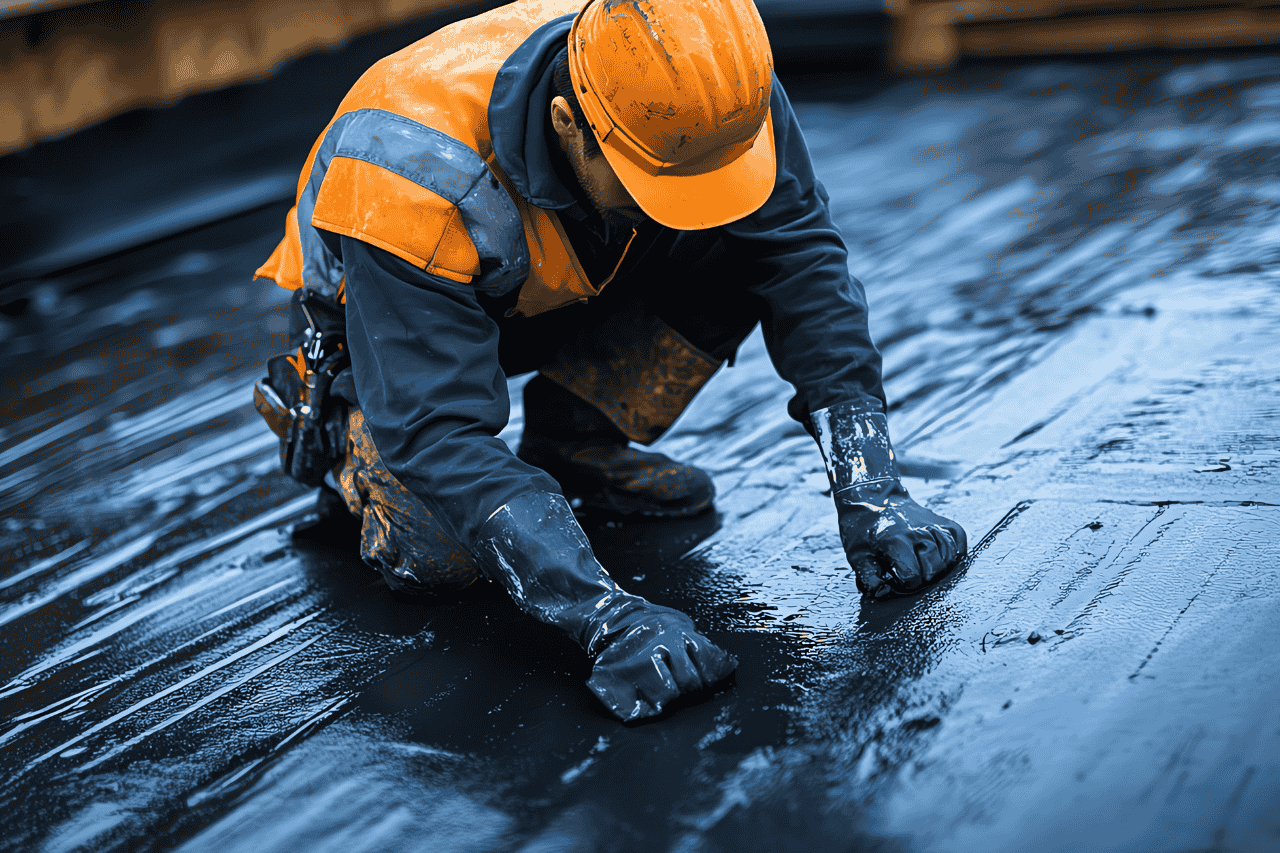
Do You Provide a Warranty for the Waterproofing Services?
Homeowners who obtain warranty coverage will achieve better protection for their property. The demonstration proves that you support your work standards and you believe in the waterproofing system which your suppliers deliver to you.
Before you agree to the job, it’s a good idea to ask a few questions about the warranty:
- How long will the warranty last?
- What will it cover?
- Are there any maintenance requirements to keep the warranty in place?
Having a warranty in place will prevent misunderstandings later on.
What’s in the Quote?
Waterproofing expenses vary significantly based on the project dimensions and the selection of construction components. The price selection process needs to go beyond finding the lowest cost because it should concentrate on contractors who offer clear and direct pricing information.
A good quote should:
- Cost of waterproofing materials
- Labour charges
- Surface preparation and repair work
- Any additional treatments if required
Working with an expert building waterproofing contractor can help outline all costs involved from day one, reducing surprise costs down the line.
Conclusion
All buildings require waterproofing to shield them from permanent damage which results from water leaks and moisture intrusion. The process of choosing an appropriate contractor requires the same level of attention because it demands thorough evaluation rather than making quick choices.
Property owners need to spend time developing appropriate questions which will help them evaluate the contractor’s experience level and their professional conduct and their solution methods for building-specific waterproofing issues. The procedure guarantees proper execution of work which will maintain its structural integrity throughout extended periods. Doing this type of research will help guarantee that the waterproofing work will be completed correctly and that the building will be properly protected for a long period of time.