
Preventive Maintenance vs Centralized Water Tank Repair: What You Need to Know
- December 18, 2025
- Water Tank, Water Tank Repair, Service & Refurbishment
Water tanks—whether used in residential buildings, commercial facilities, or industrial complexes—play a crucial role in ensuring a reliable water supply. Because they store thousands of litres of water daily, these tanks are constantly exposed to wear, contamination, and environmental stress. Over time, they may develop leaks, corrosion, structural damage, or hygiene issues that affect water quality and system performance.
To ensure long-term functionality, two strategies are commonly used: preventive maintenance and centralized water tank repair. While both approaches aim to maintain a clean, safe, and efficient water storage system, they differ significantly in purpose, scope, and timing. Understanding these differences helps property owners, facility managers, and business operators choose the right method at the right time.
This article explains the key distinctions, benefits, and practical considerations of preventive maintenance versus centralized water tank repair—and how both work together to protect your water system.
What Is Preventive Maintenance?
Preventive maintenance involves regular, scheduled servicing of a water tank to prevent potential issues before they occur. Instead of waiting for the tank to fail or show symptoms of damage, preventive maintenance focuses on continuous care.
Common Preventive Maintenance Activities
- Routine cleaning to remove sediment, algae, and biological contaminants.
- Visual inspection of the tank’s interior, exterior, pipes, seals, and lids.
- Checking for early corrosion on steel tanks or hairline cracks on concrete tanks.
- Testing water quality, including pH, turbidity, and microbial presence.
- Lubrication of mechanical components for systems with pumps or moving parts.
- Assessing water level sensors and float controls for proper operation.
- Tightening or replacing fittings, gaskets, or valve components.
Purpose of Preventive Maintenance
The primary goal is to catch small problems early before they escalate. With consistent maintenance, the tank remains clean, safe, and structurally sound for a longer period of time.
What Is Centralized Water Tank Repair?
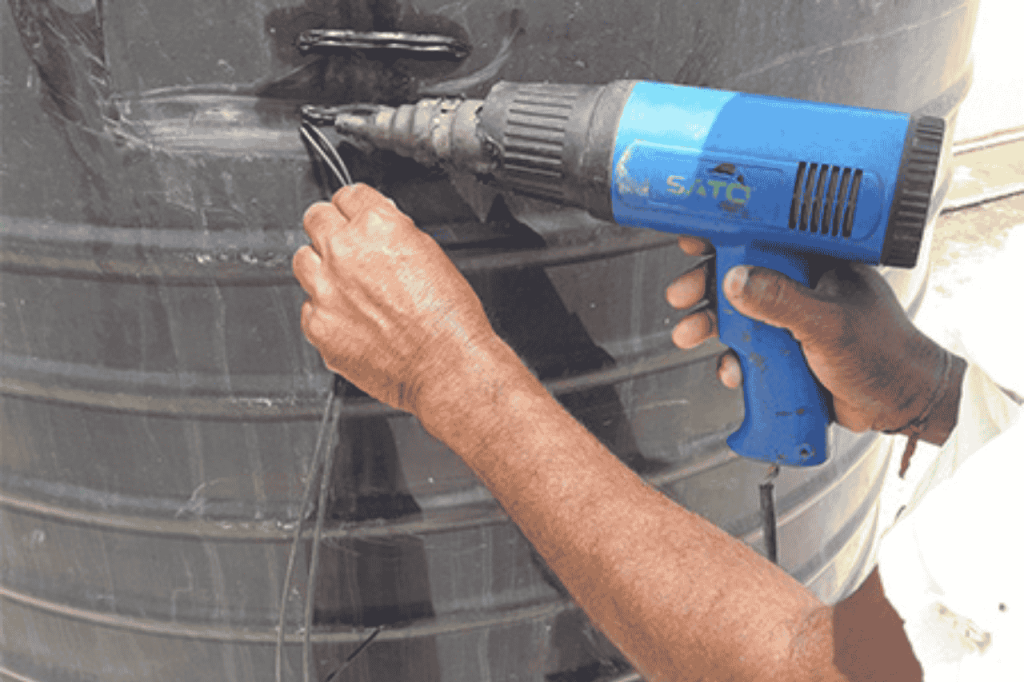
Centralized water tank repair refers to systematic, comprehensive repair work performed when the water tank develops moderate to severe issues. Rather than simple upkeep, this process addresses actual structural or mechanical damage.
What Centralized Repair Typically Includes
- Leak repairs, including patching cracks, sealing joints, or replacing damaged panels.
- Corrosion treatment and application of anti-rust coatings.
- Reinforcement or relining of tank interiors to restore structural strength.
- Replacement of defective components like manholes, hatches, pipes, floats, or valves.
- Welding or epoxy repairs for steel or concrete tanks with severe deterioration.
- Waterproofing treatment, including membrane application.
- Full system refurbishment, especially in older or neglected tanks.
When Centralized Repair Becomes Necessary
- Persistent leaks or dampness around the tank
- Structural cracks or deformation
- Severe rust, corrosion, or metal thinning
- Significant algae, sludge, or foul odor despite recent cleaning
- Water contamination that fails laboratory testing
- Components failing or breaking down
- Regulations requiring repairs for compliance
In short, centralized repair is corrective—it fixes what has already gone wrong.
Key Differences: Preventive Maintenance vs Centralized Repair
Understanding the differences helps decision-makers choose the right solution at any given time.
1. Objective
- Preventive Maintenance: To avoid problems.
- Centralized Repair: To fix existing issues.
2. Timing
- Preventive Maintenance: Scheduled regularly (every 6–12 months).
- Centralized Repair: Performed as needed when issues arise.
3. Scope of Work
- Preventive Maintenance: Minor tasks, cleaning, inspections, and adjustments.
- Centralized Repair: Major repairs, structural restoration, or component replacement.
4. Cost
- Preventive Maintenance: Cost-effective in the long run; lower upfront fees.
- Centralized Repair: More expensive due to labour intensity and materials required.
5. Impact on Operations
- Preventive Maintenance: minimal downtime.
- Centralized Repair: longer downtime due to extensive repair work.
6. Risk Levels
- Preventive Maintenance: Reduces the risk of unexpected tank failure.
- Centralized Repair: Carried out when risk levels are already high.
Clean & Healthy Water Starts with Professional Water Tank Service
Benefits of Preventive Maintenance
1. Extends Tank Lifespan
A well-maintained tank can last decades. Routine cleaning and inspection prevent deterioration and slow down structural wear.
2. Ensures Clean and Safe Water
Sediments, algae, and bacteria multiply quickly. Preventive maintenance ensures water quality at safe levels, especially for commercial buildings, hotels, schools, and residential complexes.
3. Reduces Repair Costs
A minor issue detected early is much cheaper to fix. Preventive maintenance helps avoid costly breakdowns and emergency repairs.
4. Helps Comply with Regulations
Local authorities often require regular water tank cleaning and water quality monitoring. Preventive maintenance ensures legal compliance.
5. Minimizes Downtime
Businesses and residential buildings rely heavily on an uninterrupted water supply. Preventive maintenance ensures smooth operations with minimal disruption.
Benefits of Centralized Water Tank Repair
1. Restores Structural Strength
Repairing cracks, corrosion, or weakened walls extends the tank’s usable life and ensures safety.
2. Improves System Performance
Replacing malfunctioning valves, pumps, and fittings restores proper water flow and pressure.
3. Prevents Water Wastage
Leaks not only waste water but also increase utility bills and damage surrounding structures. Centralized repair addresses these issues promptly.
4. Enhances Water Quality After Damage
When contamination occurs, centralized repair often includes deep cleaning, disinfection, and sealing to restore high water quality.
5. Offers a Long-Term Fix
Unlike quick patch jobs, centralized repair provides a thorough and lasting solution to underlying problems.
How Preventive Maintenance and Centralized Repair Work Together
Many property owners mistakenly think they must choose between preventive maintenance and centralized repair. In reality, both play essential roles.
Preventive Maintenance
→ Keeps the tank in good condition, reduces problems, and delays the need for major repair.
Centralized Repair
→ Restores the tank when preventive efforts are no longer enough.
A well-managed tank follows a cycle:
- Regular preventive maintenance
- Early detection of issues
- Prompt centralized repair
- Return to the preventive cycle
This combined approach ensures the tank remains safe, functional, and compliant for years.
Signs It’s Time for Centralized Repair Instead of Just Maintenance
Even with regular upkeep, some conditions require immediate repair:
- Rapidly spreading cracks
- Severe or recurring leaks
- Rust flakes found in water
- Persistent foul smells after cleaning
- Tank walls or floor are feeling weak
- Colour changes in water
- System pressure issues
- Mold infestation
- Internal lining peeling off
If any of these occur, continuing with regular maintenance is not enough—you need full repair intervention.
Choosing the Right Service Provider
To ensure reliable results, choose a service provider that offers both preventive maintenance and centralized water tank repair. Look for:
- Certified technicians
- Experience with your tank type (steel, concrete, plastic, FRP)
- Compliance with safety and water quality standards
- Detailed inspection reports
- Transparent pricing
- Warranty for repair work
A provider who understands both approaches ensures continuity and proper upkeep.
Conclusion
Preventive maintenance and centralized water tank repair are both essential components of a complete water tank care strategy. Preventive maintenance helps you avoid issues by keeping the tank clean, functional, and safe, while centralized repair addresses structural damage, leaks, and contamination when they occur.
By understanding the differences and knowing when to apply each method, property owners and facility managers can ensure reliable water quality, reduce long-term costs, and extend their tank’s lifespan.
The best approach is not choosing one over the other, but combining both as part of a proactive maintenance plan. A well-maintained water tank protects your building, your occupants, and your budget—today and in the long term.