
How to Maintain a Clean Water Tank Between Professional Cleaning Sessions
- November 4, 2026
- Water Tank Cleaning
Regular water tank cleaning is essential for maintaining water quality and ensuring a reliable water supply in residential, commercial, and industrial buildings. However, cleaning the tank only during scheduled professional services may not be enough to prevent dirt, sediment, and other contaminants from accumulating over time.
Property owners and facility managers should follow simple maintenance practices between professional cleaning sessions to keep their water storage systems in good condition. Regular inspections, proper tank protection, and early detection of potential problems can help reduce contamination risks and maintain water quality.
This article explores practical ways to maintain a clean water tank and prevent common issues between professional cleaning appointments.
1. Inspect the Water Tank Regularly
Routine inspections help identify visible signs of damage, contamination, and deterioration before they become serious problems. Property owners should check the tank and its surrounding components regularly.
Important areas to inspect include:
- Tank Exterior: Look for cracks, corrosion, surface damage, or signs of leakage.
- Tank Cover: Ensure the cover fits firmly to protect the stored water from dust and pests.
- Inlet and Outlet Pipes: Check for visible leaks, loose connections, or damaged fittings.
- Overflow Pipes: Ensure openings are properly screened and free from obstructions.
- Surrounding Areas: Maintain a clean area around the tank by removing rubbish, standing water, and possible contaminants.
Regular visual checks make it easier to identify maintenance concerns and arrange professional assistance when necessary.
2. Keep the Tank Cover Secure
A properly fitted tank cover is one of the simplest ways to prevent external contaminants from entering the water supply. An uncovered or poorly sealed tank may allow dust, leaves, insects, and small animals to enter.
To maintain proper protection, property owners should:
- Ensure the tank cover remains securely fitted.
- Check for cracks, gaps, and damaged sealing materials.
- Replace broken or unsuitable covers when necessary.
- Avoid leaving the tank open during inspections or maintenance.
- Ensure access openings are properly closed after authorized work.
Keeping the tank covered helps reduce contamination risks and prevents unwanted materials from accumulating inside the storage system.
3. Prevent Dirt and Debris from Entering the Tank
External debris can enter water tanks through damaged covers, unprotected openings, or poorly maintained inlet and overflow pipes. Over time, these contaminants may affect water quality and contribute to sediment buildup.
Property owners can reduce these risks by maintaining the surrounding area and checking protective fittings.
Recommended practices include:
- Remove leaves, rubbish, and dirt from the tank surroundings.
- Keep nearby drainage channels clear.
- Check that inlet openings have suitable protective screens where required.
- Ensure overflow pipes are properly protected against insects and pests.
- Avoid storing chemicals, cleaning products, or waste materials near the tank.
These simple measures help maintain a cleaner environment around the water storage system.
4. Monitor Water Quality Regularly
Changes in water appearance, smell, or clarity may indicate contamination or problems within the storage system. Although visual checks cannot confirm whether water is safe to drink, they can help identify warning signs that require further investigation.
Property owners should pay attention to:
- Water Discoloration: Brown, yellowish, or cloudy water may indicate sediment, rust, or other contamination.
- Unusual Odors: Unpleasant or unusual smells may indicate water contamination that requires professional inspection.
- Visible Particles: Dirt, sediment, or floating materials may indicate that contaminants have entered the tank.
- Changes in Water Taste: Any unusual taste should be treated as a warning sign, and the water should not be assumed safe for consumption.
If unusual changes occur, arrange an appropriate water quality assessment. Avoid drinking or using potentially contaminated water for food preparation until its safety has been established.
Clean & Healthy Water Starts with Professional Water Tank Service
5. Check Pipes, Valves, and Tank Connections
Water tanks rely on connected pipes, valves, and fittings to maintain proper water flow. Damaged or leaking components may allow contaminants to enter the system or cause unnecessary water loss.
Regularly inspect visible plumbing components for:
- Loose or damaged pipe connections.
- Leaking inlet and outlet valves.
- Corrosion around metal fittings.
- Cracks in exposed pipe sections.
- Faulty float valves that may affect water levels.
Any damaged components should be repaired or replaced using suitable materials. Property owners should also avoid making unauthorized changes to the plumbing system, particularly when the work may affect water quality or system performance.
6. Maintain Proper Tank Surroundings
The cleanliness of the surrounding environment can directly affect the condition of a water storage system. Poor housekeeping may attract pests, encourage stagnant water, and increase the possibility of external contamination.
To maintain a clean tank environment:
- Remove rubbish and unnecessary materials from nearby areas.
- Keep vegetation under control around outdoor tanks.
- Prevent stagnant water from collecting near the tank.
- Maintain proper drainage around the installation area.
- Keep access points clear for inspections and maintenance.
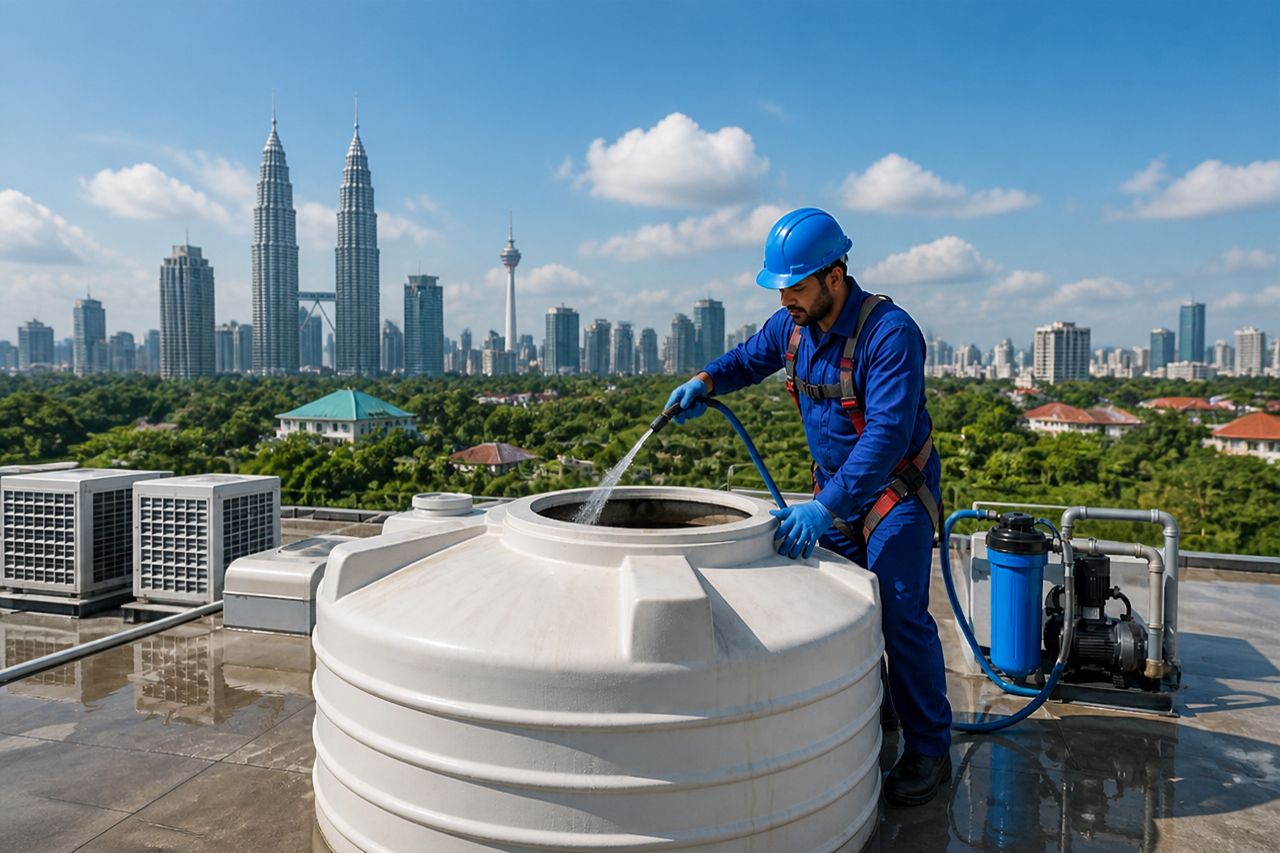
For rooftop tanks, ensure surrounding areas remain accessible and free from unnecessary obstructions. Any maintenance involving roof access should follow appropriate safety procedures.
7. Avoid Unauthorized Tank Entry and Improper Cleaning
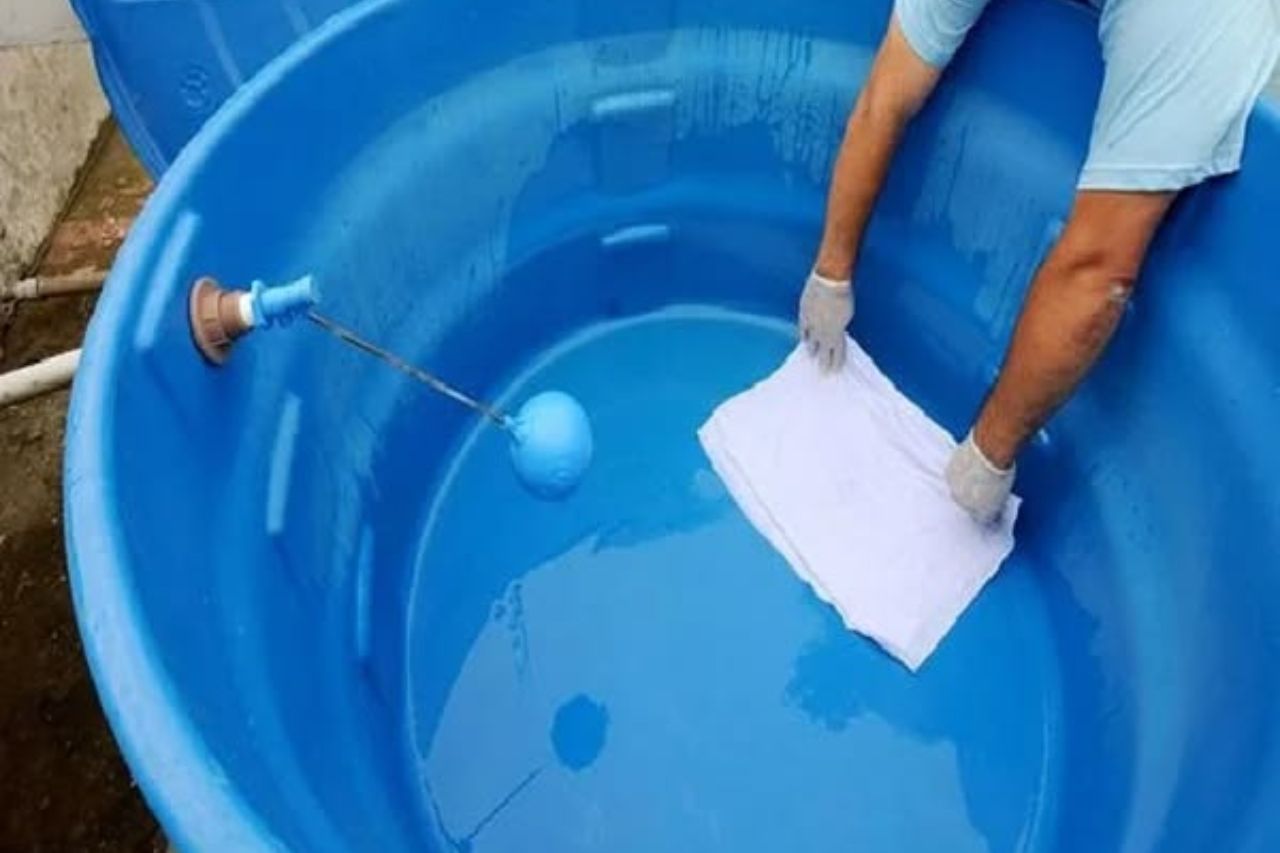
Although routine maintenance is important, property owners should avoid entering water tanks or attempting complex cleaning procedures without proper training and equipment.
Water tanks may present confined-space hazards, including limited ventilation, slippery surfaces, and exposure to cleaning chemicals. Entering a tank without suitable safety procedures can result in serious injuries.
Property owners should follow these precautions:
- Do not enter the tank for routine visual inspections.
- Avoid using household detergents or unsuitable chemicals inside the tank.
- Do not scrape or disturb internal surfaces without proper knowledge.
- Never mix cleaning chemicals.
- Arrange professional assistance for sediment removal, internal cleaning, and disinfection.
Professional cleaners have the appropriate equipment and procedures to carry out these tasks safely and effectively.
8. Schedule Regular Professional Water Tank Cleaning
Routine maintenance helps keep a tank in good condition, but it does not replace professional cleaning. Sediment, biofilm, and other contaminants may accumulate in areas that cannot be reached through external inspections.
Professional water tank cleaning typically involves:
- Inspecting the tank’s internal and external condition.
- Removing accumulated sediment and debris.
- Cleaning internal surfaces using suitable methods.
- Carrying out disinfection where appropriate.
- Checking tank components for damage or deterioration.
- Assessing the water storage system before returning it to service.
The cleaning frequency should depend on tank usage, water quality, storage conditions, and applicable requirements. Property owners should establish a suitable maintenance schedule with an experienced service provider.
Conclusion
Maintaining a clean water tank between professional cleaning sessions requires regular inspections, proper tank protection, and good housekeeping practices. Monitoring water quality, checking visible components, and preventing external contamination can help reduce potential problems and maintain a reliable water supply.
However, routine maintenance should complement rather than replace professional cleaning. By combining consistent upkeep with scheduled professional services, property owners can protect their water storage systems, reduce contamination risks, and support long-term tank performance.