
How a Pressed Steel Water Tank Cleaning Service Helps Maintain Water Quality
- October 14, 2025
- Water Tank, Water Tank Cleaning
Pressed steel water tanks are widely used in residential, commercial, and industrial settings due to their strength, durability, and large storage capacity. These tanks play a crucial role in ensuring a continuous water supply — whether for drinking, sanitation, or industrial production processes. However, over time, impurities, sediment, and microbial growth can accumulate inside the tank, compromising water quality and safety.
This is where a professional pressed steel water tank cleaning service becomes essential. Proper maintenance not only preserves the lifespan of the tank but also safeguards the health of the people who rely on its water. In this article, we’ll explain how professional cleaning helps maintain water quality, the cleaning process itself, and why it’s worth investing in expert services.
Understanding Pressed Steel Water Tanks
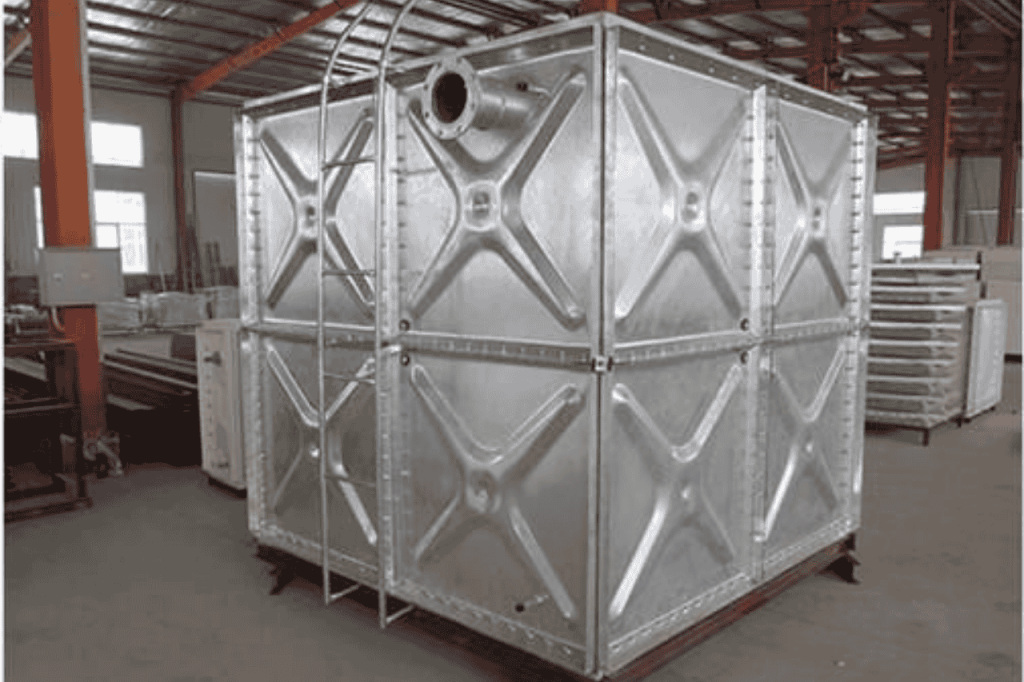
Pressed steel water tanks are modular systems made from bolted steel panels, often lined with a waterproof membrane or sealant to prevent leakage. They are ideal for storing large volumes of water, making them common in buildings, factories, hospitals, and municipal systems.
However, these tanks are not immune to contamination. Over time, several issues can arise:
- Sediment buildup from rust, dirt, and debris entering through inlets or vents.
- Algae grow when tanks are exposed to sunlight.
- Bacterial contamination is caused by stagnant water or improper maintenance.
- Corrosion and leaks occur if coatings degrade or fasteners loosen over time.
All of these factors can lead to poor water quality and pose serious health or operational risks.
Why Regular Cleaning Is Essential
1. Prevents Contamination
Unclean tanks can become breeding grounds for harmful bacteria such as E. coli, Legionella, and other pathogens. These microorganisms thrive in warm, stagnant water, especially when biofilm forms on the tank’s surfaces. Regular cleaning disrupts this environment and ensures the water remains safe for use.
2. Reduces Sediment and Rust
Rust particles from steel panels and accumulated dirt can settle at the bottom of the tank. Over time, this sediment not only reduces storage capacity but also contaminates the water supply. Professional cleaning removes these impurities before they cause issues.
3. Extends Tank Lifespan
A buildup of contaminants accelerates corrosion, particularly around bolts, joints, and panel seams. By keeping the interior clean and well-maintained, you prevent long-term structural damage and extend the service life of your tank.
4. Improves Water Taste and Odor
Unpleasant tastes or smells in stored water are usually a result of bacterial activity or decaying organic matter. Routine cleaning eliminates this problem, keeping the water fresh, clear, and safe.
5. Ensures Regulatory Compliance
In many regions, health authorities and environmental agencies require periodic inspection and cleaning of water storage systems. Hiring a certified pressed steel water tank cleaning service ensures compliance with regulations and documentation for audits or safety checks.

How Professionals Clean Pressed Steel Water Tanks: Step-by-Step
Professional tank cleaning is a systematic and safe process that ensures every surface and corner is thoroughly cleaned without damaging the tank’s structure.
Step 1 — Inspection and Assessment
Before cleaning begins, technicians perform a detailed inspection to identify:
- The level of dirt and sediment buildup.
- Signs of corrosion, leaks, or damaged sealants.
- Access points, drain valves, and ventilation conditions.
This helps determine the cleaning method and safety measures required for the specific tank.
Step 2 — Draining the Tank
The tank is carefully drained using pumps and hoses. The remaining water is properly disposed of in accordance with environmental regulations. Technicians ensure that the structure remains stable during drainage to avoid stress on the panels.
Step 3 — Mechanical Cleaning and Sludge Removal
Once empty, the team manually removes sludge, sediment, and debris using brushes, scrapers, and vacuum systems. Hard-to-reach areas and corners are given extra attention to ensure no buildup remains. For larger tanks, a suction pump or submersible vacuum can be used to speed up the process.
Step 4 — High-Pressure Jet Washing
After manual cleaning, technicians use high-pressure water jets to wash down all internal surfaces. This process effectively removes any remaining residues, rust stains, and algae. For tanks lined with a protective coating, the pressure level is carefully controlled to prevent damage to the coating.
Step 5 — Disinfection and Sanitization
Once the physical cleaning is complete, the tank is disinfected using approved chemical agents such as chlorine-based or food-grade disinfectants. This kills remaining microorganisms and ensures the tank is hygienic.
Some professional services use UV disinfection systems as an eco-friendly alternative that eliminates bacteria without leaving chemical residues.
Step 6 — Rinsing and Final Inspection
After disinfection, the tank is thoroughly rinsed with clean water to remove any traces of cleaning agents. Technicians perform a final inspection to ensure:
- No debris or residues remain.
- There are no leaks or structural issues.
- All seals, bolts, and joints are intact.
The tank is then refilled, and the water quality is tested to determine if it is safe for use.
Safety Precautions During Tank Cleaning
Cleaning a pressed steel water tank involves confined space entry, so safety is a top priority. Professional services adhere to strict safety standards, including:
- Confined space entry permits and monitoring.
- Use of personal protective equipment (PPE).
- Continuous ventilation to prevent fume buildup.
- Communication systems between workers inside and outside the tank.
- Emergency procedures in case of accidents or oxygen deficiency.
Attempting DIY cleaning without proper training and equipment can be extremely dangerous and is not recommended.
Signs Your Water Tank Needs Cleaning
Wondering when it’s time to schedule a cleaning? Look out for these warning signs:
- Water has an unusual taste or odor.
- Visible rust or discoloration in water.
- Reduced water pressure due to sediment clogging.
- Algae or slime is visible through tank inspection hatches.
- The tank hasn’t been cleaned in more than 12 months.
Regular cleaning — typically once or twice a year, depending on usage — ensures your water stays safe and your tank remains in top condition.
Benefits of Hiring a Professional Cleaning Service
1. Expertise and Equipment
Professionals use specialized tools and safety gear to clean efficiently without damaging the tank’s surface or lining.
2. Time Efficiency
What could take a day or more with DIY efforts can be completed within hours by trained technicians.
3. Guaranteed Hygiene
Certified companies use approved disinfectants and comply with industry standards, ensuring the tank meets hygiene and safety requirements.
4. Preventive Maintenance
Many contractors include inspection and minor repair services during cleaning, helping detect potential problems early.
5. Documentation
Professional services often provide inspection reports, before-and-after photos, and water quality test results—valuable for maintenance records and compliance.
Conclusion
A pressed steel water tank is a significant investment — one that directly affects the quality of your water supply. Regular cleaning by professionals is crucial to prevent contamination, extend the tank’s life, and maintain consistent water quality.
By hiring an experienced pressed steel water tank cleaning service, you gain peace of mind knowing your water is safe, your tank is well-maintained, and your property meets regulatory standards. Whether for home, hospital, or industrial facilities, these simple maintenance steps ensure clean, fresh water continues to flow year after year.