
FRP Water Tank Leaking Repair: Common Causes and Effective Solutions
- July 2, 2026
- FRP Tank Leaking
FRP (Fiberglass Reinforced Plastic) water tanks are widely used in commercial, industrial, and residential buildings due to their durability, corrosion resistance, and low maintenance needs. However, despite their strength, leaks can still develop over time due to structural stress, environmental exposure, improper installation, or aging materials.
When leaks occur, they should never be ignored, as even minor seepage can lead to water loss, contamination risks, structural damage, and higher repair costs. Understanding the common causes of FRP water tank leaking repair needs and the available solutions is essential for maintaining performance and extending service life. This article explores the main causes of leakage and effective repair methods for long-term reliability.
Common Causes of FRP Water Tank Leaks
FRP water tanks are made from layers of fiberglass and resin, which form a strong composite structure. However, several factors can compromise this material over time.
1. Material Aging and Degradation
Although FRP is highly durable, it still degrades gradually over long periods of use.
Key aging factors include:
- Continuous exposure to water and moisture
- Chemical reactions with stored water or cleaning agents
- UV exposure in outdoor installations
- Temperature fluctuations causing expansion and contraction
Over time, these factors can weaken the resin matrix, leading to micro-cracks that eventually develop into leaks.
2. Structural Stress and Overloading
FRP tanks are designed to withstand specific load limits. When these limits are exceeded, structural stress can occur.
Common stress-related causes include:
- Overfilling the tank beyond capacity
- Improper support or uneven base installation
- External pressure from surrounding structures
- Wind load or vibration in elevated installations
Repeated stress can cause joint separation, panel distortion, or surface cracking.
3. Poor Installation Practices
Improper installation is one of the leading causes of early leakage in FRP water tanks.
Installation issues may include:
- Misaligned panel joints
- Inadequate sealing during assembly
- Incorrect bolt tightening or torque levels
- Weak foundation or uneven support base
These issues may not be immediately apparent but often lead to leaks after the tank is filled and put into service.
4. Joint and Seal Failure
FRP tanks are often constructed from modular panels joined with bolts and sealants. Over time, these joints may fail due to:
- Wear and tear of rubber gaskets
- Chemical degradation of sealants
- Pressure changes inside the tank
- Improper maintenance or tightening
Once seals deteriorate, water can slowly seep through joints.
5. Physical Damage or Impact
External impact is another common cause of FRP tank leaks.
This can happen due to:
- Accidental collision during maintenance work
- Falling objects in mechanical rooms or rooftops
- Improper handling during relocation or cleaning
- Construction activities nearby
Even small cracks caused by impact can expand over time under water pressure.
6. Chemical Corrosion or Contamination
While FRP is resistant to corrosion, certain chemicals can still affect its integrity.
Potential causes include:
- Harsh cleaning agents
- Industrial chemicals mixed with stored water
- Highly acidic or alkaline water conditions
These substances may gradually weaken the resin and compromise the tank surface.
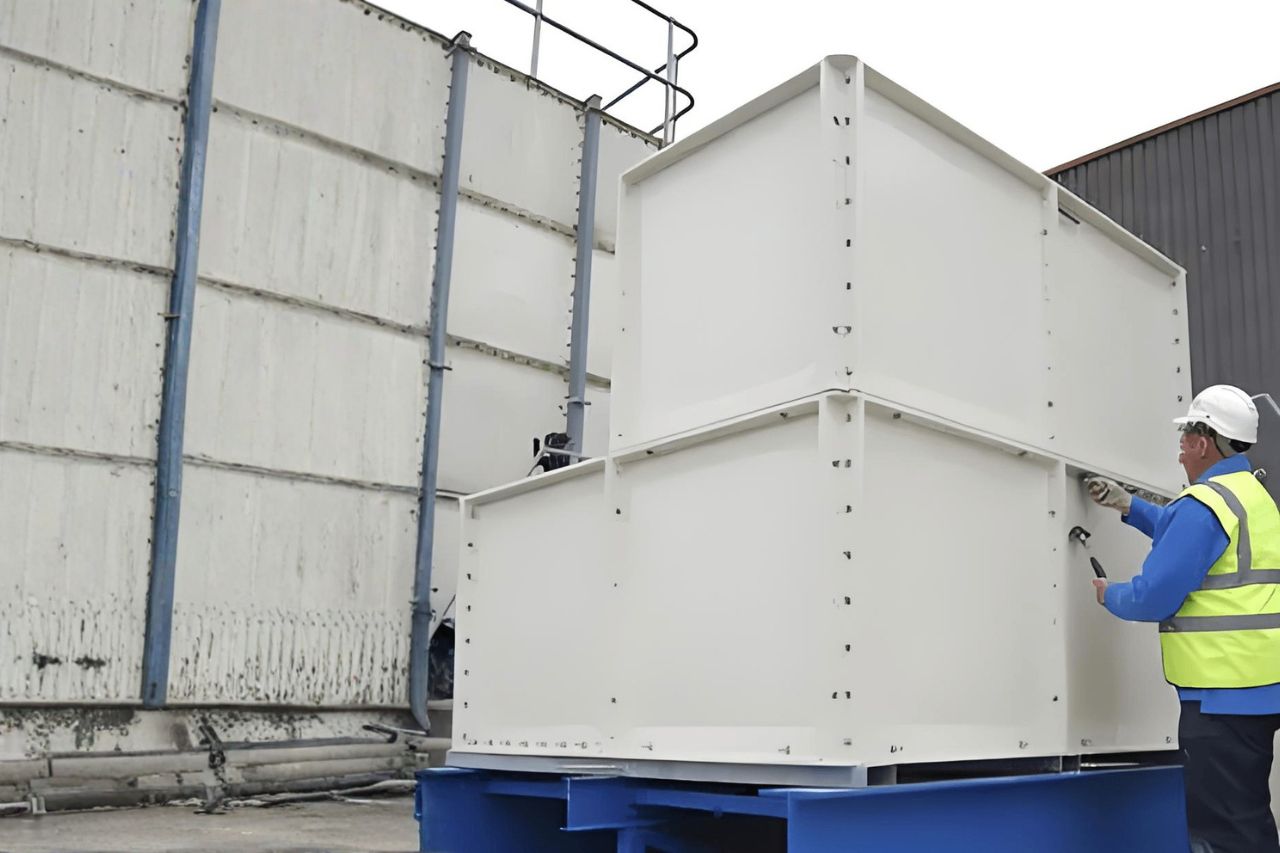
Effective FRP Water Tank Repair Solutions
Repairing FRP water tanks requires proper diagnosis and the right repair method based on the type and severity of damage.
1. Surface Crack Repair
For minor cracks or surface damage, localized repair is often sufficient.
Typical steps include:
- Cleaning and drying the affected area
- Grinding or sanding the damaged surface
- Applying fiberglass patch layers
- Using resin and hardener for bonding
- Finishing with a protective coating
This method restores structural integrity and helps prevent cracks from spreading further.
2. Joint Resealing and Gasket Replacement
When leaks occur at panel joints, resealing is required.
The repair process includes:
- Disassembling affected joints if necessary
- Replacing worn or damaged rubber gaskets
- Applying industrial-grade sealant
- Retightening bolts to proper torque specifications
Proper resealing ensures a watertight connection between panels.
3. Internal Lining Application
For widespread leakage or aging tanks, internal lining is an effective solution.
This involves:
- Cleaning and preparing the internal surface
- Applying waterproof epoxy or FRP lining system
- Ensuring full surface coverage without gaps
- Curing the material for long-term protection
Internal lining significantly improves durability and extends the tank’s lifespan.
4. Structural Reinforcement
If the tank has weakened structural areas, reinforcement may be necessary.
This can include:
- Adding extra fiberglass layers
- Strengthening support frames
- Repairing or replacing damaged panels
- Improving base support conditions
Structural reinforcement ensures the tank can safely handle water pressure.
5. Complete Panel Replacement
In severe cases where damage is extensive, replacing individual panels may be required.
This approach is used when:
- Panels are heavily cracked or deformed
- Multiple leaks occur across sections
- Structural integrity is compromised
Although more costly, it restores full functionality and safety.
Clean & Healthy Water Starts with Professional Water Tank Service
Signs of a Leaking FRP Water Tank
Early detection is important to prevent severe damage. Common warning signs include:
- Visible water seepage or damp spots
- Reduced water levels without usage
- Stains or discoloration on tank surfaces
- Mold or algae growth around joints
- Unusual odors from stored water
- Wet areas near the tank base
If any of these signs appear, immediate inspection is recommended.
Preventive Measures to Avoid Future Leaks
Preventing leaks is always more cost-effective than repair. Recommended preventive practices include:
- Regular inspection of tank surfaces and joints
- Scheduled cleaning and maintenance
- Avoiding overloading beyond capacity
- Using approved cleaning chemicals only
- Ensuring proper installation by qualified technicians
- Applying protective coatings periodically
These measures help extend tank life and reduce the risk of unexpected failures.
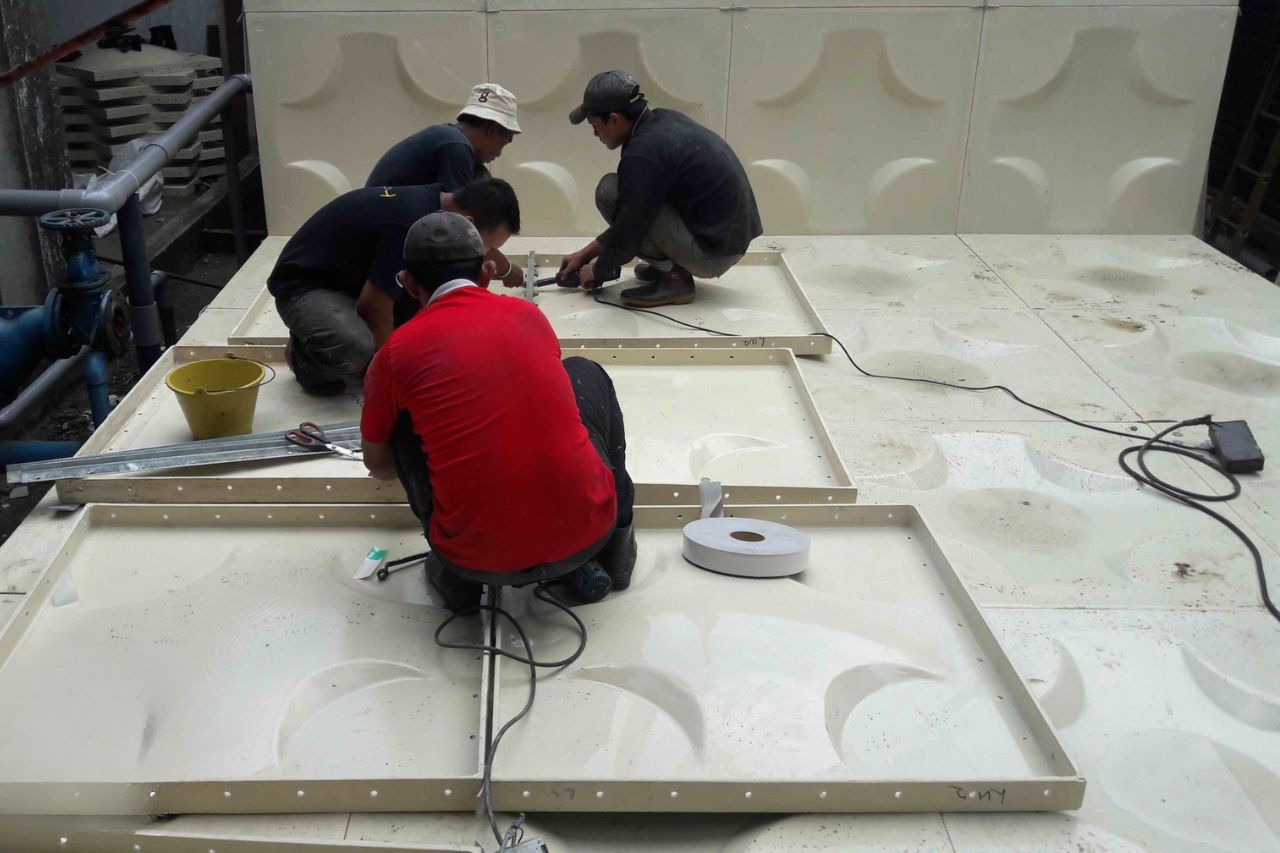
Benefits of Professional FRP Tank Repair Services
Engaging professional repair services ensures long-term reliability and safety.
Key benefits include:
- Accurate diagnosis of leak sources
- Use of high-quality materials and techniques
- Reduced downtime during repairs
- Compliance with safety standards
- Longer service life of the tank
Professional repair also helps prevent recurring issues, saving costs in the long run.
Conclusion
FRP water tank leaks can occur due to aging, structural stress, poor installation, joint failure, physical damage, or chemical exposure. While these issues are common, they are highly manageable with the right repair methods.
Repair solutions range from surface crack patching and resealing to full structural reinforcement and internal lining, depending on the extent of the damage. Regular inspection and preventive maintenance play a crucial role in avoiding costly repairs and ensuring long-term performance.
By addressing leaks early and investing in proper FRP water tank repair solutions, building owners and facility managers can maintain safe, efficient, and reliable water storage systems for years to come.