
Emergency FRP Water Tank Repair: Fast Solutions for Critical Leaks
- January 2, 2026
- Water Tank, Water Tank Repair, Service & Refurbishment
Water storage tanks play a vital role in residential, commercial, and industrial buildings, ensuring a continuous supply of clean water for daily operations. Among the various types available, FRP (Fiberglass Reinforced Plastic) water tanks are widely used due to their strength, corrosion resistance, and long service life. However, like all infrastructure components, FRP tanks are not immune to damage. When leaks occur unexpectedly, they can quickly escalate into serious problems requiring immediate emergency repair.
Emergency FRP water tank repairs focus on quick and effective solutions to stop critical leaks, minimize downtime, and prevent further structural damage. This article examines the causes of emergency leaks, the consequences of delayed action, proven rapid repair solutions, and the importance of professional intervention in urgent situations.
Why Emergency FRP Water Tank Repairs Are Critical
A leaking water tank is more than just a nuisance. In emergencies, uncontrolled leaks can lead to:
- Water supply disruption affecting households, hospitals, hotels, or factories
- Structural damage to rooftops, ceilings, walls, or electrical systems
- Water contamination risks from external pollutants entering the tank
- Operational downtime for businesses and industrial facilities
- Increased repair costs if damage spreads beyond the tank itself
Because FRP water tanks are often installed on rooftops or elevated platforms, leaks can be difficult to detect early. Once visible signs appear—such as dripping ceilings, reduced water pressure, or sudden water loss—the situation often requires immediate response.
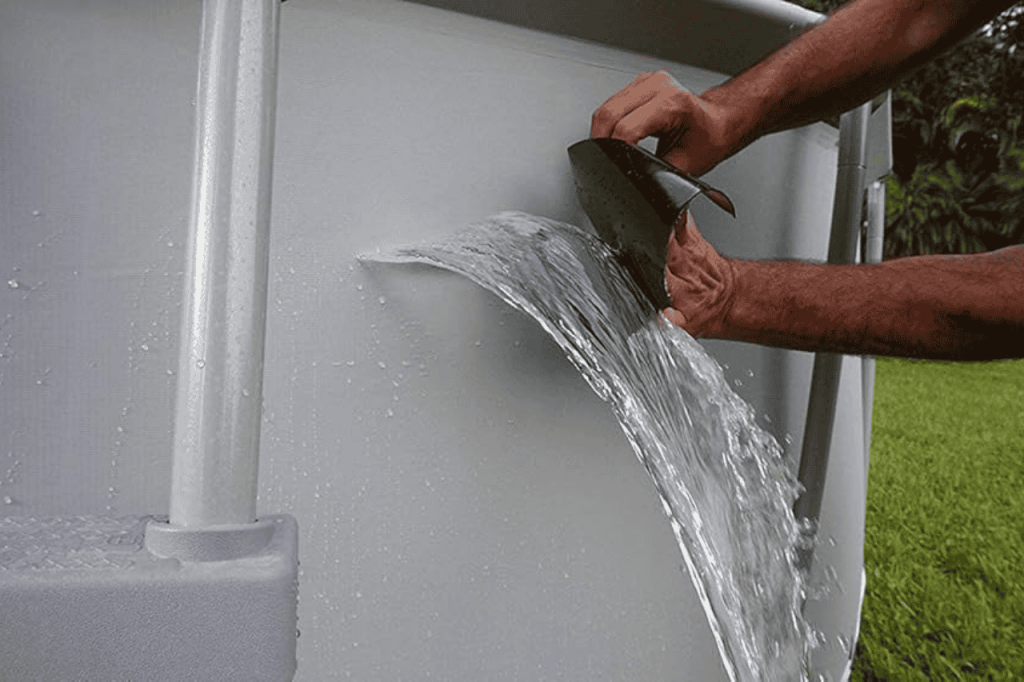
Common Causes of Emergency FRP Water Tank Leaks
Understanding the causes of FRP water tank failure is key to selecting the most effective and long-lasting repair approach. Emergency leaks are commonly caused by:
1. Structural Cracks and Impact Damage
FRP tanks can develop cracks due to accidental impact, dropped tools during maintenance, or structural movement of the building. Even small cracks can expand rapidly under constant water pressure.
2. Aging and Material Degradation
Over time, exposure to UV rays, temperature fluctuations, and chemical reactions can weaken the FRP layers, making the tank more prone to sudden leaks.
3. Joint and Panel Failure
Modular FRP tanks rely on sealed connections and bolts. Seal failure, loose bolts or misaligned panels can result in water seeping in or unexpectedly flowing out.
4. Overloading and Water Pressure Stress
Excessive water pressure or overfilling beyond design capacity can stress tank walls and joints, leading to sudden rupture or leakage.
5. Poor Installation or Past Repairs
Incorrect installation methods or inferior repair materials may degrade under operational loads, causing recurring leaks or accelerated failure.
Immediate Steps to Take During a Water Tank Emergency
When a critical FRP water tank leak occurs, swift action is essential to limit damage:
1. Isolate the Water Supply
Shut off the inlet valve to stop additional water from entering the tank.
2. Reduce Water Level
Drain the tank partially or fully, depending on the severity and location of the leak.
3. Secure the Area
Prevent water from spreading to electrical systems or sensitive equipment.
4. Contact Emergency Repair Specialists
Professional FRP water tank repair contractors possess the specialized tools, certified materials, and technical expertise required to resolve leaks quickly and safely.
Attempting temporary DIY fixes in emergencies often leads to incomplete sealing or further damage, especially under pressure.
Clean & Healthy Water Starts with Professional Water Tank Service
Fast and Effective Emergency FRP Repair Solutions
Professional emergency repair services focus on speed, durability, and safety. Common rapid repair methods include:
1. FRP Patch Repair
For localized cracks or punctures, technicians apply FRP mats combined with high-strength resin to reinforce the damaged area. This method restores structural integrity and creates a watertight seal.
2. Resin Injection and Crack Sealing
Specialized epoxy or polyester resins are injected into fine cracks, penetrating deep into the damaged section to prevent further expansion and leakage.
3. Joint Resealing and Bolt Replacement
In cases of joint failure, old sealants are removed and replaced with industrial-grade waterproof sealants. Loose or corroded bolts are tightened or replaced to restore joint stability.
4. Internal Lining Repair
When leaks are widespread or recurring, emergency HDPE or FRP internal lining repairs can be applied to form a continuous protective barrier without the need for full tank replacement.
5. Temporary Bypass Solutions
For facilities that cannot afford downtime, repair teams may install temporary water supply bypass systems while urgent repairs are carried out.
These solutions are designed to be implemented quickly, often within hours, allowing water systems to resume operation as soon as possible.
Advantages of Professional Emergency FRP Water Tank Repair
Choosing experienced professionals for emergencies offers several key benefits:
- Rapid response time to minimize water loss and damage
- Accurate leak detection using visual inspection and testing
- Use of certified materials compatible with FRP structures
- Compliance with safety and hygiene standards
- Long-lasting repair results, not just short-term fixes
Professionals also assess the overall condition of the tank, identifying potential weak points to prevent future emergencies.
Repair vs Replacement: Making the Right Decision Under Pressure
During emergencies, building owners often worry that tank replacement is the only solution. In reality, most FRP water tanks can be effectively repaired, even under urgent conditions.
Repair is generally preferred when:
- Damage is localized or moderate
- The tank structure remains stable
- Repairs can restore full functionality
Replacement may be considered when:
- The tank has extensive structural failure
- Multiple panels are severely compromised
- The tank has exceeded its expected service life
Emergency repair specialists can provide on-site assessments to recommend the most cost-effective and practical solution.
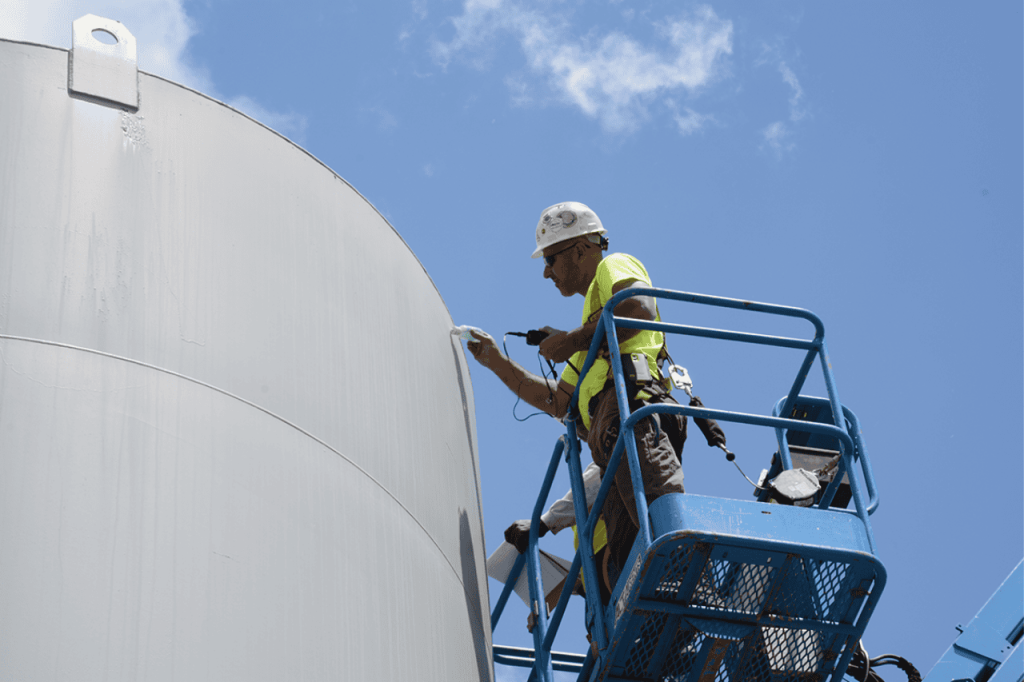
Preventing Future Emergency Situations
While emergency repairs are sometimes unavoidable, preventive measures significantly reduce the risk of critical leaks:
- Schedule regular water tank inspections
- Perform timely minor repairs before cracks worsen
- Apply protective coatings or internal linings
- Avoid overloading tanks beyond design limits
- Ensure proper installation and maintenance practices
Proactive maintenance not only extends the lifespan of FRP water tanks but also helps avoid costly emergency interventions.
Conclusion
Emergency FRP water tank repair is essential when critical leaks threaten water supply, property safety, and operational continuity. With fast response times, specialized repair techniques, and durable materials, professional repair services can quickly stabilize damaged tanks and restore functionality without the need for full replacement.
For residential buildings, commercial facilities, and industrial operations, having access to reliable emergency FRP water tank repair solutions ensures peace of mind and protects vital water infrastructure. Acting quickly—and choosing the right experts—makes all the difference when every drop counts.