
How to Choose the Right Building Waterproofing Contractor for Your Property
- October 6, 2025
- Building Waterproofing
Waterproofing is one of the most crucial yet often overlooked aspects of property maintenance. Whether you own a residential home, commercial building, or industrial facility, effective waterproofing protects your structure from leaks, dampness, and long-term damage. When done correctly, it not only extends the life of your property but also prevents future costly repairs.
However, waterproofing is a technical and specialized process — one that requires expertise, precision, and the right materials. Choosing the right building waterproofing contractor is therefore essential to ensure your investment is protected.
Here’s a step-by-step guide to help you choose the best waterproofing contractor for your property.
1. Understand the Importance of Professional Waterproofing
Before selecting a contractor, it’s crucial to understand why professional waterproofing matters. Water damage can cause serious issues such as:
- Wall cracks and paint peeling
- Mold and mildew growth
- Ceiling leaks and damp patches
- Structural deterioration due to moisture penetration
A professional waterproofing contractor ensures these problems are prevented by using high-quality materials, proper techniques, and thorough surface preparation. They identify the root causes of leakage — not just the visible symptoms — and apply durable solutions that safeguard your property for years.
2. Assess Your Waterproofing Needs
Different areas of a building require different waterproofing solutions. Start by identifying which parts of your property need attention:
- Roof waterproofing: Prevents rainwater leakage and UV damage.
- Basement waterproofing: Protects below-ground areas from water seepage.
- Bathroom and wet area waterproofing: Prevents water from damaging internal walls and tiles.
- External wall waterproofing: Shields outer surfaces from rain and humidity.
- Water tank waterproofing: Ensures that water storage areas remain leak-free.
Understanding your needs helps you find a contractor who specializes in the specific type of waterproofing required. Many companies in Malaysia offer comprehensive services covering both residential and commercial projects.
3. Look for Experience and Expertise
Choose a contractor who has been in the industry for several years and has completed projects similar to yours.
An experienced waterproofing contractor will:
- Understand Malaysia’s humid and rainy climate conditions.
- Recommend the most suitable materials for your structure.
- Anticipate potential problems before they occur.
- Deliver work that meets both functional and aesthetic requirements.
Request for a portfolio of past projects or client references to evaluate their experience. Contractors who can demonstrate consistent results over time are more likely to provide reliable service.
4. Verify Credentials and Licensing
A reputable waterproofing contractor should hold the necessary certifications, licenses, and insurance to operate legally and safely. This includes:
- Business registration under local authorities.
- Certifications from recognized waterproofing product manufacturers.
- Safety and compliance certifications (especially for large commercial projects).
- Insurance coverage to protect both workers and property owners from liability.
Verifying credentials helps you avoid unqualified contractors who may use substandard materials or improper techniques, leading to recurring leaks and costly rework.
5. Check Reputation and Customer Reviews
In today’s digital world, checking a company’s online reputation is easier than ever. Look for reviews and testimonials on:
- Google Reviews
- Facebook or the company website
- Property forums or renovation platforms
Pay attention to feedback about their professionalism, punctuality, communication, and after-sales service. Positive reviews and word-of-mouth recommendations often indicate that a contractor consistently delivers quality work.
6. Evaluate the Quality of Materials Used
The effectiveness of waterproofing heavily depends on the materials used. High-quality waterproofing systems may cost more upfront but provide long-term durability and lower maintenance costs.
Ask your contractor about:
- The brands and types of waterproofing membranes or coatings used.
- The warranty period offered by material manufacturers.
- Compatibility of materials with your building’s structure.
Some common waterproofing methods include:
- Cementitious waterproofing for bathrooms and basements.
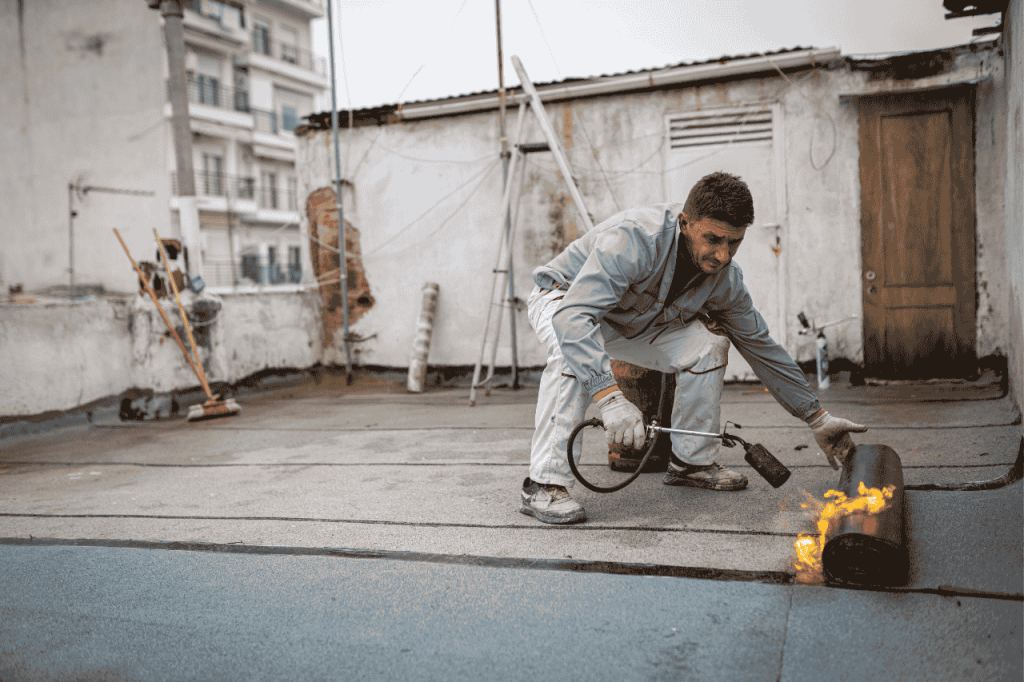
- Bituminous coatings for roofs and foundations.
- Polyurethane liquid membranes for flexible, durable protection.
- FRP lining or epoxy coatings for water tanks and industrial use.
A trustworthy contractor will explain the pros and cons of each system and recommend the most suitable one for your needs.
7. Compare Quotations — But Don’t Choose by Price Alone
While it’s tempting to choose the lowest quote, remember that quality work rarely comes cheap. Obtain at least three quotations from different contractors and compare them based on:
- Scope of work and material specifications
- Duration of warranty
- Project timeline and milestones
- After-sales support
A low-priced quotation may exclude crucial steps such as surface preparation or quality inspection. Always read the proposal carefully to ensure you’re comparing like-for-like services.
It’s wiser to choose a contractor who offers transparent pricing and detailed explanations rather than one who undercuts competitors without a clear justification.

8. Review Warranties and After-Sales Service
Reliable waterproofing contractors stand by their work by offering warranties. Typical warranty periods range from 3 to 10 years, depending on the type of system installed.
However, a long warranty is only valuable if the contractor is trustworthy and responsive. Check whether they provide after-sales support if issues arise, such as regular maintenance inspections or repair services.
A professional contractor won’t disappear after completing the project — they’ll remain accountable for the long-term performance of their work.
9. Assess Communication and Professionalism
Effective communication is the key to a successful waterproofing project. A professional contractor will:
- Listen to your concerns and explain your technical terms.
- Provide written proposals and progress updates.
- Offer clear timelines and stick to them.
- Respect your property and maintain cleanliness while working.
Good communication builds trust and keeps both parties aligned throughout the project. Avoid contractors who are vague, unresponsive, or hesitant to answer questions — these are often signs of poor management or lack of transparency.
10. Choose a Contractor Who Offers Comprehensive Solutions
The best waterproofing contractors provide end-to-end solutions, including:
- Site inspection and problem diagnosis
- Surface preparation and waterproofing application
- Post-application testing (e.g., water ponding tests)
- Maintenance and repair services
This comprehensive approach ensures all aspects of the waterproofing process are handled correctly. Contractors who only offer quick fixes or partial solutions may temporarily mask the problem but fail to address its root cause.
Conclusion
Choosing the right building waterproofing contractor is a critical step in protecting your property from water damage and structural deterioration. The best contractors combine technical knowledge, high-quality materials, and professional project management to deliver results that last.
By following these steps — from verifying credentials and checking reviews to comparing warranties and materials — you’ll find a contractor who can deliver reliable waterproofing that enhances your property’s durability and value.
Remember, waterproofing isn’t just a one-time job; it’s a long-term investment in your property’s health and safety. Partnering with a skilled and reputable contractor ensures peace of mind, knowing your building is well-protected from the elements for years to come.