
Building Waterproofing Solutions: Protecting Structures from Water Damage
- January 5, 2026
- Building Waterproofing
Water is one of the most destructive forces that can affect buildings. Even a small leak or seepage can lead to structural deterioration, mold growth, and costly repairs. Whether it’s a residential apartment, commercial office, or industrial facility, effective building waterproofing is crucial for maintaining structural integrity and ensuring the safety and comfort of occupants.
This article examines the importance of building waterproofing, common causes of water damage, available waterproofing solutions, and how professional services protect structures over the long term.
Why Building Waterproofing Matters
Water infiltration is a silent but serious threat. Over time, moisture can weaken concrete, corrode steel reinforcement, damage finishes, and create a breeding ground for mold and mildew. The consequences include:
- Structural damage compromising walls, ceilings, and foundations
- Health hazards from mold, fungi, and damp environments
- Increased maintenance costs from recurring repairs
- Reduced property value due to visible damage and underlying issues
Waterproofing is not just about preventing visible leaks—it’s about protecting the building envelope, ensuring long-term durability, and preserving the investment in your property.
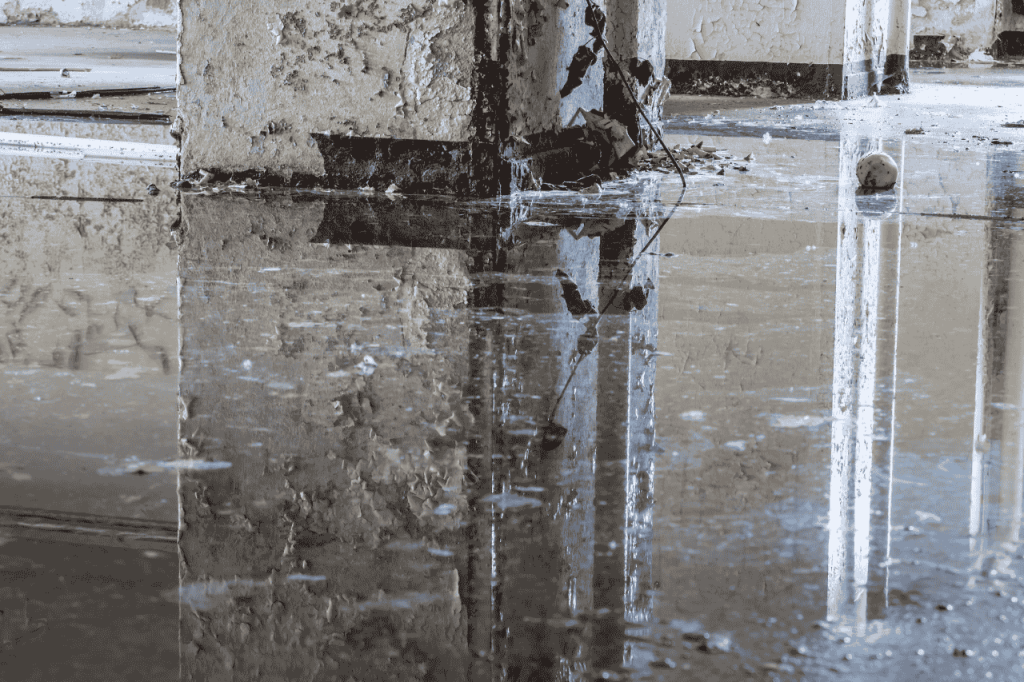
Common Causes of Water Damage
Before choosing a waterproofing solution, it’s important to understand the typical sources of water damage:
1. Rainwater Penetration
Poorly sealed roofs, terraces, or external walls allow rainwater to seep into the building, particularly during heavy storms.
2. Groundwater Seepage
Buildings with basements or underground structures are prone to water ingress from high groundwater levels or inadequate soil drainage.
3. Plumbing Leaks
Internal water leaks from pipes, taps, or drainage systems can weaken walls and floors if left unchecked.
4. Condensation and Humidity
High indoor humidity or temperature differences can cause condensation on surfaces, leading to damp patches and mold growth.
5. Construction Defects
Wall cracks, improperly fitted expansion joints, and substandard construction materials can form weak spots, allowing water to seep into the structure.
Understanding the cause is critical for selecting the right waterproofing method, as different situations require tailored solutions.
Types of Building Waterproofing Solutions
Waterproofing solutions vary depending on the location, building type, and severity of the problem. Professionals often use a combination of the following methods:
1. Liquid Waterproofing Membrane
A liquid-applied membrane is a versatile solution suitable for flat roofs, terraces, and balconies. The liquid forms a seamless, flexible layer that adapts to complex surfaces, preventing water penetration. Common materials include polyurethane, acrylic, or bituminous coatings.
2. Cementitious Waterproofing
Cement-based coatings are widely used for internal wet areas, such as bathrooms, kitchens, and basements. They are easy to apply, cost-effective, and bond well to concrete surfaces. Cement-based waterproofing systems are effective for both newly constructed structures and retrofit applications, ensuring long-lasting water resistance.
3. Bituminous Membrane Waterproofing
Bitumen sheets provide a durable barrier against water and are often applied to rooftops, podiums, and foundations. They are resistant to UV exposure and temperature fluctuations, making them suitable for exterior applications.
4. Polyurethane Waterproofing
Polyurethane coatings are very flexible and durable, capable of sealing small cracks. They are often used for roofs, balconies, terraces, and exposed concrete surfaces. Their seamless nature ensures excellent protection against water infiltration.
5. EPDM Rubber Membranes
EPDM (Ethylene Propylene Diene Monomer) membranes are synthetic rubber sheets with excellent waterproofing performance and long-term durability. They are commonly used for flat roofs, green roofs, and exposed structures.
6. Injection Grouting
For walls and underground structures experiencing water seepage, injection grouting is a reliable method. Special resins or cement-based materials are injected into cracks and voids to seal pathways for water.
Clean & Healthy Water Starts with Professional Water Tank Service
Key Areas for Waterproofing
Professional waterproofing focuses on areas most vulnerable to water damage:
- Roofs and Terraces: Flat and sloped roofs are primary entry points for rainwater. Proper waterproofing prevents leaks and protects internal structures.
- Basements and Foundations: Groundwater and poor drainage can cause basement flooding and structural weakening. Membranes, coatings, and drainage solutions are essential.
- Bathrooms and Wet Areas: High moisture levels require waterproofing to prevent leaks to lower floors or adjacent rooms.
- Balconies and Podiums: Exposed areas face constant weathering and need durable, flexible waterproofing systems.
- External Walls and Facades: Water ingress can cause cracks, paint peeling, and efflorescence. Sealants, coatings, and membranes protect the building envelope.
Benefits of Professional Waterproofing Services
Hiring expert waterproofing contractors ensures long-term protection and peace of mind. Key benefits include:
- Expert Assessment: Professionals identify the root causes of water ingress, ensuring the correct solution is applied.
- High-Quality Materials: Using certified materials and membranes ensures both long-lasting durability and full compliance with building standards.
- Skilled Application: Proper installation prevents future failures and ensures maximum coverage.
- Time and Cost Efficiency: Timely intervention avoids recurring repairs and reduces long-term costs.
- Extended Building Lifespan: Effective waterproofing maintains structural integrity and protects investment value.
DIY solutions may seem cost-effective, but often fail to address the underlying issues, leading to recurring water problems.
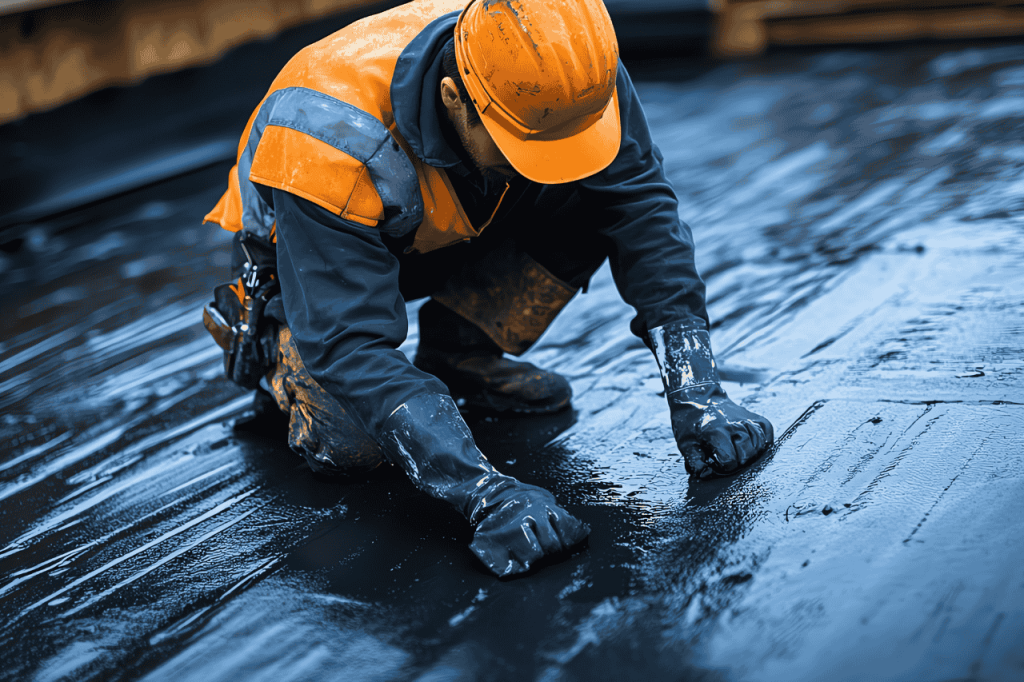
Maintenance and Inspection
Waterproofing is not a one-time task. Regular inspection and maintenance are vital to ensure continued protection:
- Inspect roofs, terraces, and joints for cracks or damage every 6–12 months.
- Clean drainage systems and gutters to prevent water accumulation.
- Reapply coatings or sealants as recommended by the manufacturer.
- Address minor leaks immediately before they escalate into major issues.
Scheduled maintenance extends the life of waterproofing systems and prevents costly emergency repairs.
Conclusion
Water damage is a serious threat that can affect structural integrity, reduce property value, and pose health risks. Building waterproofing solutions—including liquid membranes, cementitious coatings, bituminous membranes, and advanced injection techniques—are essential for protecting both new and existing structures.
By identifying vulnerable areas, selecting the appropriate waterproofing method, and engaging professional contractors, building owners can protect their properties from leaks, seepage, and long-term damage. Regular inspection and maintenance further ensure that waterproofing remains effective, keeping structures safe, durable, and resilient against water-related issues.
Investing in professional waterproofing is not just about preventing visible leaks—it’s about protecting your building, your occupants, and your investment for the long term.