
Building Maintenance: Prioritizing Water Tank Repair Over New Installation
- July 9, 2025
- Water Tank Repair, Service & Refurbishment
In the world of building maintenance, ensuring a clean, reliable water supply is a non-negotiable priority. A well-functioning water tank system is essential for daily operations, safety, and cleanliness in any location, including factories, hospitals, schools, and apartment complexes. However, when tanks age or show signs of wear, facility managers and property owners are often faced with a crucial decision: Should we repair our existing water tanks or replace them entirely with new ones?
While the idea of installing a new water tank may sound appealing, it’s not always the most practical or cost-effective solution. Prioritizing water tank maintenance over new installations can bring significant benefits, including reduced disturbance, sustainability, and financial savings.
In this article, we explore why building maintenance teams should often opt to repair and rehabilitate existing water tanks rather than rush into full-scale replacements.
1. The Cost Advantage of Repair vs. Replacement
One of the most immediate and compelling reasons to consider repairing an existing water tank is cost efficiency.
Repair Costs:
- Minor structural repairs, patching leaks, or relining a tank typically cost a fraction of the cost of a new installation.
- Maintenance and repair can be performed incrementally, spreading costs over time.
Installation Costs:
- A new tank involves not only the tank itself, but also demolition, plumbing, foundation work, crane operations, and other logistics.
- Costs increase significantly if the tank is installed in hard-to-reach areas, such as rooftops or basements.
Bottom Line: Repairing an existing tank can save building owners tens of thousands of ringgit, especially for large-capacity systems.
2. Reducing Downtime and Disruption
Replacing a water tank is a major operation that can cause extended water supply interruptions, which may:
- Disrupt daily operations in commercial and industrial buildings
- Inconvenience residents in condominiums or apartment blocks
- Affect hygiene and sanitation in places like hospitals and schools
On the other hand, repair work is typically faster and less invasive, especially if planned during low-demand hours or scheduled maintenance periods. Some tank repairs can be completed within a day or two, allowing for minimal interruption.
3. Extending the Lifespan of Existing Infrastructure
Most modern water tanks whether made from concrete, fiberglass, plastic, or steel are built to last 15 to 30 years or more. Regular inspections and prompt repairs can extend its useful life even further.
Common repair solutions include:
- Sealing cracks and leaks
- Replacing corroded metal parts or fittings
- Re-coating or re-lining interior surfaces
- Addressing issues with overflow pipes or manhole covers
By repairing instead of replacing, facility managers maximize the investment already made in the infrastructure while ensuring safety and compliance.
4. Environmental and Sustainability Benefits
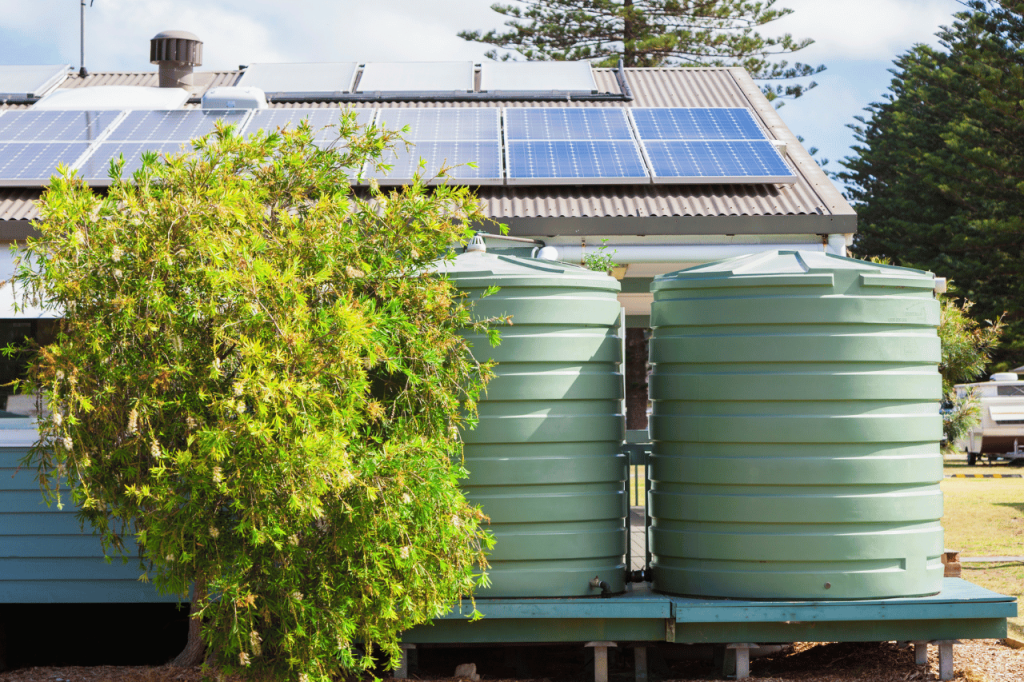
In today’s eco-conscious world, sustainability is more than a trend—it’s a responsibility. Opting to repair instead of replacing aligns with green building principles and environmental best practices.
Benefits of repair over replacement:
- Reduces construction waste and landfill burden
- Conserves resources used in manufacturing new tanks
- Reduces carbon emissions from transportation and construction
For buildings seeking GreenRE or LEED certification, choosing repair can contribute points under the categories of materials reuse and waste reduction.
5. Compliance and Certification
Many property owners mistakenly believe that only a new tank can bring them into compliance with health and safety regulations. However, properly repaired and maintained tanks can meet all regulatory requirements—provided that certified professionals do the work.
Repairs often include:
- Anti-bacterial cleaning and disinfection
- Reinstallation of compliant float valves and access covers
- Ensuring tanks are sealed and vermin-proof
With professional documentation and post-repair testing, your facility can remain fully compliant without the cost of replacement.
6. Availability of Advanced Repair Technologies
Today’s water tank repair options are more advanced than ever. Different tank materials can be treated with specialized coatings, liners, sealants, and patching compounds that provide long-lasting performance.
Examples include:
- Epoxy or polyurethane coatings for steel tanks
- Cementitious waterproofing systems for concrete tanks
- HDPE liners or patch kits for plastic tanks
- Anti-corrosion treatments for metallic components
With these materials and techniques, many tanks can be restored to near-new condition—often with warranties included.
7. Situational Constraints: Space, Access, and Structure
In dense urban environments, replacing a tank can be a logistical nightmare. Rooftop tanks may require cranes or hoists that aren’t feasible in tight spaces. Underground tanks may involve breaking through structural slabs or rerouting plumbing.
In contrast, repair work can usually be done in situ, with no need for major demolition or structural modification. This makes repairs more practical and less risky in buildings with limited space or architectural constraints.
8. Customized Repair Solutions for Every Tank Type
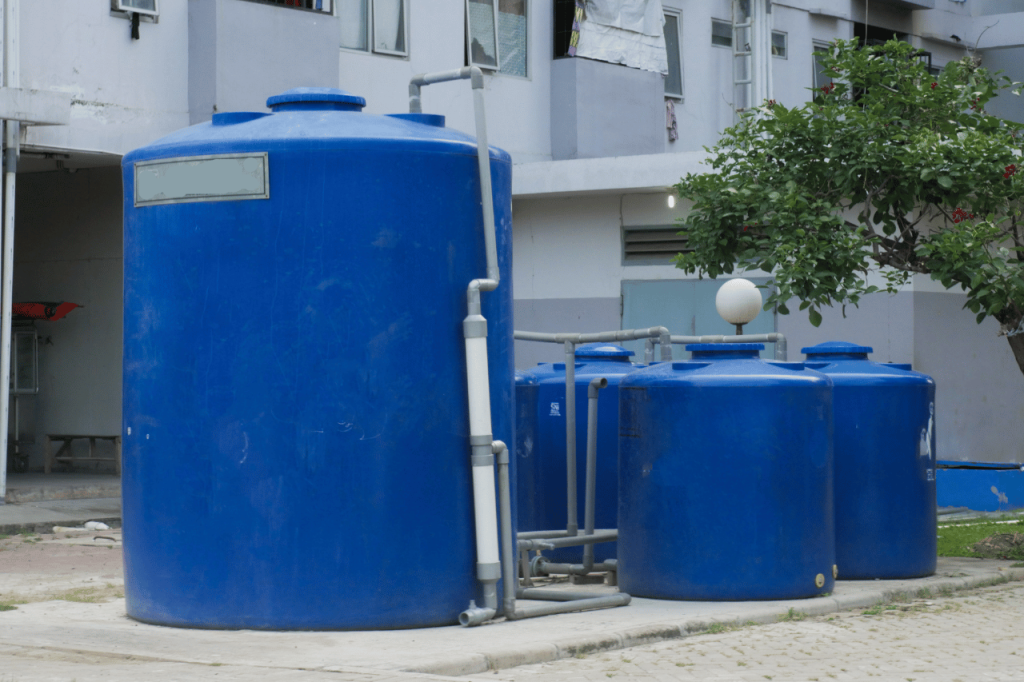
Not all water tanks are the same. Depending on material, location, capacity, and usage, different repair approaches may be necessary. The good news is that modern water tank specialists offer custom solutions for:
- Steel and galvanized tanks
- GRP and fiberglass-reinforced tanks
- Concrete reservoirs
- Plastic and polyethylene tanks
- Sectional panel tanks
With the right assessment and repair plan, nearly any tank type can be brought back to optimal condition.
9. Focus on Preventive Maintenance
Prioritizing repair also promotes a culture of preventive maintenance. Instead of waiting for catastrophic failure, facility managers opt for timely repairs:
- Monitor tank performance more closely
- Keep detailed inspection logs
- Schedule proactive maintenance cycles
This approach enhances the overall reliability and hygiene of the building’s water supply system while reducing the chances of emergencies.
10. When Replacement Becomes Necessary
Of course, not every tank can or should be repaired. In cases where:
- The structural integrity is severely compromised
- The tank fails multiple safety tests
- Repairs exceed 60–70% of the cost of a new tank
… then replacement might be the wiser long-term solution. However, the key is to evaluate all options thoroughly—not default to replacement at the first sign of wear.
A professional assessment from a water system expert or building engineer can help guide this decision.
Conclusion
Water tank maintenance is a critical aspect of managing any building or facility. While installing a new tank may seem like the easy solution, it often involves higher costs, extra disruption, and greater environmental impact. In contrast, prioritizing tank repair allows facility managers to save money, reduce downtime, and extend the life of existing infrastructure.
With modern repair technologies and expert service providers, restoring a water tank to full functionality is both practical and sustainable. By embracing a repair-first approach, building managers demonstrate fiscal responsibility, environmental awareness, and a commitment to uninterrupted water safety.