
Benefits of Scheduling a Regular Water Tank Refurbishment Service for Commercial Buildings
- July 2, 2026
- Water Tank Repair, Service & Refurbishment
Water storage systems are essential for commercial buildings such as offices, malls, hotels, hospitals, factories, and high-rise residences, supporting key functions like sanitation, cooling, and fire protection. However, they are often neglected until problems arise.
Over time, water tanks naturally deteriorate due to corrosion, aging, and continuous exposure to water. Scheduling regular water tank refurbishment service is a proactive maintenance approach that helps ensure safety, efficiency, and compliance while reducing the risk of costly repairs and unexpected operational disruptions.
Extends the Lifespan of Water Tanks
Regular water tank refurbishment helps extend the tank’s lifespan by maintaining its structural integrity and preventing early deterioration.
Since commercial water tanks are costly assets, refurbishment reduces the need for premature replacement and minimizes operational downtime.
Refurbishment activities often include:
- Surface preparation and cleaning
- Rust removal
- Repair of damaged areas
- Recoating internal and external surfaces
- Replacement of worn components
- Structural strengthening where necessary
By addressing minor issues before they become major problems, building owners can maximize the value of their existing assets.
Prevents Water Contamination
Water quality is a critical concern in commercial buildings. Over time, sediment, rust, algae, bacteria, and other contaminants can accumulate inside water tanks.
When tanks are not properly maintained, the risk of water contamination increases significantly. This can negatively affect:
- Building occupants
- Employees
- Customers
- Residents
- Visitors
A professional refurbishment service restores the tank’s internal condition and helps keep stored water clean and safe.
Benefits include:
- Removal of accumulated sediment
- Elimination of corrosion products
- Improved tank hygiene
- Better protection against bacterial growth
- Reduced risk of unpleasant odors and discoloration
Maintaining high water quality is especially important for healthcare facilities, hotels, food processing plants, and educational institutions.
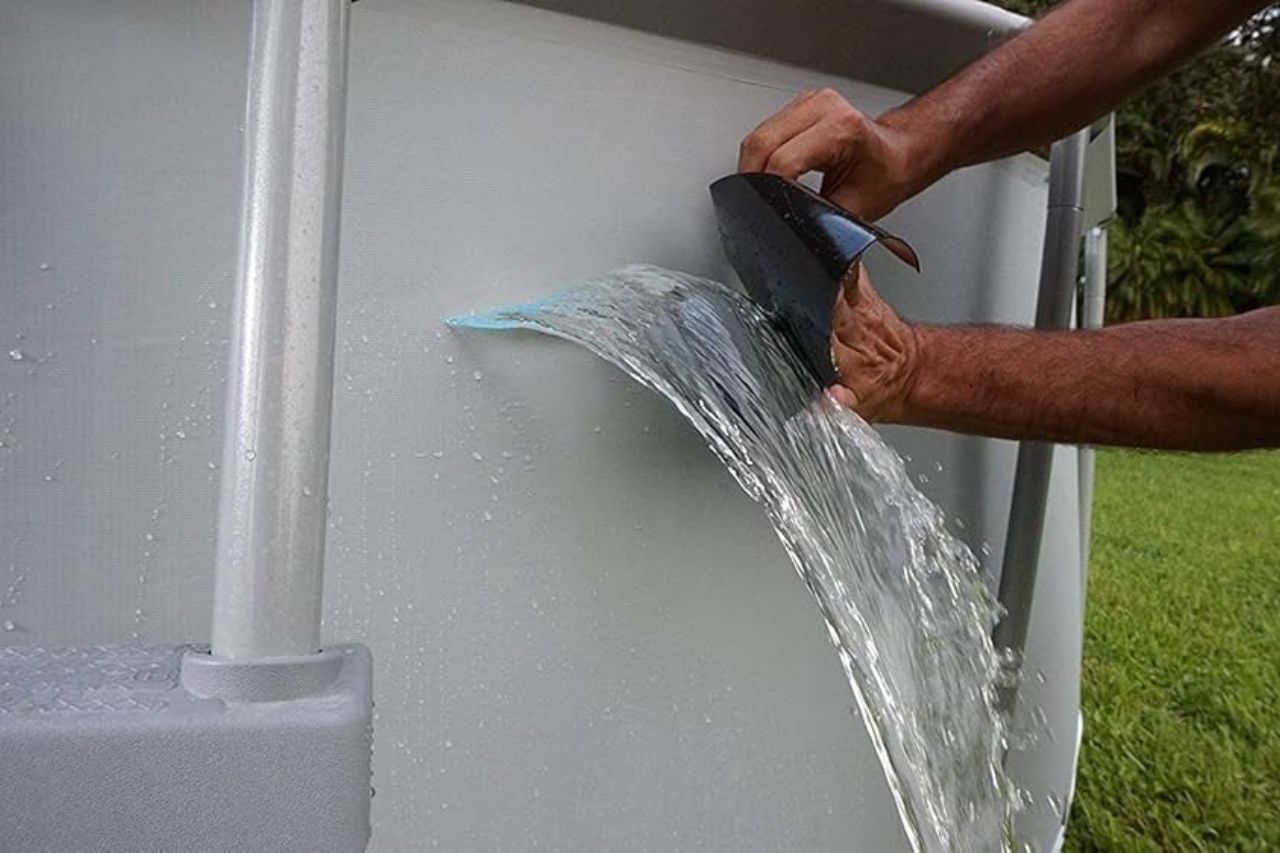
Reduces the Risk of Water Leaks
Water leaks are a common issue in aging tanks, often caused by cracks, worn joints, damaged seals, or corrosion. If ignored, even small leaks can lead to major water loss and structural damage.
Regular refurbishment helps detect and fix these problems early before they escalate.
Typical repair work may include:
- Sealing cracks
- Repairing joints
- Replacing gaskets
- Reinforcing weakened sections
- Applying protective lining systems
Early intervention helps prevent emergency repairs and minimizes disruptions to building operations.
Improves Structural Integrity
Commercial water tanks are subjected to constant pressure from stored water. Over time, structural fatigue can develop, particularly in older tanks.
Factors contributing to structural deterioration include:
- Corrosion
- UV exposure
- Chemical reactions
- Temperature fluctuations
- Environmental pollution
- Mechanical stress
A comprehensive refurbishment service involves detailed inspections that identify potential structural weaknesses.
This allows maintenance teams to:
- Repair damaged sections
- Reinforce vulnerable areas
- Replace deteriorated components
- Restore overall tank strength
Maintaining structural integrity reduces the likelihood of unexpected failures and enhances operational reliability.
Supports Regulatory Compliance
Many industries and commercial properties must comply with regulations governing water storage systems.
Authorities may require:
- Periodic inspections
- Water quality standards
- Maintenance records
- Structural safety assessments
- Hygiene management practices
Failing to maintain water tanks properly can result in:
- Regulatory violations
- Financial penalties
- Legal liabilities
- Reputational damage
Regular water tank refurbishment helps facility managers show proactive maintenance and stay compliant with required standards and regulations.
Enhances Operational Reliability
Water supply interruptions can severely impact commercial operations.
A damaged or poorly maintained water tank may lead to:
- Reduced water pressure
- Inadequate water storage capacity
- Emergency shutdowns
- Service disruptions
- Fire safety concerns
Businesses that depend on continuous water availability cannot afford unexpected failures.
Examples include:
- Hospitals
- Hotels
- Shopping centers
- Manufacturing facilities
- Data centers
- Educational campuses
Routine refurbishment ensures that water storage systems continue functioning efficiently and reliably throughout the year.
Clean & Healthy Water Starts with Professional Water Tank Service
Improves Fire Protection Readiness
Many commercial buildings rely on water tanks for fire suppression, where failure is not an option. Any damage, leakage, or contamination can reduce firefighting effectiveness in emergencies.
Regular refurbishment helps ensure:
- Adequate storage capacity
- Reliable water availability
- Structural stability
- Proper system performance
- Compliance with fire safety requirements
A well-maintained tank supports overall building safety and emergency preparedness.
Reduces Long-Term Maintenance Costs
Delaying maintenance to save costs often leads to higher expenses later. Small issues can quickly grow into major repairs if not addressed early.
Examples include:
- Small corrosion spots developing into extensive structural damage
- Minor leaks becoming significant water loss issues
- Coating failures leading to widespread deterioration
- Sediment accumulation affecting water quality and system performance
Regular refurbishment enables planned maintenance rather than reactive emergency repairs.
Financial benefits include:
- Lower repair costs
- Reduced emergency callouts
- Less downtime
- Better budgeting and forecasting
- Extended asset life
This proactive approach often provides substantial cost savings throughout the tank’s lifecycle.
Enhances Energy Efficiency
Water storage systems are often connected to pumps, treatment equipment, and distribution networks.
When tanks deteriorate, system efficiency may decline due to:
- Water loss
- Increased pump workload
- Flow restrictions
- Sediment buildup
- Reduced storage effectiveness
Refurbishment helps restore optimal operating conditions.
As a result, building operators may experience:
- Improved system efficiency
- Lower energy consumption
- Reduced operating costs
- Better equipment performance
Energy savings may vary, but maintaining water systems improves overall building efficiency.
Preserves Asset Value
Commercial buildings are valuable investments that require ongoing maintenance to preserve value, as buyers, tenants, and investors often evaluate infrastructure during assessments.
A well-maintained water storage system demonstrates:
- Responsible asset management
- Commitment to safety
- Reduced future maintenance liabilities
- Better operational standards
Keeping refurbishment records shows proper maintenance of building systems, which can improve property value and support better investment decisions.
Supports Sustainability Goals
Sustainability is a key priority for many organizations, and regular water tank refurbishment helps reduce waste and improve resource efficiency.
Benefits include:
- Minimizing water loss through leak prevention
- Extending asset lifespan
- Reducing replacement requirements
- Lowering material consumption
- Supporting efficient water management
Rather than replacing tanks prematurely, refurbishment allows businesses to maximize the use of existing infrastructure while reducing environmental impact.
Provides Opportunities for System Upgrades
Refurbishment projects offer an excellent opportunity to modernize aging water storage systems.
During refurbishment, facility managers can evaluate potential improvements such as:
- Advanced protective coatings
- Improved access systems
- Enhanced monitoring equipment
- Corrosion-resistant materials
- Modern safety features
- Leak detection technology
These upgrades can further improve reliability, safety, and performance while preparing the building for future operational demands.
Key Signs That a Water Tank Requires Refurbishment
Commercial property managers should watch for warning signs that indicate refurbishment may be necessary:
- Visible corrosion or rust
- Water discoloration
- Unpleasant odors
- Frequent leaks
- Sediment accumulation
- Reduced water quality
- Cracks or structural damage
- Aging protective coatings
- Increased maintenance requirements
Addressing these issues early can prevent more extensive and costly problems later.
Conclusion
Regular water tank refurbishment is a key part of commercial building maintenance, helping extend tank lifespan, improve water quality, strengthen structural integrity, reduce costs, and ensure regulatory compliance.
By investing in scheduled refurbishment rather than waiting for problems to occur, commercial property owners and facility managers can protect critical infrastructure, maintain reliable operations, support sustainability goals, and safeguard the health and safety of building occupants.