
How a Professional Building Waterproofing Contractor in Malaysia Protects Buildings from Water Damage
- November 4, 2026
- Building Waterproofing
Water damage is a common problem affecting residential, commercial, and industrial buildings in Malaysia. Frequent rain, high humidity levels, and ongoing exposure to moisture can gradually allow water to seep into roofs, walls, floors, and building foundations. Without proper protection, these issues may lead to leaks, mold growth, damaged finishes, and structural deterioration.
Hiring a professional building waterproofing contractor in Malaysia helps property owners prevent water intrusion and maintain their buildings. With proper inspections, suitable waterproofing systems, and professional application techniques, contractors can protect vulnerable areas and reduce the risk of recurring water damage.
1. Understanding the Importance of Building Waterproofing
Building waterproofing involves applying protective systems to prevent water from entering structural surfaces. It is essential for areas frequently exposed to rain, moisture, and water, including rooftops, bathrooms, balconies, basements, and external walls.
Without effective waterproofing, water can seep through concrete, cracks, joints, and damaged surfaces. Over time, moisture may weaken building materials, damage interior finishes, and affect the overall condition of the structure.
Professional waterproofing helps to:
- Prevent water leaks and moisture penetration.
- Protect concrete and other building materials.
- Reduce mold and mildew growth.
- Preserve interior finishes and building appearance.
- Minimize long-term repair and maintenance costs.
2. Common Causes of Water Damage in Buildings
Identifying the causes of water intrusion is essential before carrying out waterproofing work. A professional contractor can inspect affected areas and determine the source of moisture.
Common causes include:
- Roof Leaks: Damaged membranes, cracked concrete, deteriorated sealants, and blocked drainage systems can allow rainwater to enter through rooftops.
- Wall Seepage: Cracks, porous surfaces, and deteriorated exterior coatings may allow moisture to penetrate walls.
- Bathroom Leaks: Failed waterproofing layers beneath tiles can cause water to seep through floors and walls, affecting nearby rooms or lower floors.
- Basement Water Ingress: Poor drainage systems, groundwater pressure, and cracks in concrete structures can allow water to penetrate basement areas.
- Damaged Joints and Sealants: Aging or poorly sealed construction joints, pipe penetrations, and expansion joints can create entry points for water.
3. How Professional Waterproofing Contractors Protect Buildings
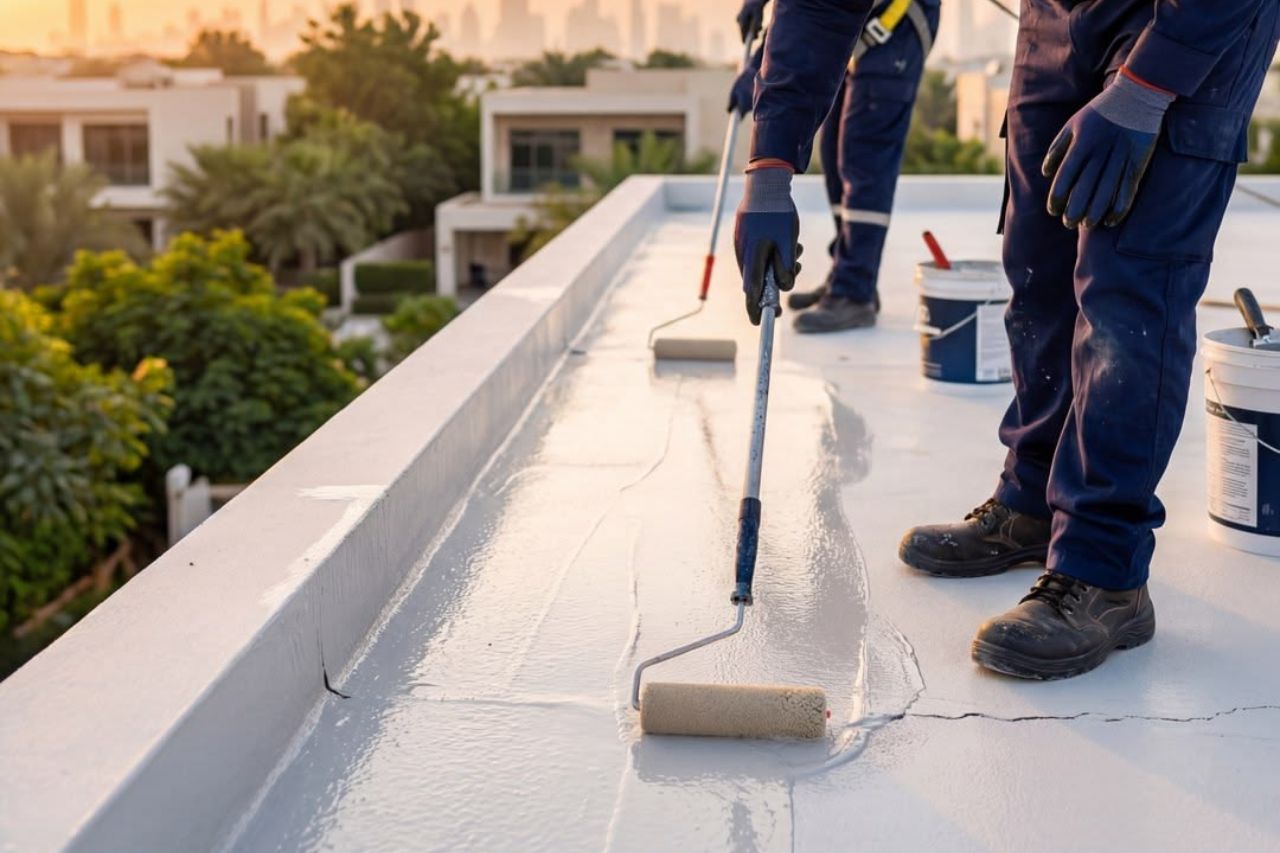
Professional contractors use suitable inspection methods, materials, and application techniques to address different waterproofing problems. Their services help resolve existing water leaks and safeguard areas exposed to moisture.
a. Detailed Inspection and Assessment
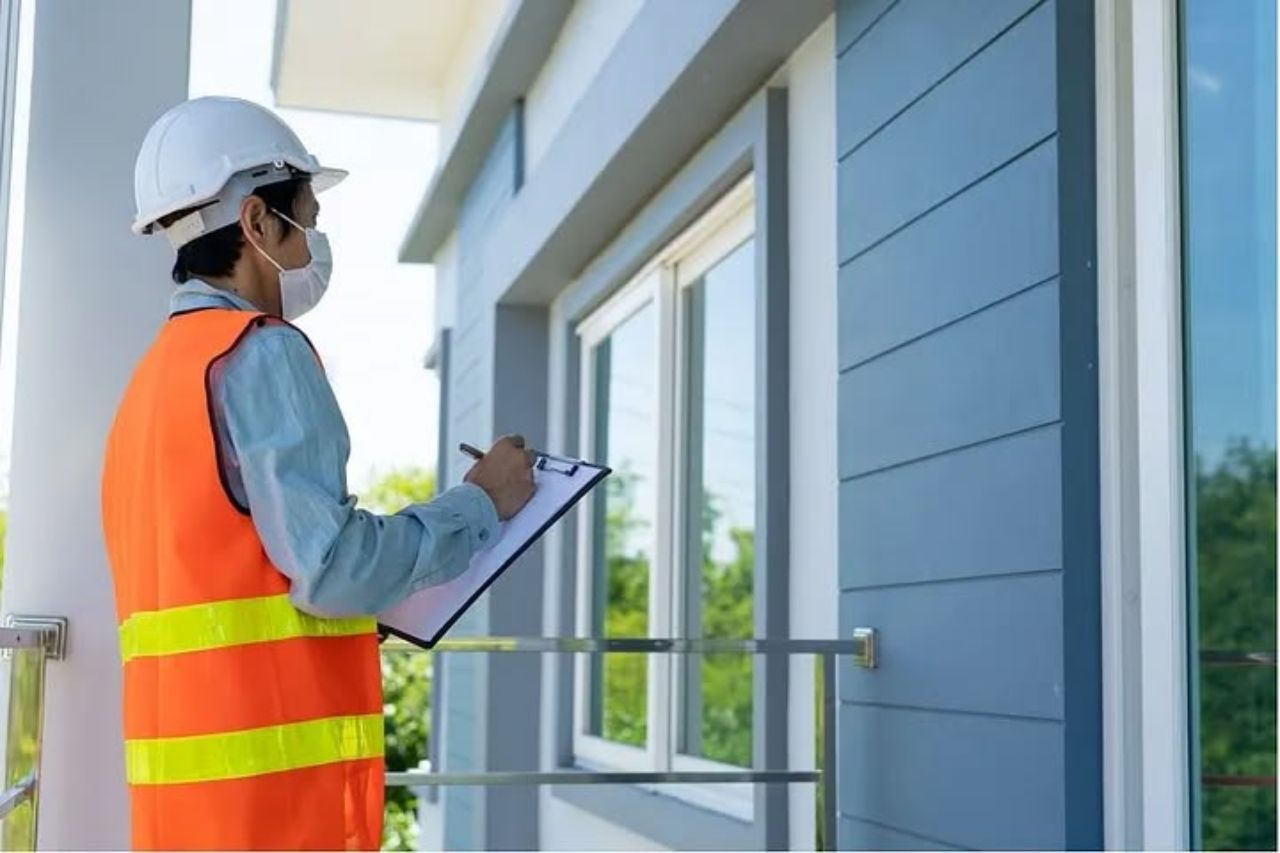
Contractors begin by inspecting the building to identify visible damage and potential water entry points. They assess cracks, damp patches, peeling paint, damaged coatings, and drainage conditions.
Where necessary, they may use moisture detection equipment and other testing methods to investigate hidden leaks. Accurate assessments help determine the appropriate waterproofing solution.
b. Selecting Suitable Waterproofing Systems
Different building areas require different waterproofing materials and methods. Contractors consider the surface condition, water exposure, structural movement, and intended use before selecting a suitable system.
Common waterproofing solutions include:
- Cementitious Waterproofing: Suitable for bathrooms, water tanks, and other wet areas.
- Polyurethane Waterproofing: Flexible coatings commonly used for balconies and exposed surfaces.
- Bituminous Membranes: Suitable for flat roofs, podium decks, and areas requiring durable protection against water penetration.
- Injection Grouting: Helps seal cracks and active water leaks in concrete structures.
- Protective Waterproofing Coatings: Applied to selected walls and concrete surfaces to reduce moisture penetration.
The correct system depends on the building’s condition and the source of water intrusion.
c. Professional Surface Preparation
Proper surface preparation is essential for effective waterproofing. Contractors clean the affected areas, remove loose materials, repair damaged sections, and prepare the substrate before applying waterproofing products.
This process helps improve material adhesion and reduces the risk of premature coating failure.
d. Proper Application Techniques
Contractors ensure waterproofing materials are installed correctly by following the system requirements and product instructions. They pay attention to critical areas such as corners, joints, drainage outlets, and pipe penetrations.
Correct application, coating thickness, and curing time help create a more reliable waterproof barrier.
e. Testing and Quality Inspection
After application, contractors inspect the completed work and conduct suitable tests where required. For example, water ponding tests may be used to check waterproofing performance in selected wet areas.
These checks help identify application defects before protective layers or finishing materials are installed.
Clean & Healthy Water Starts with Professional Water Tank Service
4. Key Building Areas That Require Waterproofing
A professional contractor can identify vulnerable areas and recommend suitable protection based on their exposure to water.
- Rooftops and Roof Slabs: Roofs are directly exposed to rainfall, sunlight, and temperature changes. Waterproofing helps prevent leaks through cracks, joints, and deteriorated surfaces.
- Bathrooms and Wet Areas: Bathrooms, kitchens, and other wet areas require effective waterproofing beneath tiles and around floor-wall junctions to prevent water from seeping into surrounding spaces.
- External Walls: Exterior walls are exposed to rain and moisture. Suitable coatings and crack repairs help reduce water penetration and protect internal surfaces.
- Basements and Underground Structures: Basements are vulnerable to groundwater and moisture pressure. Professional waterproofing helps protect concrete walls and floors from water ingress.
- Balconies and Podium Decks: These exposed areas require waterproofing systems that can withstand rainfall, standing water, and surface movement.
5. Benefits of Hiring a Professional Building Waterproofing Contractor in Malaysia
Engaging an experienced contractor offers several advantages for property owners and building managers.
- Accurate Problem Identification: Professional inspections help locate the source of leaks and moisture problems.
- Suitable Materials: Contractors select waterproofing products based on the building’s surface and exposure conditions.
- Quality Workmanship: Proper preparation and application improve waterproofing performance.
- Reduced Repair Costs: Addressing water intrusion early helps prevent more extensive damage.
- Long-Term Protection: Effective waterproofing helps maintain building condition and durability.
Professional waterproofing services help prevent recurring repairs resulting from poor material selection or improper application.
6. How to Choose the Right Waterproofing Contractor
Selecting a reliable contractor is important for achieving effective and lasting results. Property owners should consider several factors before appointing a service provider.
- Relevant Experience: Look for contractors with experience in similar waterproofing projects.
- Inspection and Assessment: Choose a contractor who identifies the source of water damage before recommending repairs.
- Suitable Materials: Confirm that the proposed products are appropriate for the affected surfaces.
- Workmanship Standards: Ask about preparation methods, application procedures, and quality checks.
- Clear Quotations: Review the work scope, materials, costs, and expected completion time.
- Warranty Coverage: Check whether the contractor provides written workmanship warranty terms and explains any exclusions.
Evaluating contractors based on their experience, recommended methods, and workmanship helps property owners choose the right service provider.
Conclusion
Water damage can affect a building’s appearance, durability, and structural condition if left untreated. Professional waterproofing contractors in Malaysia can identify sources of water penetration and recommend appropriate methods to safeguard vulnerable structures.
Through proper inspections, quality materials, skilled application, and regular maintenance, property owners can reduce recurring leaks, prevent further deterioration, and extend their buildings’ service life.