
Why Building Waterproofing Services Are Essential for Property Protection
- August 19, 2026
- Building Waterproofing
Water can cause serious building damage when moisture enters through roofs, walls, floors, balconies, basements, or other areas. Over time, water infiltration can damage building materials, encourage mold growth, weaken structures, and create costly maintenance problems.
Professional building waterproofing services help protect residential and commercial properties from moisture-related problems. Proper waterproofing can also support the durability of building materials and extend the property’s lifespan.
1. Prevents Water Infiltration
The main purpose of waterproofing is to prevent water from entering areas where it should not be. Even small cracks, gaps, or damaged surfaces can allow moisture to penetrate the building.
Common areas that may require waterproofing include:
- Roofs
- Walls
- Bathrooms
- Balconies
- Basements
- Concrete surfaces
- Car parks
- Foundations
Professional waterproofing helps create a protective barrier that reduces the risk of water entering these vulnerable areas.
2. Protects Building Structures
Continuous exposure to moisture can affect concrete, metal, wood, and other building materials. If water penetrates deeply into structural areas, it may contribute to deterioration over time.
Waterproofing helps minimize moisture exposure and maintain the building’s overall condition. For older properties, waterproofing can be particularly useful when existing surfaces show signs of water penetration or deterioration.
3. Helps Prevent Mold and Mildew
Damp environments can encourage the growth of mold and mildew. These problems may occur in bathrooms, basements, walls, ceilings, and other areas with poor moisture control.
Common warning signs include:
- Musty odors
- Dark stains
- Damp patches
- Peeling paint
- Visible mold
- Persistent moisture
By reducing water infiltration, waterproofing can help control one of the factors that contributes to damp environments.
However, existing mold or moisture problems should also be properly assessed and addressed rather than relying on waterproofing alone.
4. Reduces Repair and Maintenance Costs
Ignoring water leaks may lead to increasingly expensive repairs. Even minor cracks or leaks can gradually damage nearby building materials.
Property owners may eventually need to repair:
- Walls
- Ceilings
- Flooring
- Concrete
- Paintwork
- Waterproof membranes
- Plumbing-related areas
Investing in suitable waterproofing and addressing moisture problems early can help reduce the risk of more extensive and costly repairs in the future.
5. Protects Interior Areas
Water entering through roofs, walls, balconies, or external surfaces can eventually affect interior spaces. Water stains, peeling paint, damp walls, and damaged flooring can negatively affect a property’s appearance, comfort, and overall usability.
Effective waterproofing provides an additional layer of protection between external moisture and interior areas.
This is especially important for rooms and spaces where water exposure is already common, such as bathrooms and kitchens.
6. Extends the Lifespan of Building Materials
Moisture can gradually weaken or deteriorate various building materials. Concrete may develop cracks or surface deterioration, metal components may corrode, and wood may become damaged when exposed to prolonged moisture.
Proper waterproofing can help reduce unnecessary exposure and support the longer-term condition of these materials.
Potential benefits include:
- Reduced moisture damage
- Better surface protection
- Lower risk of deterioration
- Longer-lasting building components
- Fewer recurring repairs
7. Protects Roofs and Upper Structures
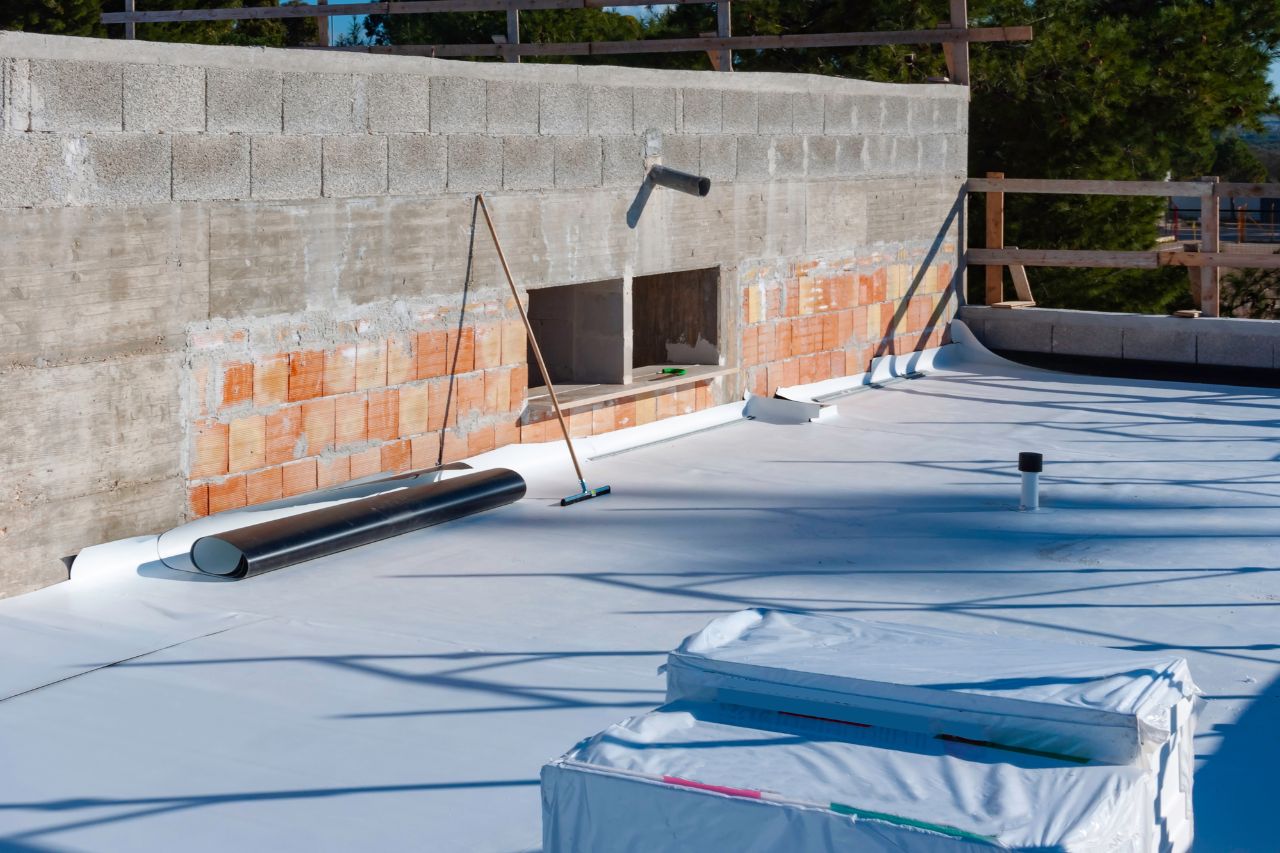
Roofs are constantly exposed to rain, sunlight, temperature changes, and other environmental conditions. Damaged waterproofing layers can allow water to enter the building.
Roof leaks may result in ceiling stains, damp insulation, damaged electrical components, or deterioration of interior surfaces.
Regular roof inspections and suitable waterproofing maintenance can help identify weak areas before they develop into larger problems.
Clean & Healthy Water Starts with Professional Water Tank Service
8. Helps Protect Basements and Foundations
Basements and foundations can be particularly vulnerable to groundwater and moisture. Water may enter through cracks, joints, walls, or floors.
If moisture remains present for extended periods, it can contribute to dampness, staining, mold growth, and deterioration of building materials.
Waterproofing solutions designed for below-ground areas can help reduce water penetration and protect these important parts of the building.
9. Improves Property Appearance
Water damage can negatively affect a property’s appearance through stains, peeling paint, discoloration, damaged surfaces, and mold growth.
Maintaining effective waterproofing can help keep walls, ceilings, floors, and external surfaces in better condition.
For commercial properties, keeping the building clean and well-maintained can help create a more professional environment for customers, employees, tenants, and visitors.
10. Helps Protect Property Value
A building with recurring water leaks and moisture problems may require significant repairs and can become less attractive to potential buyers or tenants.
Good waterproofing maintenance demonstrates that the property is being properly cared for. Addressing water-related problems early can help protect the building’s long-term condition and reduce avoidable deterioration.
11. Waterproofing Is Useful for New and Existing Buildings
Waterproofing is not only important during new construction. Existing buildings may also require waterproofing when their protective systems become damaged or deteriorated.
Existing properties may need waterproofing when they show:
- Recurring leaks
- Wall dampness
- Roof leakage
- Cracks
- Peeling paint
- Water stains
- Mold or mildew
- Damaged waterproofing membranes
An inspection can help determine the source of the problem and identify the most suitable solution.
12. Professional Application Matters
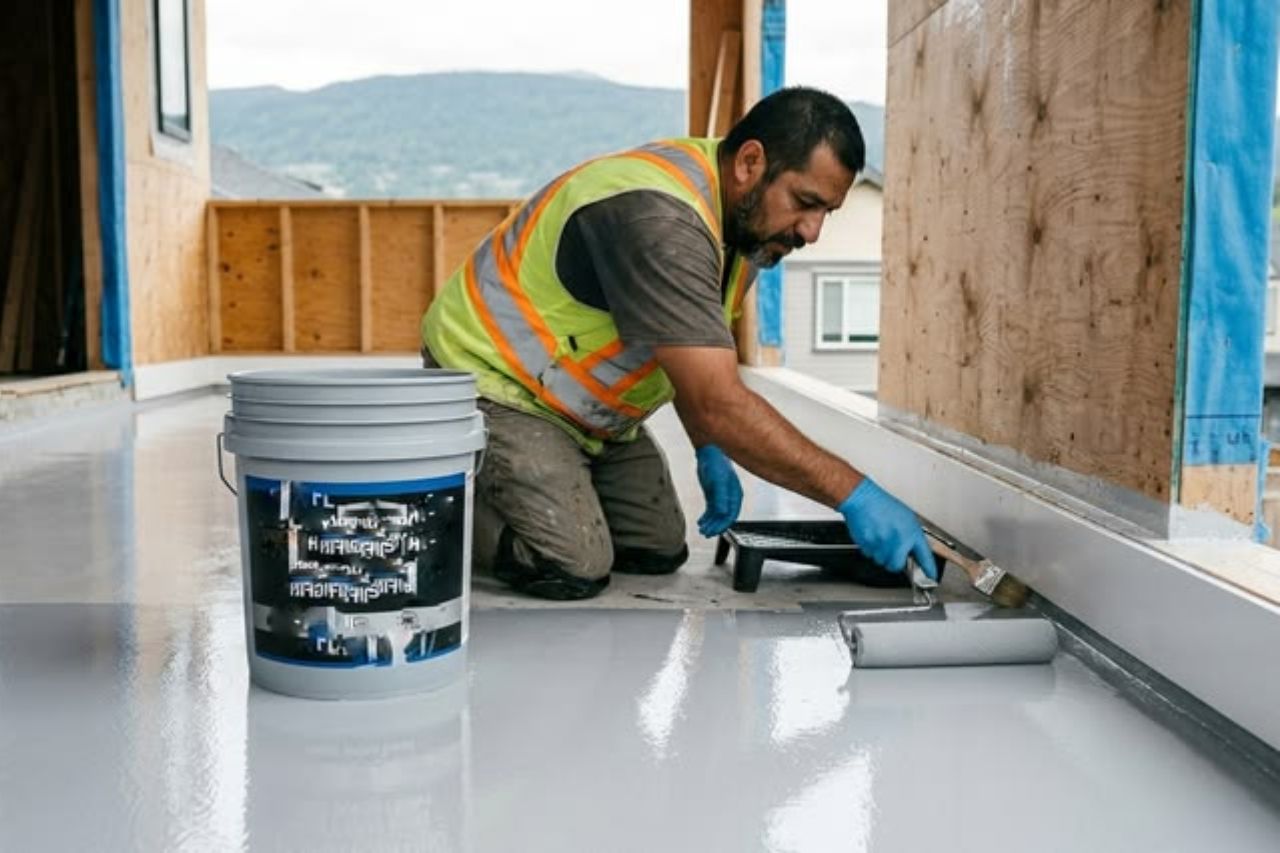
The quality of waterproofing depends not only on the product but also on preparation and application. Poor surface preparation, incorrect application, or unsuitable materials can reduce the effectiveness of the waterproofing system.
Professional waterproofing services can assess the affected area, identify potential causes, prepare the surface, and apply an appropriate waterproofing solution.
A professional process may include:
- Site inspection
- Identifying water entry points
- Surface preparation
- Repairing cracks or damaged areas
- Applying suitable waterproofing materials
- Checking the finished surface
- Providing maintenance recommendations
13. Regular Inspection Helps Prevent Problems
Waterproofing should not be treated as a one-time solution. Building surfaces are exposed to weather, movement, wear, and other conditions that can affect their performance over time.
Regular inspections can help identify small cracks, damaged membranes, blocked drainage points, or other issues before they become more serious.
Property owners should pay particular attention after heavy rainfall or when unusual dampness and leaks appear.
When Should You Consider Waterproofing Services?
Property owners should consider professional waterproofing services when signs of water penetration appear or when existing waterproofing systems become damaged.
Warning signs include:
- Recurring water leaks
- Damp walls or ceilings
- Peeling paint
- Cracked surfaces
- Musty odors
- Mold growth
- Water stains
- Pooling water
- Damaged waterproofing layers
Addressing these signs early can help prevent further deterioration.
Conclusion
Building waterproofing services help protect properties from water infiltration and moisture damage. Proper waterproofing can reduce dampness, mold growth, structural deterioration, and costly repairs.
Regular inspections, timely repairs, and professional waterproofing can help maintain the building’s condition and prevent minor leaks from becoming major problems. Making waterproofing part of routine maintenance can protect the property and reduce unexpected water-related issues.