
Commercial Water Tank Repair: What Property Owners Should Know
- August 19, 2026
- Water Tank, Water Tank Repair, Service & Refurbishment
Commercial water tanks are essential for storing and supplying water in offices, factories, apartments, hotels, shopping centers, and other large properties. Keeping them in good condition helps maintain a reliable water supply. When issues arise, timely commercial water tank repair can help prevent further damage.
Over time, tanks may develop leaks, cracks, corrosion, or damaged fittings. Understanding the warning signs, repair options, and preventive measures can help property owners avoid bigger problems, costly repairs, and water supply disruptions.
1. Know the Common Signs of Damage
Knowing the warning signs can help identify when a commercial water tank needs repair.
Common signs include:
- Cracks or leaks
- Rust or corrosion
- Damaged fittings or covers
- Reduced water flow
- Unusual pressure
- Damp areas
- Frequent pump issues
Arrange an inspection early to prevent further damage.
2. Leaks Should Not Be Ignored
Water leakage is a clear sign that a tank needs attention. Leaks may come from cracks, joints, seals, pipes, or valves, and even small leaks can lead to water loss and property damage if left untreated.
Potential consequences include:
- Water wastage
- Damp surfaces
- Damage to nearby structures
- Increased maintenance costs
- Reduced water availability
Finding the source of the leak is important because replacing or sealing one component may not resolve an underlying structural problem.
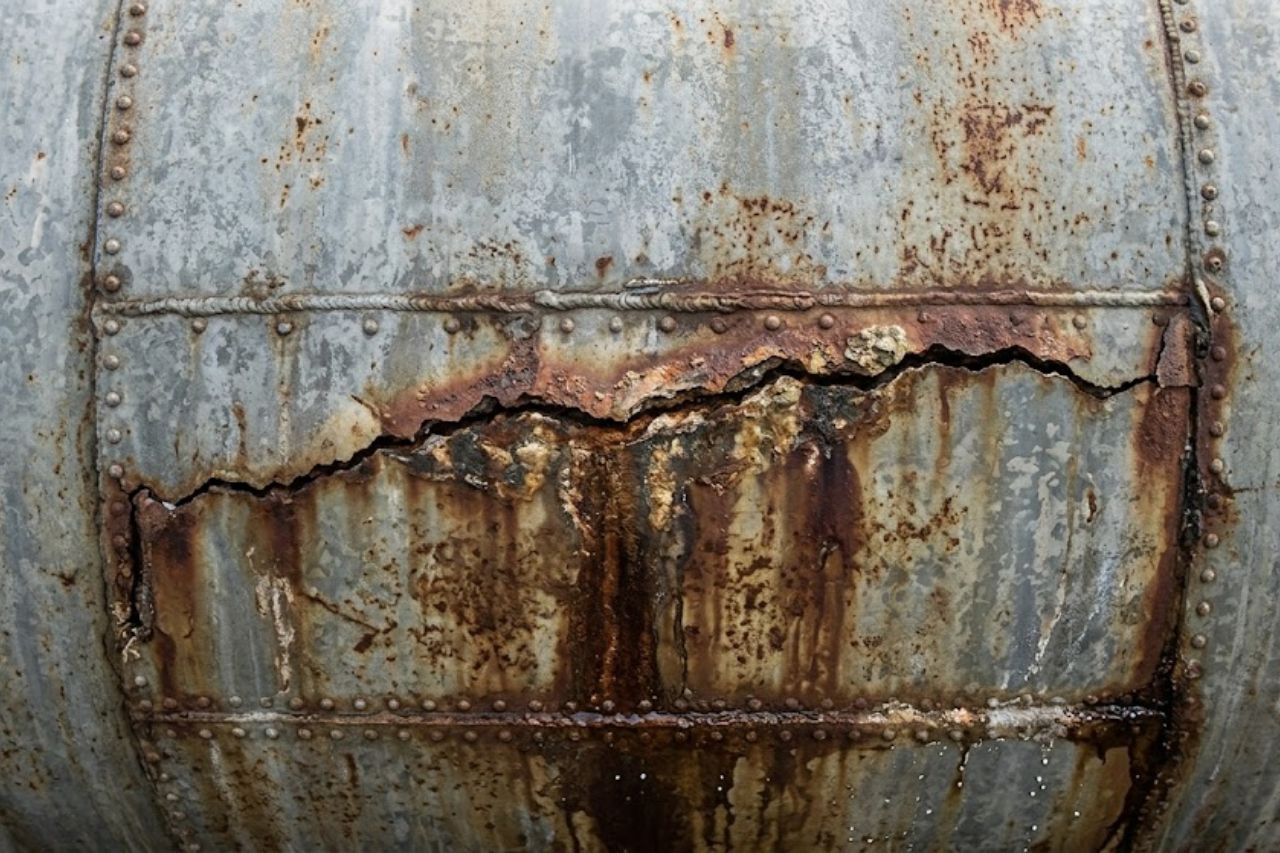
3. Corrosion Can Weaken the Tank
Metal water tanks can develop corrosion from prolonged exposure to moisture, water, chemicals, and weather conditions. If left untreated, corrosion may weaken the tank and cause leaks.
Look for:
- Rust spots
- Discoloration
- Weak or damaged surfaces
- Holes or leaks
Significant corrosion should be professionally assessed to determine whether repair or replacement is needed.
4. Cracks Require Professional Assessment
Cracks can occur in concrete, plastic, fiberglass, and other tank materials. Their seriousness depends on factors such as location, size, depth, and the condition of the surrounding structure.
Possible causes include:
- Aging
- Structural movement
- Pressure
- Impact
- Poor installation
- Material deterioration
Do not assume that every crack can be repaired using a simple sealant. A professional inspection can help determine the appropriate repair method.
5. Check Pipes, Valves, and Fittings
Commercial water tank repair should not focus only on the tank body. Connected components can also develop problems.
Pipes, valves, outlets, seals, and fittings may become damaged, loose, blocked, or worn over time.
During an inspection, check for:
- Loose connections
- Leaking valves
- Damaged seals
- Corroded fittings
- Blocked outlets
- Worn pipes
Repairing these components may help restore proper water flow and prevent further issues.
6. Sediment Buildup Can Affect Performance
Sediment, dirt, rust particles, and other debris can accumulate inside commercial water tanks. Large amounts of buildup may affect water quality and potentially enter connected pipes or pumps.
In some cases, cleaning may be sufficient to address the issue. However, if sediment buildup is associated with damaged surfaces or other structural problems, additional repair may be necessary.
This is why cleaning and inspection should often be considered together.
7. Professional Inspection Is Important
Professional inspection helps identify damage and assess the condition of commercial water tanks and their connected components.
A professional assessment can help answer questions such as:
- What caused the damage?
- How serious is the problem?
- Can the tank be repaired?
- Which components need replacement?
- Is cleaning also required?
- Could the issue happen again?
Understanding the cause is important because repairing the visible damage without addressing the underlying problem may lead to recurring issues.
Clean & Healthy Water Starts with Professional Water Tank Service
8. Repair or Replace?
Not every damaged water tank requires replacement. Repair may be suitable when the damage is limited, and the tank remains structurally sound.
Replacement may be necessary if the tank is severely damaged, repeatedly develops problems, or no longer meets the property’s needs.
Repair may be suitable when:
- Damage is limited
- The tank structure remains stable
- Components can be replaced
- Repairs are technically practical
Replacement may be considered when:
- Structural damage is extensive
- Corrosion is severe
- Repairs are repeatedly required
- The tank has reached the end of its service life
- Capacity no longer meets building needs
A professional assessment can help property owners make a more informed decision.
9. Consider the Cost of Repairs
Commercial water tank repair costs can vary significantly depending on the type and extent of damage. A small fitting replacement will generally involve different work from repairing a major structural crack.
Factors that can affect repair costs include:
- Tank size
- Tank material
- Location
- Type of damage
- Accessibility
- Required equipment
- Replacement components
- Labor requirements
- Additional cleaning or inspection
Property owners should request a clear assessment before approving major repair work.
10. Minimize Disruption to Building Operations
Commercial properties often depend on continuous access to water. Repair work may therefore need to be carefully planned to minimize disruption.
Property managers should discuss the expected repair duration, water supply interruptions, access requirements, and safety procedures with the contractor before work begins.
For larger properties, repairs may also need to be coordinated with building management, tenants, maintenance teams, or other contractors.
11. Do Not Ignore Safety Requirements
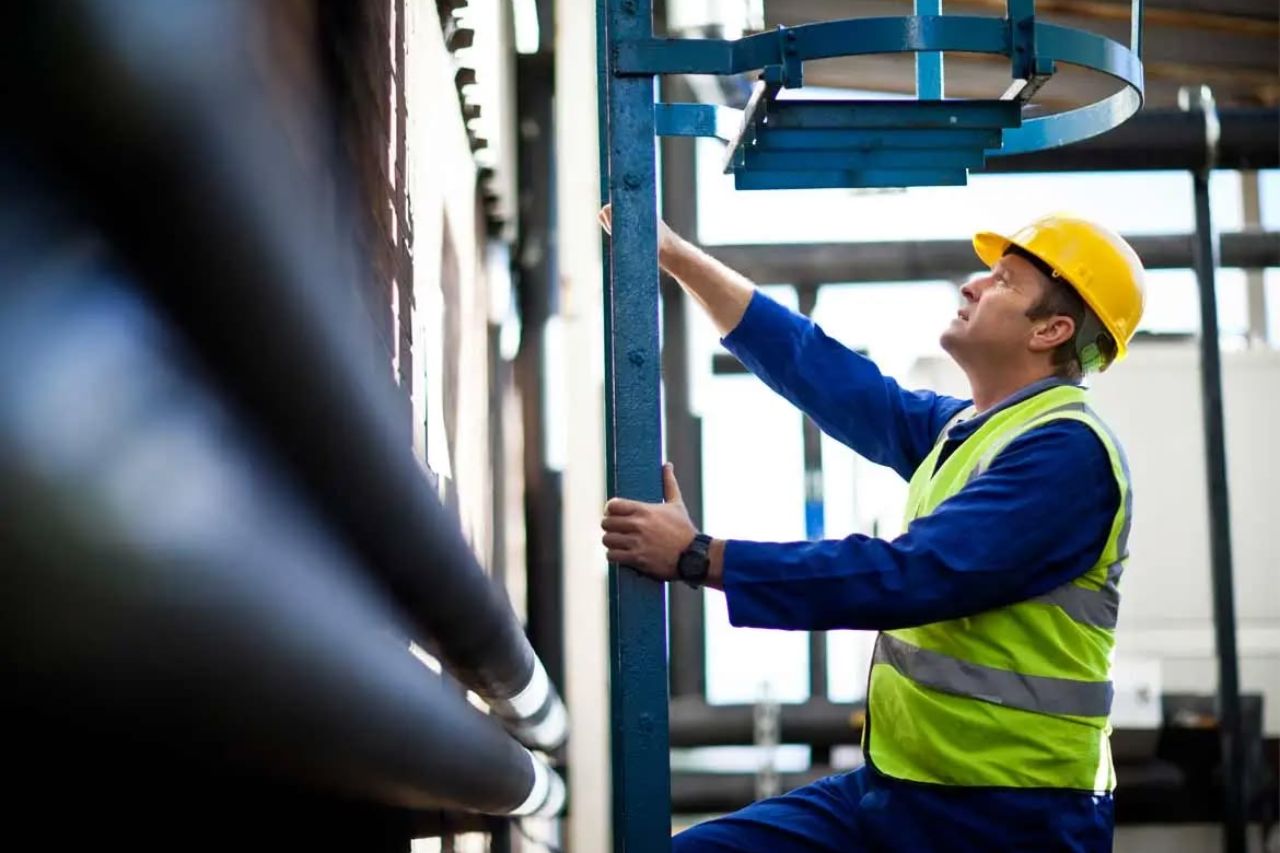
Commercial water tank repairs can involve various safety risks, so proper procedures and equipment are essential. Property owners should engage qualified professionals experienced in commercial tank maintenance.
Key considerations:
- Working at heights
- Confined spaces
- Electrical equipment
- Heavy components
- Proper safety procedures
12. Regular Cleaning Can Help Prevent Problems
Regular cleaning helps remove sediment and debris that can affect water quality and equipment. It also makes it easier to inspect the tank and carry out necessary maintenance.
A maintenance routine may include:
- Regular tank cleaning
- Visual inspections
- Leak checks
- Corrosion checks
- Pipe and valve inspections
- Pump inspections
- Cover and access point checks
- Maintenance records
The appropriate schedule depends on the tank, building, water source, usage, and applicable requirements.
13. Keep Maintenance Records
Maintaining detailed records can help property owners manage commercial water tank repairs more efficiently.
Records can include:
- Cleaning dates
- Inspection findings
- Previous repairs
- Replaced components
- Water quality checks
- Contractor details
- Recommended follow-up work
These records can help property managers identify recurring issues and plan future maintenance.
14. Choose the Right Repair Service
Choosing an experienced commercial water tank repair provider is important, particularly for large or complex systems.
Before hiring a service provider, property owners may want to consider:
- Relevant commercial experience
- Repair capabilities
- Safety practices
- Inspection procedures
- Equipment used
- Clear quotations
- Maintenance support
A suitable provider should be able to explain the problem clearly and recommend an appropriate solution based on the tank’s condition.
Final Thoughts
Commercial water tank repairs should be addressed promptly when leaks, cracks, corrosion, or damaged fittings are found. Ignoring minor issues can lead to bigger problems, higher costs, and disruptions to the water supply.
Regular inspections, cleaning, and timely repairs can help maintain the tank’s condition and performance. Professional assessment is recommended for serious damage, recurring leaks, or complex water systems.