
Building Waterproofing Solutions for Residential, Commercial, and Industrial Properties
- June 13, 2026
- Building Waterproofing
Waterproofing is one of the most essential aspects of building maintenance, yet it is often overlooked until visible problems appear. In Malaysia’s tropical climate, with high humidity and frequent heavy rainfall, buildings are constantly exposed to moisture-related risks. Without proper waterproofing systems, properties can suffer from water leakage, structural damage, mold growth, and long-term deterioration.
Whether for residential homes, commercial complexes, or industrial facilities, effective building waterproofing solutions play a critical role in protecting buildings, extending their lifespan, and maintaining a safe and comfortable environment. This article explores the importance of waterproofing, common problem areas, and the most effective solutions for various property types.
Understanding Building Waterproofing
Building waterproofing refers to the process of making a structure resistant to water penetration. It involves applying specialized materials, coatings, and systems that prevent water from entering or damaging building components.
Waterproofing is applied to areas that frequently experience water or moisture exposure, including roofs, basements, bathrooms, water tanks, and external walls.
Key objectives of waterproofing include:
- Preventing water leakage and seepage
- Protecting structural integrity
- Reducing moisture-related damage
- Preventing mold and mildew growth
- Enhancing building durability
- Improving indoor air quality
Proper waterproofing ensures that buildings remain safe, functional, and visually intact over time.
Why Waterproofing is Important in Malaysia
Malaysia’s climate makes waterproofing a necessity rather than an option. High rainfall, humidity, and temperature fluctuations can accelerate building deterioration if moisture is not properly controlled.
Common issues caused by poor waterproofing:
- The roof leaks during heavy rain
- Damp walls and ceilings
- Paint peeling and surface bubbling
- Mold and mildew growth
- Concrete cracking and corrosion of steel reinforcement
- Structural weakening over time
These issues not only affect the appearance of a building but also compromise safety and increase maintenance costs.
Residential Waterproofing Solutions
Residential properties require effective waterproofing to ensure comfort, safety, and long-term durability.
1. Roof Waterproofing
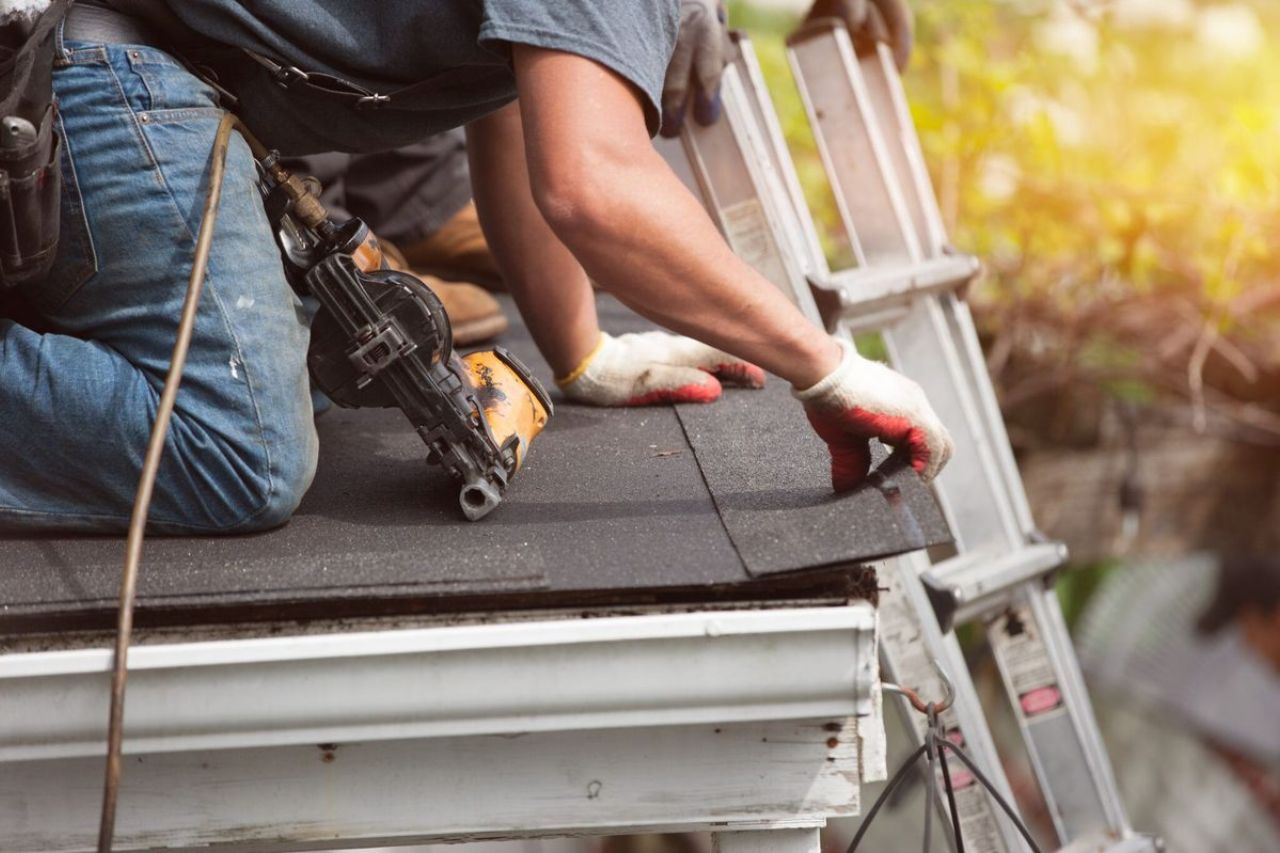
Roofs are the most exposed part of any building and are highly vulnerable to water leakage.
Common solutions include:
- Liquid-applied waterproof coatings
- Bituminous membranes
- Polyurethane waterproofing systems
These systems help prevent rainwater penetration and protect interior spaces.
2. Bathroom and Wet Area Waterproofing
Bathrooms, kitchens, and laundry areas are constant sources of moisture.
Waterproofing methods include:
- Cementitious coatings
- Liquid membrane systems
- Tile grout sealing
Proper waterproofing prevents leaks to lower floors and structural damage.
3. Basement Waterproofing
Basements are highly prone to water seepage due to their underground location.
Effective solutions include:
- External membrane systems
- Drainage boards
- Injection grouting for cracks
These systems help keep basements dry and usable.
Commercial Waterproofing Solutions
Commercial buildings such as offices, shopping malls, and hotels require more advanced waterproofing systems due to higher usage and larger structural complexity.
1. Flat Roof Waterproofing
Many commercial buildings have flat roofs that require specialized protection.
Solutions include:
- Reinforced membrane systems
- PU (polyurethane) coatings
- Reflective waterproof coatings for heat resistance
These systems provide durability and weather resistance.
2. External Wall Waterproofing
External walls are exposed to rain, wind, and pollution.
Waterproofing methods include:
- Acrylic coatings
- Elastomeric paints
- Crack injection systems
These solutions prevent water seepage and maintain building aesthetics.
3. Podium and Parking Deck Waterproofing
Parking structures endure continuous traffic loads and persistent water exposure.
Common solutions include:
- Heavy-duty membrane systems
- Traffic-grade coatings
- Anti-slip waterproof surfaces
These systems ensure durability under heavy usage.
Clean & Healthy Water Starts with Professional Water Tank Service
Industrial Waterproofing Solutions
Industrial facilities face more demanding conditions due to machinery, chemical exposure, and heavy operational loads.
1. Chemical-Resistant Waterproofing
Factories and industrial plants often require waterproofing systems that can withstand chemical exposure.
Solutions include:
- Epoxy coatings
- Chemical-resistant membranes
- Protective industrial sealants
These materials prevent corrosion and surface degradation.
2. Roof and Structural Waterproofing
Large industrial roofs require durable and long-lasting systems.
Common solutions:
- High-performance membrane systems
- Spray-applied polyurethane coatings
- Reinforced concrete waterproofing additives
These systems help protect large-scale structures from water damage.
3. Water Tank Waterproofing
Industrial water storage systems require internal waterproofing to maintain water quality and prevent leakage.
Solutions include:
- Epoxy tank linings
- Cementitious coatings
- FRP protective layers
These systems ensure safe and reliable water storage.
Common Waterproofing Problem Areas
Across all property types, certain areas are more prone to water-related issues.
Key vulnerable areas include:
- Roof slabs and joints
- Basement walls
- Bathrooms and wet zones
- External building facades
- Water tanks and reservoirs
- Expansion joints and cracks
Identifying these areas early helps prevent major structural damage.
Benefits of Professional Waterproofing Solutions
Investing in professional waterproofing services provides long-term advantages for property owners.
Key benefits include:
- Extended building lifespan
- Reduced maintenance costs
- Protection against structural damage
- Improved indoor comfort
- Prevention of mold and health risks
- Increased property value
Professional waterproofing ensures proper material selection, correct application, and long-lasting results.
Signs Your Building Needs Waterproofing
Property owners should look out for early warning signs of water damage.
Common indicators include:
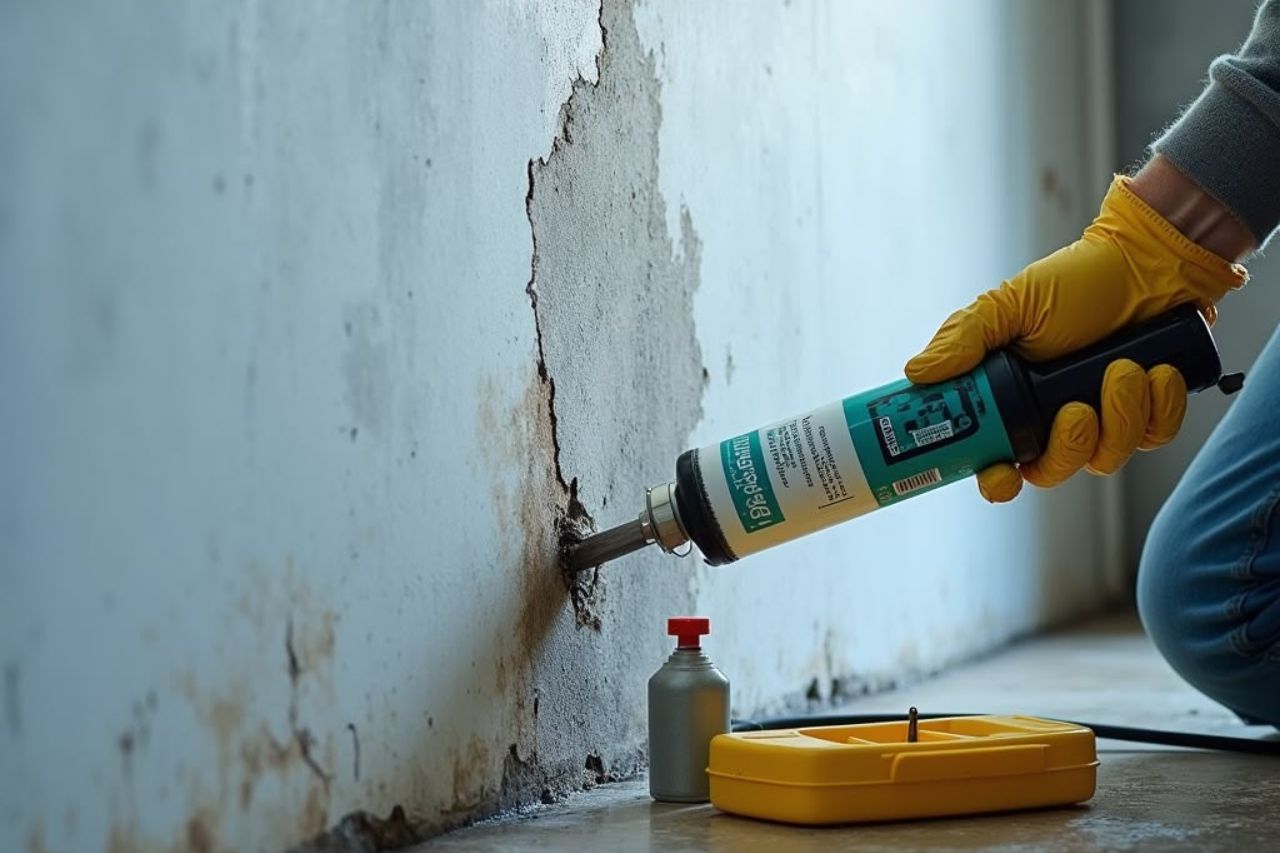
- Water stains on walls or ceilings
- Peeling paint or plaster
- Damp or musty odors
- Visible cracks on surfaces
- Mold growth in corners or hidden areas
- Persistent leaks during rainfall
Early detection allows for timely repairs and prevents costly damage.
Choosing the Right Waterproofing System
Selecting the right waterproofing solution depends on several factors:
- Type of building (residential, commercial, industrial)
- Exposure to water and weather conditions
- Structural design and materials
- Budget and maintenance requirements
- Expected lifespan of the solution
A professional assessment is essential to determine the most suitable system.
Maintenance and Long-Term Care
Even the best waterproofing systems require periodic inspection and maintenance to remain effective.
Maintenance practices include:
- Regular inspection of roofs and walls
- Reapplication of coatings when needed
- Cleaning drainage systems
- Repairing cracks promptly
- Monitoring high-risk areas
Preventive maintenance helps extend the life of waterproofing systems.
Conclusion
Building waterproofing is a critical investment for residential, commercial, and industrial properties in Malaysia. With the country’s heavy rainfall and humid climate, proper waterproofing systems are essential to protect buildings from water damage, structural deterioration, and costly repairs.
From roofs and basements to industrial structures and water tanks, every property type requires tailored waterproofing solutions. By investing in professional waterproofing systems and regular maintenance, property owners can ensure long-term durability, safety, and comfort while preserving the value of their assets for years to come.