
How Often Should You Schedule Water Tank Maintenance?
- May 8, 2026
- Water Tank, Water Tank Repair, Service & Refurbishment
Clean water is something most people take for granted, yet it depends heavily on how well your storage system is maintained. Whether it’s for a residential home or a commercial building, a neglected water tank can quickly become a source of contamination rather than convenience. This raises an important question that many property owners overlook: how often should you actually schedule maintenance?
The truth is, there isn’t a single fixed answer. The ideal schedule depends on usage, environment, and the type of system you have. Still, understanding general guidelines and warning signs can help you stay ahead of potential problems and keep your water supply safe.
Why Regular Maintenance Matters
Water tanks are constantly exposed to elements that can affect water quality. Over time, sediment, bacteria, and even algae can build up inside the tank. Without proper care, these issues can lead to health risks and system inefficiencies.
Regular water tank maintenance plays a key role in:
- Keeping stored water clean and safe for use
- Preventing the buildup of harmful microorganisms
- Extending the lifespan of the tank
- Reducing the likelihood of costly repairs
Neglecting maintenance doesn’t just affect water quality. It can also damage internal components, clog pipes, and reduce overall system performance.
General Recommended Frequency
For most households and small buildings, a good rule of thumb is to clean and inspect the tank every six months. This timeline works well for systems connected to treated municipal water, where contamination risks are relatively lower.
However, this is only a baseline. In some cases, more frequent checks may be necessary. For example:
- Quarterly maintenance is ideal for high-usage systems
- Annual cleaning may be sufficient for low-usage tanks
- Tanks using untreated water sources often require more attention
Rather than following a rigid schedule, it’s better to treat these guidelines as a starting point and adjust based on your specific situation.
Factors That Affect Maintenance Frequency
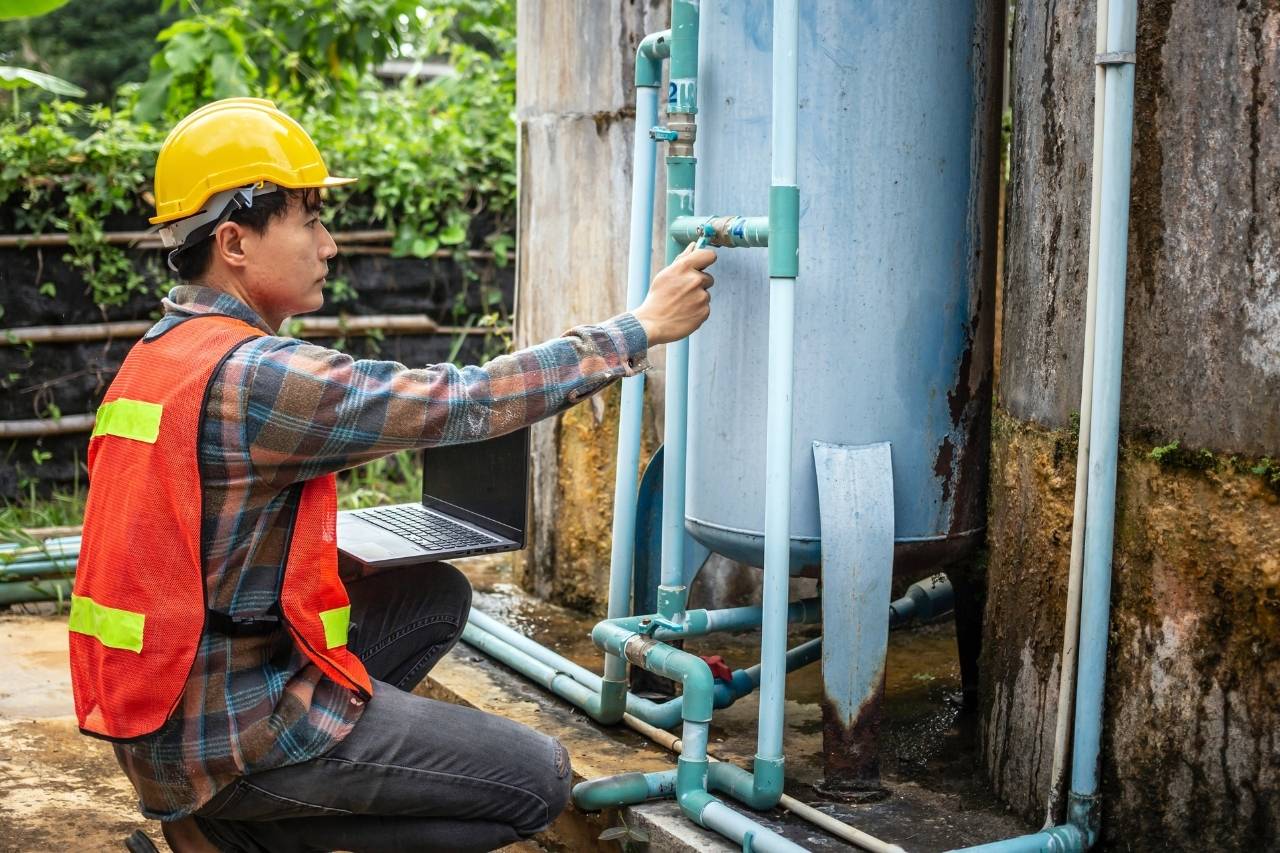
Several factors influence how often your water tank needs attention. Understanding these can help you create a more practical and effective schedule.
Type of Property
Residential properties typically have lower water usage compared to commercial or industrial buildings. A family home may not need maintenance as often as a factory or office building where water demand is constant.
Water Source
The source of your water plays a significant role. Tanks filled with rainwater or groundwater are more prone to contamination than those supplied by treated municipal systems. Natural sources often carry sediments and organic matter that settle over time.
Tank Material and Size
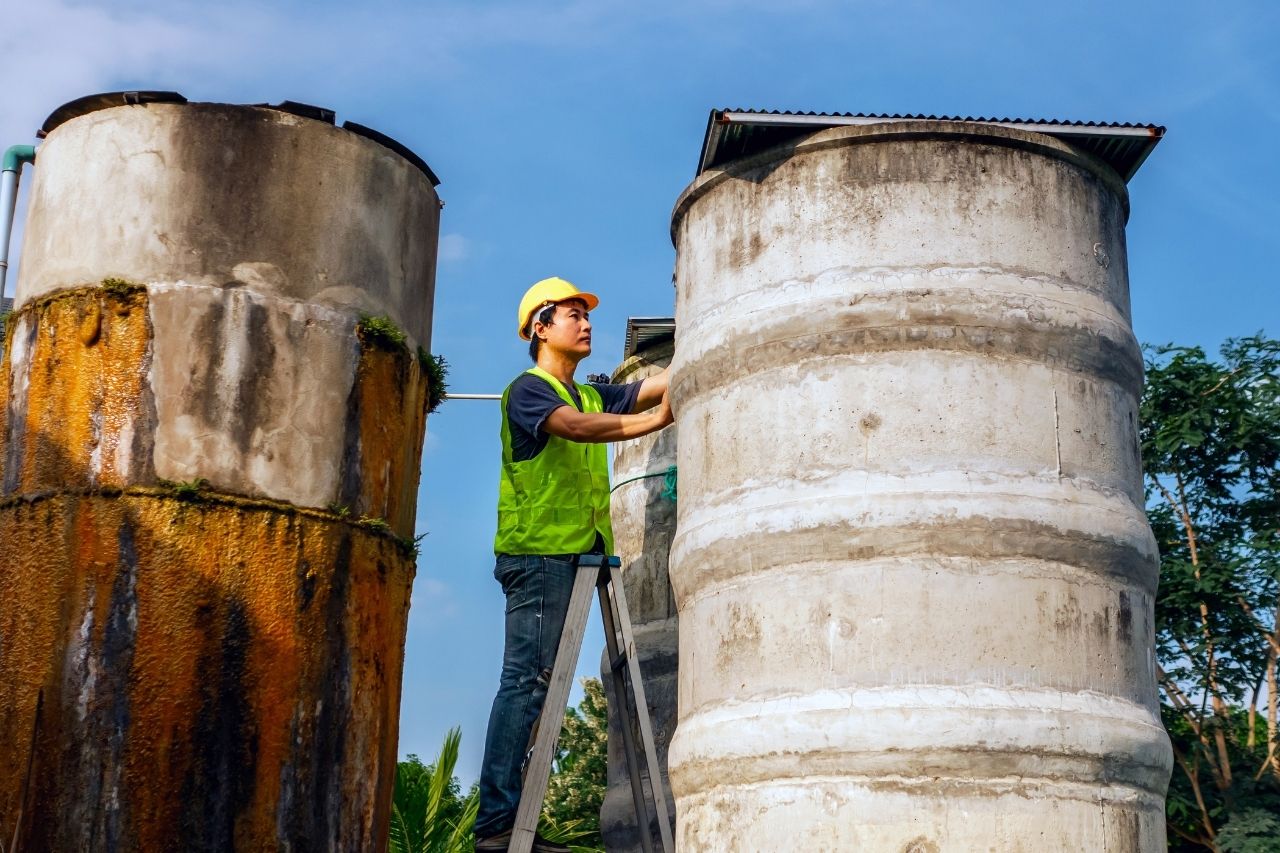
Different materials react differently to environmental conditions. For example, concrete tanks may develop cracks, while plastic tanks are more prone to algae growth if exposed to sunlight. Larger tanks also tend to accumulate more sediment simply because of their capacity.
Environmental Conditions
Outdoor tanks are more exposed to dust, debris, and temperature changes. In warmer climates, algae can grow more quickly, which means more frequent cleaning is needed.
Usage Level
The more frequently water is used, the higher the chance of contaminants entering the system. On the other hand, stagnant water in low-usage tanks can also lead to bacterial growth.
Signs Your Tank Needs Immediate Attention
Even with a schedule in place, it’s important to stay alert to warning signs. Sometimes, your tank may need cleaning sooner than expected.
Look out for the following:
- Unusual smell or taste in the water
- Discoloration or visible particles
- Slime or algae inside the tank
- Reduced water pressure
- Presence of insects or debris
These signs shouldn’t be ignored. Acting quickly can prevent more serious issues from developing.
Clean & Healthy Water Starts with Professional Water Tank Service
Suggested Maintenance Schedule
If you’re unsure where to start, a simple structured plan can make things easier to manage. Here’s a practical breakdown:
- Monthly:
Perform a quick visual inspection to check for leaks, cracks, or loose fittings
- Every 3–6 months:
Clean the tank interior and remove any visible sediment
- Every 6–12 months:
Carry out deep cleaning and disinfection
- Annually:
Schedule a professional inspection for a thorough assessment
This type of routine ensures that problems are detected early while keeping the system running efficiently.
DIY vs Professional Maintenance
Some property owners prefer handling maintenance themselves, while others rely on professionals. Both approaches have their advantages, depending on the situation.
DIY Maintenance
Basic inspections and light cleaning can usually be done without professional help. This approach is cost-effective and suitable for smaller tanks. However, it does come with limitations, especially when dealing with deep cleaning or hard-to-reach areas.
Professional Services
Hiring professionals ensures a more thorough job. They have the right equipment, experience, and safety procedures to clean and disinfect tanks properly. This is especially important for large systems or commercial properties.
In many cases, a combination of both works best. Regular self-checks paired with occasional professional servicing can keep your system in optimal condition.
Tips to Maintain Your Tank Between Services
Keeping your tank in good shape doesn’t always require major effort. Small habits can make a big difference over time.
Here are a few simple tips:
- Ensure the tank is tightly sealed to prevent debris from entering
- Install filters to reduce sediment buildup
- Avoid storing water for extended periods without circulation
- Check for leaks or cracks regularly
- Keep the surrounding area clean and free from contaminants
These steps help maintain water quality and reduce the frequency of major cleaning.
Common Mistakes to Avoid
Despite good intentions, some mistakes can undermine your efforts. Being aware of these can save time and prevent unnecessary problems.
- Ignoring early warning signs
- Skipping scheduled maintenance
- Using improper cleaning chemicals
- Assuming clear water is always safe
Clear water can still contain harmful bacteria, so visual appearance alone isn’t a reliable indicator of cleanliness.
Conclusion
Determining how often to schedule maintenance isn’t about following a strict rule. It’s about understanding your system and adapting to its needs. While general guidelines suggest cleaning every six months, factors like usage, environment, and water source can shift that timeline.
Staying consistent with inspections and acting quickly when issues arise will go a long way in protecting your water supply. In the long run, proper water tank maintenance not only ensures safety but also helps you avoid unnecessary expenses and system failures.