
How Weather and Climate Affect Your Water Tank Inspection Needs
- May 6, 2026
- Water Tank, Water Tank Repair, Service & Refurbishment
Weather and climate often influence parts of a building that people rarely think about. One of the most commonly ignored systems is water storage. Whether it is for residential homes, commercial buildings, or industrial facilities, a water tank plays a critical role in daily water supply. A proper water tank inspection helps ensure the stored water remains clean, safe, and suitable for use throughout the year.
What many property owners do not realise is that environmental conditions slowly affect the structure and quality of water storage systems. Heat, heavy rain, humidity, storms, and seasonal changes all contribute to long-term wear and tear. Problems such as cracks, algae growth, rust, or contamination usually develop gradually, making them easy to miss without regular checks.
Understanding how weather and climate affect your water tank helps you plan better maintenance and avoid unexpected repair costs or water safety issues in the future.
1. Understanding the Importance of Water Tank Inspection
A water tank inspection is a structured process that evaluates both the internal and external condition of a tank. The main purpose is to ensure that the system is functioning properly and that the water stored remains safe for consumption or daily use.
During a typical inspection, professionals will assess several key areas such as structural integrity, water quality, and connection points. These checks are important because many issues are not visible without proper tools or access inside the tank.
Common inspection focus areas include:
- Cracks or leaks on the tank surface
- Sediment or dirt accumulation at the base
- Rust formation in metal tanks or fittings
- Algae or bacterial growth inside the tank
- Condition of pipes, seals, and inlet/outlet valves
Regular inspections help prevent minor issues from turning into major system failures. More importantly, they ensure that water quality is not compromised over time.
2. Hot and Dry Weather Conditions
Hot and dry climates can have a direct impact on , especially tanks that are exposed to sunlight for long hours. When temperatures rise, materials used in tanks tend to expand during the day and contract at night. Over time, this repeated cycle can weaken the structure.
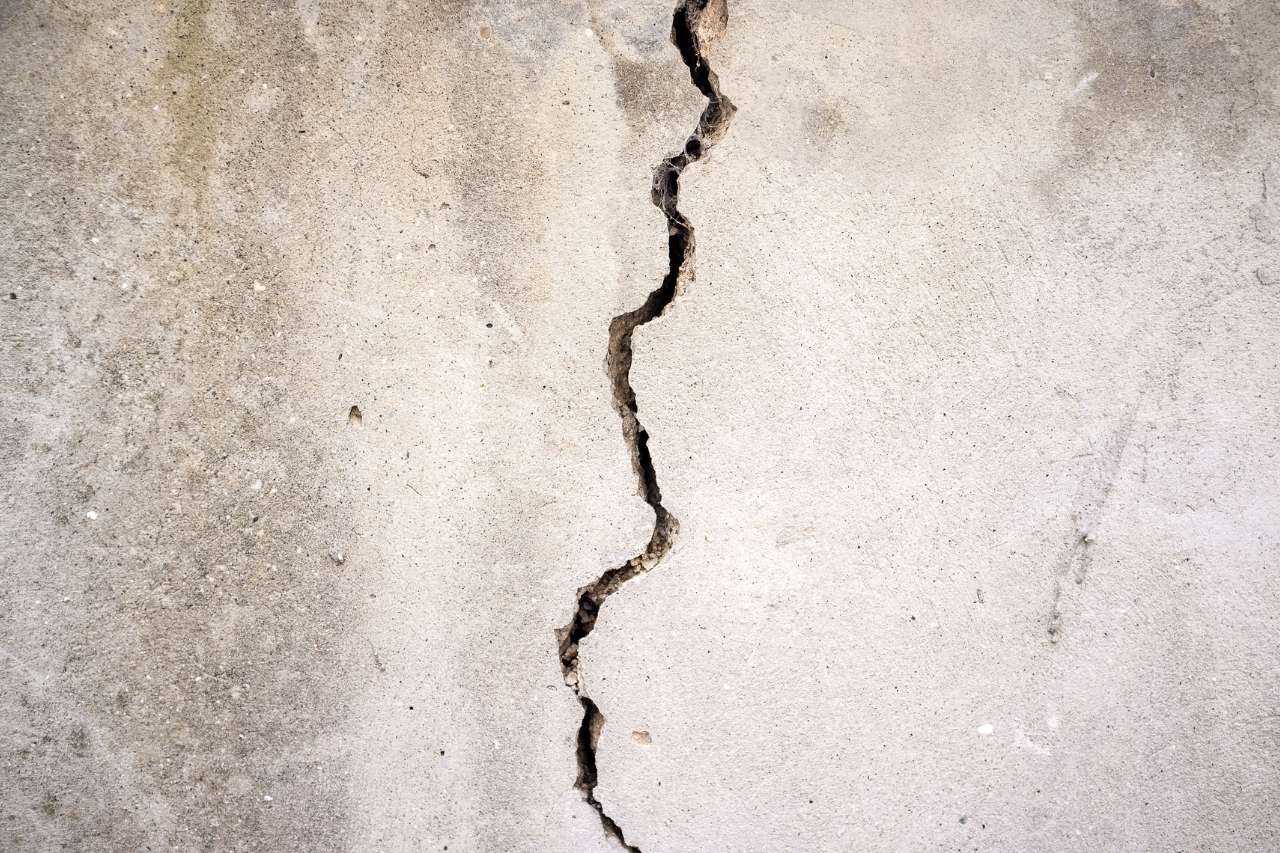
One of the most common issues in hot climates is surface cracking. These cracks may start small but can gradually grow larger if left unchecked. Another concern is water evaporation, which reduces overall storage capacity and may affect supply consistency.
In some cases, warm stagnant water can also encourage algae growth, especially if the tank is not properly sealed or cleaned regularly.
Key risks in hot weather:
- Expansion-related cracks in tank walls
- Faster evaporation of stored water
- Algae growth due to warm conditions
- Reduced water availability during peak heat periods
Because of these risks, property owners in hot regions should schedule more frequent inspections to ensure the system remains in good condition.
3. Heavy Rain and High Humidity
Heavy rainfall and humid conditions introduce a completely different set of challenges. Excess moisture can gradually affect both the tank structure and water quality inside.
When rainwater collects around tanks or enters through weak seals, it can introduce contaminants that compromise water safety. Humidity also increases the likelihood of mould and bacterial growth, especially in poorly ventilated tanks.
Some common issues include:
- Corrosion of metal components due to moisture exposure
- Mold growth around lids and sealing points
- Overflow problems during continuous rainfall
- Contamination from external water entry
After periods of heavy rain, a water tank inspection becomes especially important. Even if the water looks clean, hidden contamination may still exist. A quick check of seals, lids, and pipe connections can help prevent long-term water quality issues.
4. Storms and Extreme Weather Events
Severe weather events such as storms, strong winds, and flooding can cause sudden and sometimes hidden damage to water tanks. Unlike gradual wear and tear, storm damage often happens quickly and may not be immediately visible.
Strong winds can shift tank alignment or loosen fittings, while flooding can introduce dirty water into the system. Even structural supports may weaken if the ground becomes unstable.
Possible storm-related issues:
- Misalignment of tank structure
- Cracked or weakened support bases
- Contaminated water due to flood entry
- Damaged overflow and drainage systems
After any extreme weather event, it is strongly recommended to conduct a detailed inspection. Early detection helps prevent contamination risks and expensive repair work later.
Clean & Healthy Water Starts with Professional Water Tank Service
5. Seasonal Changes and Inspection Timing
Seasonal changes affect water tanks in different ways, which is why inspection timing should be adjusted throughout the year instead of following a fixed schedule.
Each season brings unique conditions that influence tank performance:
- Rainy season increases risk of overflow and contamination
- Dry season causes heat stress and water level reduction
- Transitional seasons may reveal structural fatigue
A practical approach is to plan inspections:
- Before monsoon seasons begin
- Immediately after heavy rainfall periods
- At least once or twice per year as a minimum standard
By aligning inspection schedules with seasonal changes, property owners can maintain better control over water safety and system durability.
6. Urban vs Rural Environmental Conditions
The surrounding environment also plays a major role in determining how often inspections should be done. Urban and rural areas expose water tanks to different types of risks.
In urban environments, air pollution, dust, and construction activities are common. These factors can gradually affect water quality and tank cleanliness. On the other hand, rural areas are more exposed to natural contaminants such as leaves, insects, soil, and organic debris.
Environmental differences:
- Urban: dust, pollutants, chemical exposure
- Rural: organic debris, sediment, natural contamination
Because of these variations, a water tank inspection routine should always be tailored based on location rather than using a general schedule.
7. Long-Term Climate Effects on Water Tanks
Over time, constant exposure to environmental conditions will naturally degrade any water storage system. Even if the changes are slow, they can significantly affect performance and lifespan.
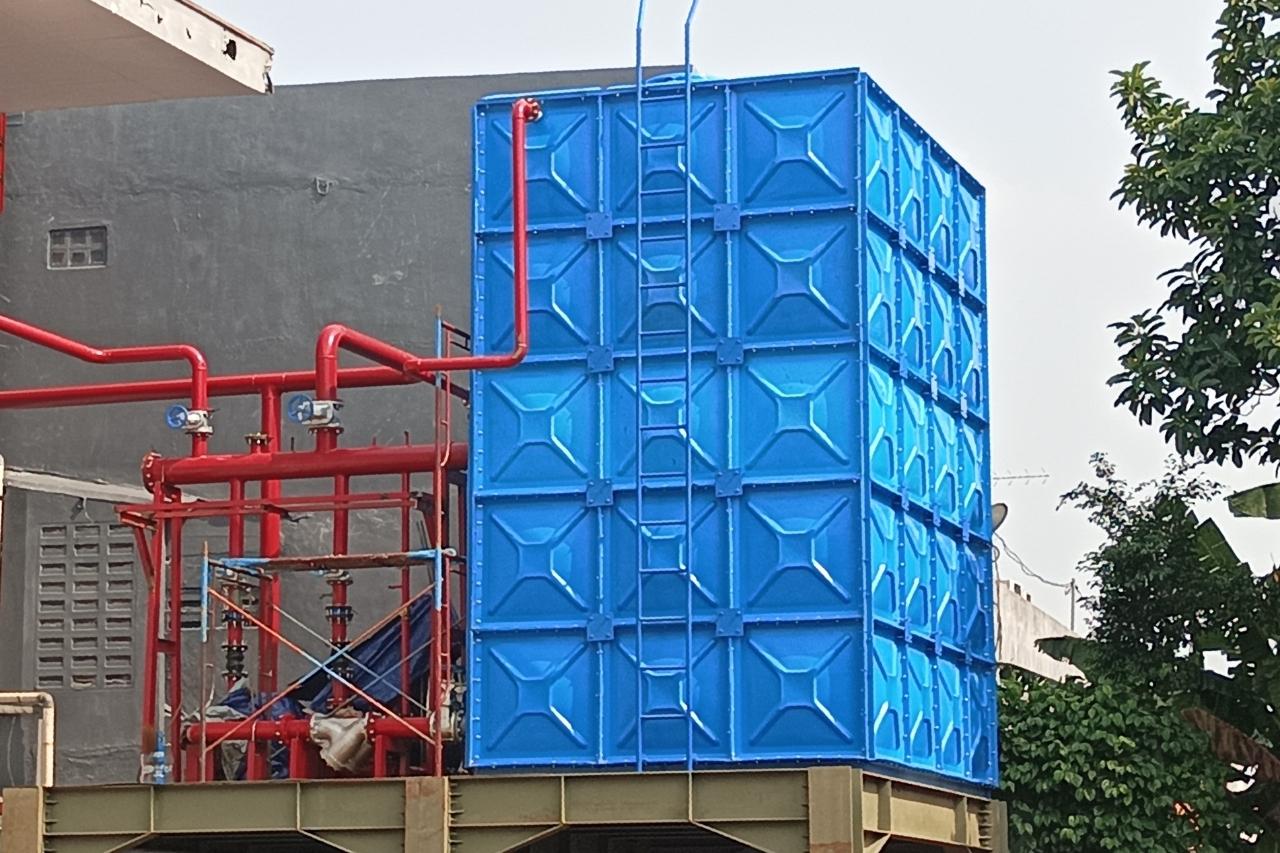
UV rays from sunlight can weaken plastic tanks, while humidity accelerates corrosion in metal tanks. These effects are not immediately obvious but build up over years of exposure.
Long-term impacts include:
- Gradual weakening of tank material
- Increased risk of leaks and cracks
- Reduced structural stability
- Shortened lifespan of the entire system
This is why preventive maintenance is always more effective than reactive repairs. Regular inspections help identify early signs of deterioration before they become serious issues.
Conclusion
Weather and climate have a continuous impact on water storage systems. From heat exposure to heavy rain and storms, each environmental factor contributes to gradual wear, contamination risks, and structural stress.
By understanding these effects and adjusting maintenance routines accordingly, property owners can significantly improve water safety and system durability. A consistent water tank inspection is one of the most effective ways to prevent long-term damage and ensure clean water supply throughout the year.
Ultimately, proactive maintenance is always more cost-effective and reliable than waiting for problems to appear.