
10 Signs You Need a Building Waterproofing Specialist Immediately
- May 4, 2026
- Building Waterproofing
Water damage is one of those problems that often goes unnoticed until it becomes expensive and stressful to fix. What starts as a small leak or a faint stain can slowly develop into structural issues, mould growth, and long-term deterioration. Many property owners tend to overlook early warning signs, assuming they are minor or temporary. Unfortunately, water rarely fixes itself.
Recognising these early signals can make a huge difference. Acting quickly not only protects your building but also helps you avoid major repair costs later on. If you’ve been noticing unusual changes around your property, it may be time to consult a building waterproofing specialist before things escalate.
1. Persistent Water Stains on Walls or Ceilings
Water stains are often the first visible sign that something isn’t right. These stains usually appear as yellowish or brown patches and tend to grow over time.
What makes them concerning is that they often point to hidden leaks behind walls or above ceilings. Even if the surface looks dry, moisture may still be trapped inside.
- Stains that keep reappearing after cleaning
- Discoloration spreading across surfaces
- Damp texture when touched
Ignoring this can lead to weakened materials and potential structural damage.
2. Peeling Paint or Bubbling Plaster
If your walls look like the paint is lifting or bubbling, moisture could be the reason. Water trapped beneath the surface disrupts the bond between paint and wall.
This issue is especially common in areas exposed to humidity, such as bathrooms or kitchens, but it can also happen on exterior walls exposed to rain.
Simply repainting the surface might make it look better temporarily, but the problem will return if the source of moisture isn’t addressed.
3. Mould and Mildew Growth
Mould thrives in damp environments, and once it starts growing, it spreads quickly. Aside from being unpleasant to look at, mould can also affect indoor air quality and health.
You might notice it in:
- Corners of walls or ceilings
- Behind furniture
- Around windows or air-conditioning units
A persistent mould issue is often a clear sign of underlying moisture problems that require professional attention.
4. Musty or Damp Odors Indoors
Sometimes, you don’t see the problem—you smell it first. A musty odour usually indicates trapped moisture somewhere within the building.
Even after cleaning or airing out the space, the smell tends to come back. This is because the source of the moisture remains untreated.
If your home or office constantly smells damp, it’s worth investigating further instead of masking it with air fresheners.

5. Cracks in Walls or Foundation
Not all cracks are dangerous, but some can allow water to seep into the building. Over time, this can worsen the damage and lead to bigger structural issues.
Look out for:
- Horizontal or widening cracks
- Cracks near windows and doors
- Gaps in the foundation
Water entering through these openings can weaken the integrity of your structure if left unattended.
6. Water Pooling Around the Building
After heavy rain, take a look at the area surrounding your property. If water tends to collect near the foundation, it could eventually seep inside.
Poor drainage systems or uneven ground can contribute to this issue. Over time, constant exposure to standing water increases the risk of leaks and foundation damage.
Simple adjustments like improving drainage can help, but in many cases, professional waterproofing solutions are necessary.
7. Basement or Ground Floor Flooding
Flooding is one of the more obvious signs that waterproofing is needed. Basements and ground floors are especially vulnerable because they sit closest to the ground.
During heavy rain, water can enter through walls, floors, or small cracks. Even minor flooding can cause long-term issues if it happens repeatedly.
Besides damaging belongings, it can also lead to:
- Mold growth
- Structural weakening
- Electrical hazards
This is a situation where immediate action is crucial.
Clean & Healthy Water Starts with Professional Water Tank Service
8. Damp or Warped Flooring
Flooring materials react quickly to moisture. If you notice your floors starting to warp, buckle, or feel soft underfoot, water may be the cause.
Wood and laminate are particularly sensitive, but even tiles can show signs if moisture builds underneath.
Replacing flooring can be costly, so it’s important to address the root problem before the damage spreads further.
9. Efflorescence (White Powder on Walls)
Efflorescence might look harmless at first, but it’s a clear indicator of water movement through surfaces like concrete or brick.
This white, powdery substance forms when water carries salts to the surface and leaves them behind as it evaporates.
While it may not cause immediate damage, it signals ongoing moisture intrusion that shouldn’t be ignored.
10. Rising Utility or Repair Costs
Sometimes the signs are not physical but financial. If you find yourself repeatedly fixing the same issues or noticing higher water bills, there could be hidden leaks.
Recurring repairs are often a sign that the underlying issue hasn’t been properly resolved.
Instead of continuing with temporary fixes, it may be more cost-effective to consult a building waterproofing specialist who can provide a long-term solution.
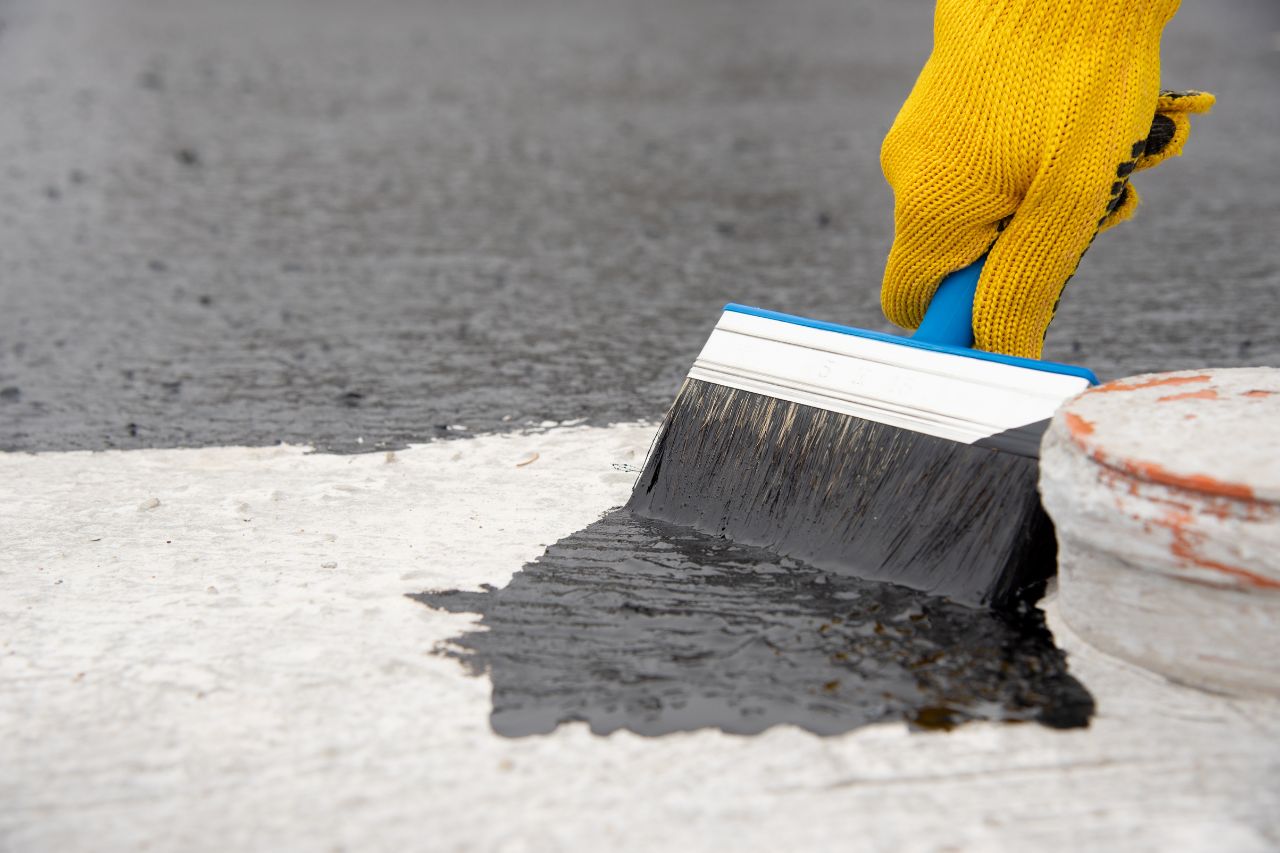
When Should You Call a Professional?
If you notice more than one of these signs, it’s a strong indication that the issue goes beyond surface-level damage. Waterproofing is not just about sealing visible cracks—it involves identifying the source and applying the right treatment.
A professional assessment can help:
- Detect hidden leaks
- Recommend suitable waterproofing methods
- Prevent further damage
Getting expert help early can save both time and money in the long run.
Preventive Tips to Avoid Future Issues
While some problems are unavoidable, regular maintenance can significantly reduce the risk of water damage.
Here are a few practical steps:
- Inspect your property regularly, especially after heavy rain
- Ensure gutters and drainage systems are clear
- Fix small cracks before they expand
- Use quality materials during construction or renovation
Prevention is always more affordable than repair, and a little attention now can prevent major headaches later.
Conclusion
Water damage rarely happens overnight. It builds up slowly, often giving subtle signs along the way. The key is knowing what to look for and acting before the problem becomes serious.
From stains and odours to cracks and flooding, each of these warning signs points to a deeper issue that shouldn’t be ignored. Addressing them early not only protects your property but also helps maintain its value over time.
If any of these signs feel familiar, it may be time to consult a building waterproofing specialist. Taking that step early can make all the difference between a simple fix and a costly repair.