
The Hidden Dangers of Skipping Water Tank Cleaning
- February 13, 2026
- Water Tank, Water Tank Cleaning
Water tanks are one of the most overlooked components in residential, commercial, and industrial properties. They quietly store and distribute water for drinking, cooking, cleaning, sanitation, and operational processes. Because they are often installed on rooftops or underground, they remain out of sight — and unfortunately, out of mind. Many property owners assume that if water is treated at the source, the storage tank does not require frequent attention. However, skipping regular water tank cleaning can lead to serious hidden dangers that affect health, infrastructure, finances, and even business reputation.
Below are the key risks associated with neglecting proper water tank maintenance.
1. Serious Health Risks from Contaminated Water
Over time, sediments, dust, rust particles, and organic matter accumulate inside water tanks. Even treated municipal water can carry fine impurities that settle at the bottom and form sludge. This sludge creates the perfect breeding ground for bacteria, viruses, and parasites.
When water tanks are not cleaned regularly, occupants may be exposed to:
- Bacterial contamination, such as E. coli
- Legionella growth in stagnant water
- Gastrointestinal infections
- Skin irritation and rashes
- Respiratory problems
The danger is that contaminated water often looks clear. Without visible warning signs, families and building occupants continue using the water daily. Vulnerable individuals — such as children, elderly people, and those with weakened immune systems — face even higher risks.
2. Sediment Buildup and Declining Water Quality
Sediment accumulation does not just sit quietly at the bottom of the tank. Over months or years, it thickens and begins affecting water quality and system performance.
Common signs of sediment problems include:
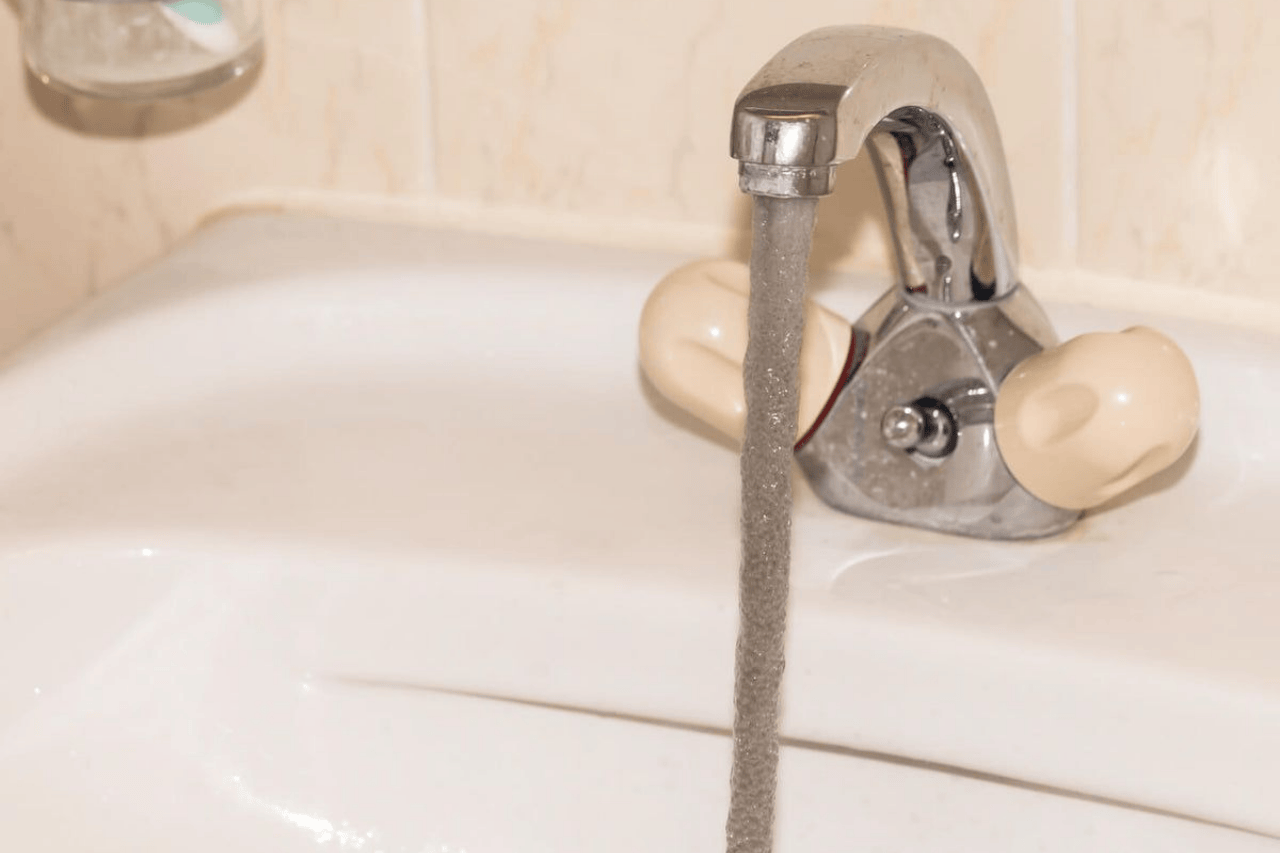
- Brownish or cloudy tap water
- Metallic or unpleasant taste
- Foul odors
- Reduced water pressure
- Inconsistent water flow
When the tank refills or water demand increases, sediments can be stirred up and enter the plumbing system. This not only affects water clarity but also erodes trust in the safety of the supply.
In commercial buildings, discolored or foul-smelling water can quickly trigger complaints from tenants and customers.
3. Bacteria, Algae, and Biofilm Growth
In warm and humid climates, unclean tanks become ideal breeding environments for microorganisms. If tank lids are poorly sealed and sunlight enters, algae growth becomes even more likely.
Skipping cleaning can lead to:
- Slippery green or black algae layers on tank walls
- Biofilm formation that protects bacterial colonies
- Rapid microbial multiplication
- Spread of contamination throughout plumbing systems
Biofilm is particularly dangerous because it shields bacteria from disinfectants, making future cleaning more difficult and costly. Once microbial growth becomes established, professional deep cleaning and system-wide disinfection may be required.
Clean & Healthy Water Starts with Professional Water Tank Service
4. Structural Damage to the Water Tank
Neglected water tanks suffer internal damage over time. Sediment buildup retains moisture and accelerates corrosion, especially in metal tanks. Concrete and fiberglass tanks are not immune either, as their protective linings can deteriorate.
Long-term neglect can result in:
- Rust formation
- Cracks in tank walls
- Leaks and seepage
- Weakening of structural integrity
- Complete tank failure
Small leaks may initially go unnoticed but can cause serious water damage to ceilings, walls, and surrounding infrastructure. Replacing a damaged tank is significantly more expensive than maintaining it properly.
Routine cleaning not only protects water quality but also extends the lifespan of the tank itself.
5. Increased Plumbing and Appliance Damage
Dirty water tanks indirectly affect the entire plumbing system. Sediments and debris travel through pipes and accumulate in fixtures and appliances.
This can cause:
- Clogged faucets and showerheads
- Blocked valves and pumps
- Reduced water pressure
- Faster wear and tear on plumbing components
- Water heater inefficiency due to mineral deposits
Water heaters are particularly vulnerable. Sediment buildup forces heaters to work harder, increasing energy consumption and shortening their lifespan. Over time, higher utility bills and frequent repairs become unavoidable.
6. Pest Infestation Risks
A frequently overlooked consequence of neglecting water tank cleaning is the increased risk of pest infestations. Tanks with damaged covers or poor sealing can attract insects, rodents, and birds.
Possible pest-related issues include:
- Mosquito breeding in stagnant water
- Rodent contamination
- Insect larvae inside stored water
- Increased bacterial contamination
Mosquito breeding is especially concerning in tropical regions, as it increases the risk of vector-borne diseases. Once pests enter the tank, contamination levels rise dramatically, requiring thorough sanitation procedures.
Proper maintenance includes ensuring secure lids, intact seals, and a clean internal environment.
7. Regulatory and Compliance Violations
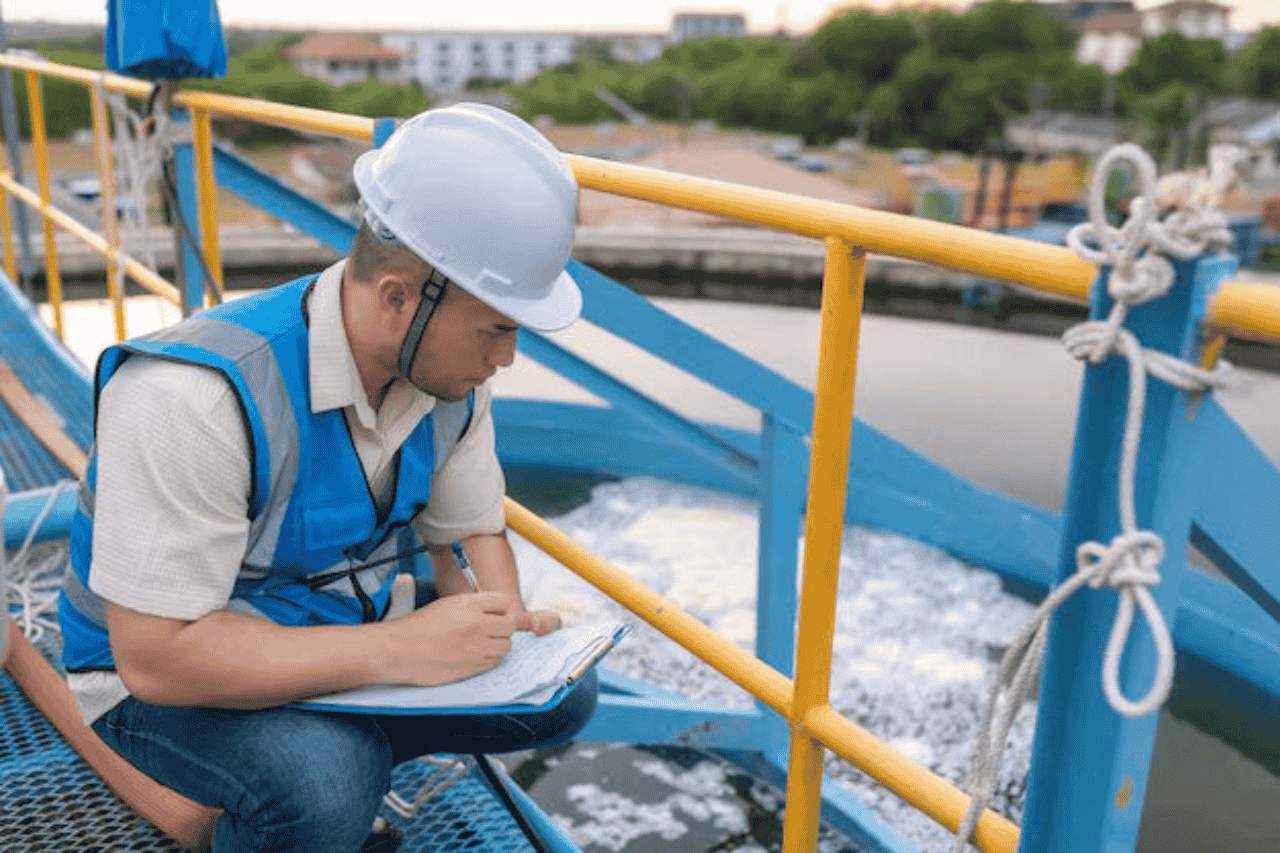
In many regions, building management regulations require routine inspection and cleaning of water storage tanks, especially in commercial, healthcare, and food-related establishments.
Failure to comply can result in:
- Government fines
- Legal penalties
- Temporary closure of premises
- Liability claims from affected individuals
- Loss of operational licenses
Business owners have a duty of care to provide safe water to employees and customers. Skipping maintenance exposes organizations to unnecessary legal and financial risk.
Maintaining cleaning records and scheduling professional servicing demonstrates compliance and accountability.
8. Financial Consequences of Neglect
At first glance, postponing water tank cleaning may seem like a cost-saving decision. In reality, it often leads to larger and unexpected expenses.
Hidden financial risks include:
- Emergency plumbing repairs
- Tank replacement costs
- Structural repair expenses
- Appliance replacement
- Water testing and disinfection services
- Medical expenses from waterborne illnesses
- Reputation damage affecting revenue
Preventive maintenance is predictable and affordable. Reactive repairs are expensive and disruptive.
In the long term, routine cleaning protects property value and reduces overall operational costs.
9. Reputation and Trust Damage
For landlords, property managers, and business owners, the quality of water supplied plays a critical role in maintaining their reputation. Tenants and customers expect clean and safe water at all times.
If water problems arise, it can lead to:
- Negative online reviews
- Tenant dissatisfaction
- Customer complaints
- Loss of business credibility
- Decreased property value
In today’s digital environment, one water contamination incident can quickly spread through social media and review platforms. Restoring trust is far more difficult than maintaining preventive cleaning schedules.
Conclusion: Prevention Is Always Better Than Cure
Skipping regular water tank cleaning may seem like a minor oversight, but the consequences can be far-reaching and costly. From bacterial contamination and algae growth to sediment buildup and structural corrosion, neglected tanks silently compromise water quality and system performance. What appears to be clear water may still carry hidden health risks, threatening the well-being of families, employees, tenants, and customers. Over time, small maintenance delays can escalate into plumbing failures, appliance damage, regulatory penalties, and even legal liabilities.
Ultimately, routine water tank cleaning is not an optional expense but a critical preventive measure. It safeguards public health, preserves infrastructure, ensures compliance with safety standards, and protects property value and reputation. Investing in scheduled maintenance today prevents far greater financial and operational disruptions tomorrow. Clean water begins with a clean storage system — and responsible maintenance ensures long-term safety, reliability, and peace of mind.